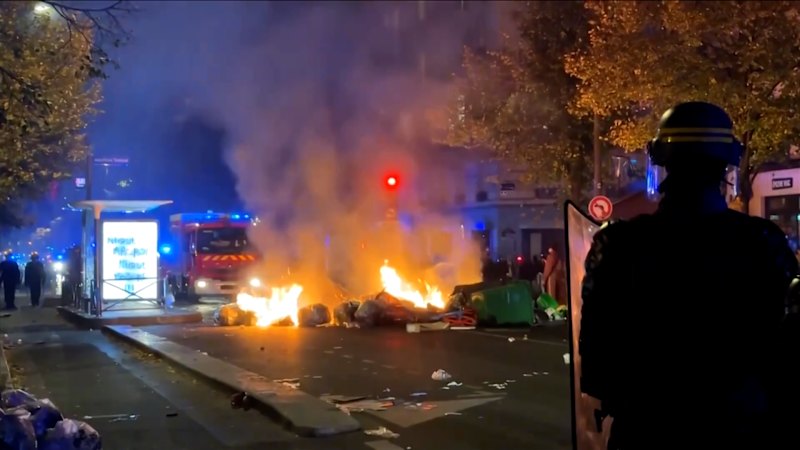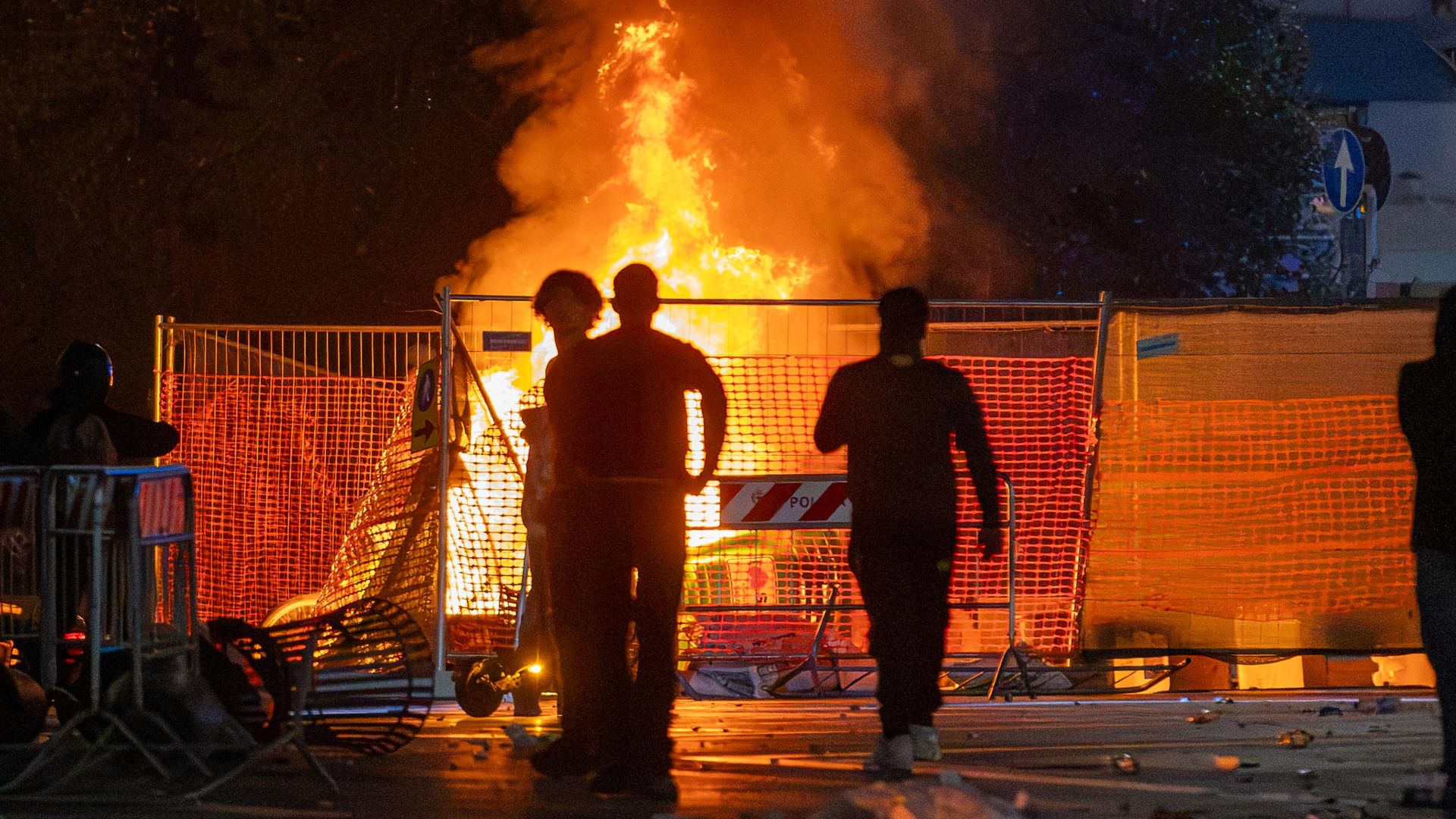
Glass shattered near Piazza Duomo. Tear gas drifted between historic facades. And by the second day of Milan protests in mid-October 2026, it was clear that anger over everyday costs had spilled well past a single neighborhood or a single afternoon.
If you only read quick wire updates, you get a neat snapshot: hooded agitators threw stones, shopkeepers pulled shutters down, water cannons roared, and Prime Minister Giorgia Meloni warned that cities aren't battlegrounds. True enough. Yet that surface recap misses why Milan turned into a pressure cooker on day two, how social feeds pulled crowds together faster than traditional union marches, and why Italy's flashpoint mirrors a broader European squeeze.
Why Milan Protests Escalated on Day Two
Day one across parts of Italy had already tested police lines. Day two in Milan felt sharper, more fragmented, and harder to contain in the dense commercial core around Piazza Duomo, Via Torino, and Piazza San Babila.
When demonstrations stretch into a second straight day, crowd dynamics shift. Peaceful marchers who show up to vent about grocery bills, rents, or strained public services often leave once tensions spike. What stays behind is a mix of stubborn demonstrators, opportunists looking at unguarded storefronts, and riot squads trying to keep major arteries open.
In Milan, that push-and-pull played out in tight streets where café tables and street debris quickly turned into makeshift barriers. Officers responded with tear gas and water cannons to clear ground, while small groups ducked into side streets and shopping corridors. Shop owners in central districts had to make split-second calls—shut early, clear display windows, or hope lines held just outside their doors.
Here's the catch with reporting on multi-day street clashes: cameras love dramatic standoffs, so the loudest five minutes in a square often overshadow what happened two blocks away. A calm stretch on one avenue can sit right next to a chaotic scuffle on another.
What Sparked the Anger Beyond the Headlines
People rarely risk tear gas over a single spreadsheet line. They hit the streets when daily math stops working.
Across Italy—and echoed in parallel unrest in neighboring countries like France, as well as smaller demonstrations in places like Belgium and Portugal—rising living costs collided with frustration over public services. When energy, fuel, or housing costs eat up more of a household paycheck, even minor irritations feel personal. Milan, as Italy's financial and fashion showcase, makes that contrast extra stark: high-end retail and tourist foot traffic right next to working commuters and students feeling squeezed.
Geopolitics added fuel, too. Analysts and outlets tracking the wider European picture have pointed out that regional conflicts and energy market jitters don't stay neatly inside foreign policy briefings. They show up at the pump and on utility bills, turning distant crises into local street grievances.
Still, let's be honest about what we don't know cleanly from early clash coverage. Crowd sizes, exact property damage tallies, and arrest numbers shift rapidly in the first 24 to 48 hours of urban unrest. Different outlets report different arrest snapshots depending on timing and jurisdiction, so treating early figures as final is a classic reporting trap.
How Street Mobilization Has Changed
You can't look at the October 2026 unrest without noticing how fast crowds gathered. Traditional organizing relies on union halls, formal permits, and predictable routes. Newer flare-ups spread through anonymous group chats, short-form video clips, and quick meet-up prompts that jump from platform to platform in hours.
That changes policing—and it changes risk for everyday bystanders. When a gathering forms organically or splits into smaller pockets, a single police line doesn't neatly "end" the event. Instead, movement scatters into side streets, leading to staggered clashes, sudden closures, and confusion for anyone just trying to get home or catch a train.
From years of watching urban protests across Europe, one pattern repeats: once looting or window-smashing starts, the political message gets drowned out by images of broken glass. Supporters of the underlying cost-of-living complaint argue over whether street disruption forces attention or alienates neighbors; critics and officials see lawlessness that threatens public safety and local livelihoods. Both sides are fighting over who owns the story.
The Political Pressure on Rome and Local Leaders
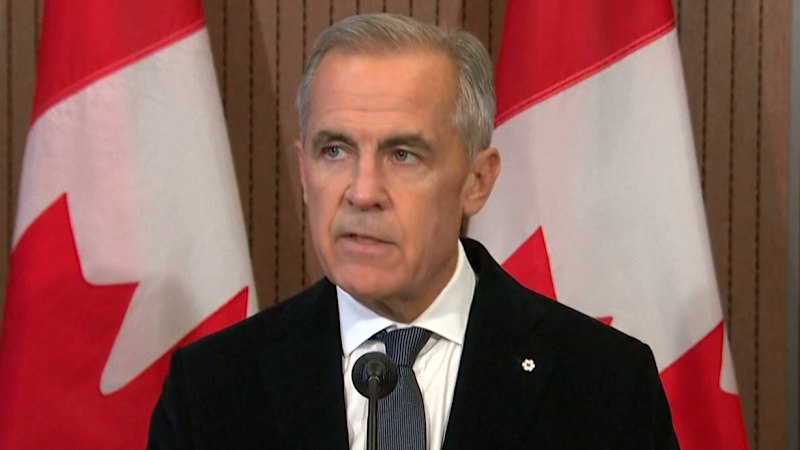
For Prime Minister Giorgia Meloni and Italian authorities, street clashes during a period of economic strain are a tricky balancing act. Come down too lightly, and critics say the state isn't protecting property or public order. Clamp down too hard with aggressive tactics, and tension can flare even hotter in already angry neighborhoods.
That tension doesn't stop at city limits. Italian leaders have to weigh domestic calm against broader European dynamics, trade ties, and upcoming political calendars—including labor mobilization and election pressures that keep every street protest under a microscope. Local mayors and police commissioners deal with the immediate logistics, while national ministers face questions about whether economic relief and service improvements are moving fast enough.
Common Misconceptions About Urban Protests
- Every person in the street came for a fight. Most large demonstrations start with ordinary residents, workers, or students carrying grievances, even when a smaller aggressive group grabs the spotlight.
- Clashes mean the entire city is shut down. Even during intense standoffs near major squares, adjacent districts often keep moving, though transit delays and early shop closures are common.
- Social media clips show the full timeline. Short videos strip out context, hours, and street geography, making a ten-second flashpoint look like an all-day siege.
Practical Steps If You Travel, Live, or Follow Closely
If you're planning a trip to Milan or another major European city during a period of heightened demonstrations, don't panic—just adjust your habits. Check local transit advisories and municipal updates before heading downtown, build buffer time into rail or airport transfers, and avoid lingering near active police cordons or tight squares where crowds can surge unexpectedly.
If you run a shop or small business in an affected area, keep an eye on local business associations and police notices, review shutter and insurance procedures ahead of time, and have a clear closing plan if tensions build nearby. And if you're following the news from afar, cross-check multiple reputable outlets like Reuters or BBC News rather than relying on a single viral clip or unverified post. Good context takes an extra two minutes—and saves you from bad assumptions.