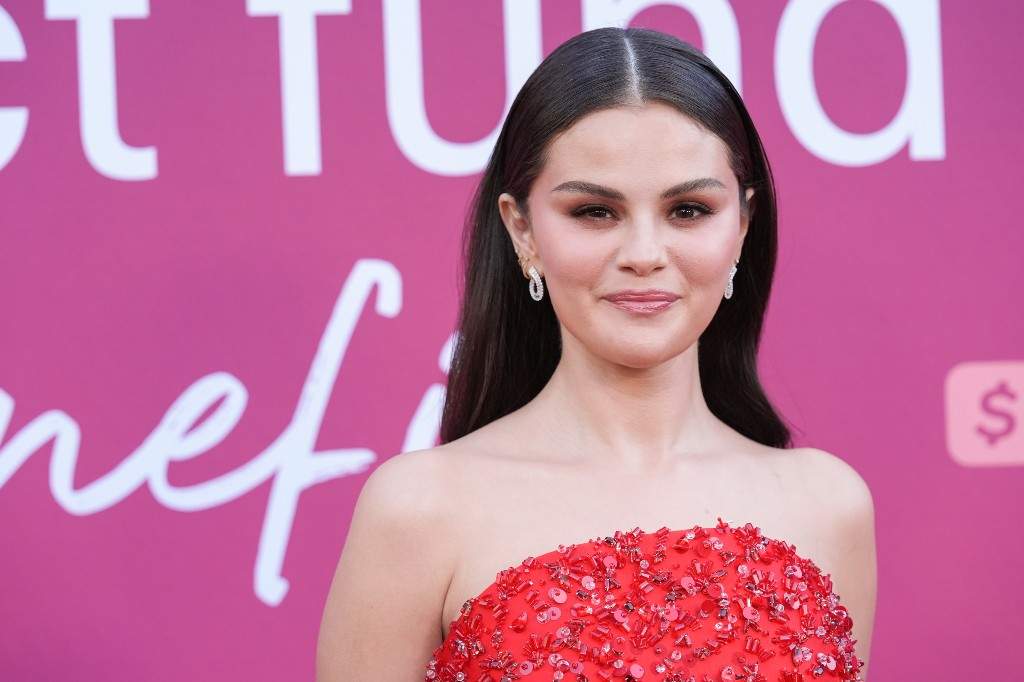
Everyone is celebrating the dismissal of the fraud lawsuit against Selena Gomez’s mental health startup, Wondermind, as a total exoneration.
They are completely missing the point.
When a high-profile civil complaint gets tossed out of court, entertainment reporters and celebrity publicists immediately spin the headline into a victory lap. The lazy consensus treats a legal dismissal as proof that the business model is sound, the governance is spotless, and the critics were just looking for a quick payday. That narrative is pure fiction. In corporate litigation, getting a fraud case dismissed at the pleading stage does not mean nothing went wrong inside the building. It simply means the plaintiff failed to clear one of the highest, most unforgiving procedural hurdles in American civil law.
If you are looking at the Wondermind dismissal and thinking the celebrity startup playbook just got validated, you are asking the wrong question entirely. The real story is not whether Selena Gomez committed actionable fraud. The real story is how the modern celebrity-founded venture ecosystem operates with structural opacity, weaponizes emotional missions to deflect financial scrutiny, and leaves everyday operators and minority stakeholders holding the bag when the hype cycle cools down.
The Anatomy of a Dismissal Is Not an Exoneration
Let’s strip away the PR spin and look at how civil procedure actually works.
In federal and state courts across the United States, alleging fraud is exponentially harder than alleging a breach of contract or garden-variety mismanagement. Under rules like Federal Rule of Civil Procedure 9(b) and its state-level equivalents, a plaintiff cannot just show up and say, "I was misled, and now I am out of money." They have to plead fraud with particularity. That means naming the exact speaker, the exact false statement, the exact date it was made, why it was false at the moment it left their mouth, and proof of scienter—the specific, conscious intent to deceive.
I have sat in boardrooms and reviewed cap tables for consumer startups where founders made wildly optimistic projections, promised equity or roles that never materialized, and burned through millions in seed capital before the product even functioned. Were those founders reckless? Yes. Were their internal operations a mess? Without question. Did their behavior meet the strict legal definition of common-law fraud? Almost never.
Courts routinely dismiss fraud claims because bad management, shifting business pivots, and broken verbal promises are considered business risks, not criminal or civil fraud. When judges toss these suits, they are enforcing a strict boundary between aggressive startup puffery and deliberate financial deception. Treating that technical boundary as a clean bill of health for a company’s operations is like saying a restaurant has five-star hygiene because the health inspector dismissed a specific accusation of arson.
The Celebrity Halo Effect and Governance Blind Spots
To understand why startups like Wondermind end up in court in the first place, you have to look at the structural flaw baked into almost every celebrity-backed venture since the late 2010s.
Traditional Silicon Valley startups raise money on proprietary technology, unit economics, and distribution advantages. Celebrity startups raise money on borrowed attention. Investors—often led by firms eager to slap a household name onto their portfolio page—pour tens of millions of dollars into an entity at an inflated valuation before the company has figured out basic operational infrastructure.
Here is how that dynamic rots a company from the inside out:
- Asymmetric Leverage: The celebrity co-founder brings 400 million social media followers. The operational executives, contractors, and early employees bring actual labor. When disputes arise over compensation, creative direction, or equity dilution, the celebrity holds all the reputational oxygen. Nobody wants to sue a beloved public figure because the blowback from their fanbase is instantaneous and merciless.
- Mission Shielding: When the startup operates in a sensitive vertical like mental health, scrutiny becomes taboo. Questioning the company’s cash burn, content monetization strategy, or executive turnover gets framed as an attack on mental health awareness itself. That emotional armor insulates leadership from the brutal operational accountability that normal startups face every single quarter.
- The Ghost-Operator Problem: Celebrity founders rarely run day-to-day operations. They sit at the top of the org chart as Chief Impact Officer or Co-Founder, showing up for press tours, fundraising pitches, and brand partnerships. Meanwhile, family members, talent managers, and revolving-door CEOs actually execute the business. When promises are made in the trenches and later broken, the celebrity has plausible deniability because they were never in the operational weeds to begin with.
"In venture capital, charisma gets you the term sheet, and attention gets you the valuation. Neither one builds an accounting department, writes clean employment contracts, or prevents operational chaos."
What Actually Happens Inside Hyper-Hyped Mental Health Startups
Mental health is not just another consumer packaged goods category. You cannot run a mental fitness platform with the same fast-and-loose playbook used to launch a tequila brand or a lip gloss line.
Over the past five years, institutional capital flooded into digital mental health and wellness media. The thesis was simple: younger demographics are openly discussing anxiety, depression, and therapy, creating a massive total addressable market for accessible, stigma-free content and tools. Wondermind launched right into the slipstream of that boom, positioning itself as a "mental fitness" ecosystem combining editorial newsletters, podcasts, and eventually physical or digital products.
The problem? Media is a brutal, low-margin business.
Publishing newsletters and producing podcasts does not generate software-style gross margins. To justify venture-scale valuations—such as the $100 million valuation Wondermind famously commanded during its Series B raise—a media-first company has to pivot aggressively into sponsorships, enterprise licensing, commerce, or paid subscriptions. Those pivots create immense internal friction. Early staffers and collaborators hired to build an authentic community suddenly find themselves answering to commercial targets, brand-safety guidelines, and shifting executive mandates.
When a startup pivots under pressure, informal agreements get trampled. Contractors who thought they were building long-term equity get squeezed out. Deliverables change overnight. Paychecks or vendor invoices get delayed while finance teams untangle restructuring plans. People get angry, and angry people hire litigators who reach for the sharpest weapon in the drawer: a fraud claim designed to force a quick, quiet settlement out of fear of bad press.
Dismantling the Myths Around Celebrity Startup Lawsuits
When news breaks that a lawsuit against a celebrity founder has been dismissed, three predictable talking points immediately flood social media. Every single one of them misunderstands how business litigation works.
Myth 1: "If the lawsuit had any merit, the judge wouldn't have dismissed it."
Judges do not weigh evidence or decide who is telling the truth on a motion to dismiss. At that stage, the court takes the plaintiff's allegations as true and asks a purely technical question: Even if everything you claim happened actually occurred, does it violate this specific statute? You can suffer real financial harm, get pushed out of a project you helped build, and still have your fraud claim thrown out because the law treats your dispute as a contract issue rather than a fraud issue.
Myth 2: "Lawsuits against celebrities are always baseless cash grabs."
Yes, nuisance suits exist. Every high-net-worth individual deals with opportunistic claims. However, the exact opposite is also true: legitimate claimants frequently settle for pennies on the dollar—or never file at all—because fighting a billionaire or an A-list pop star in court requires hundreds of thousands of dollars in upfront legal retainers. Filing a public complaint against a celebrity is a nuclear option that usually destroys the plaintiff's career in that industry. People rarely pull that pin unless something deeply dysfunctional happened behind closed doors.
Myth 3: "Dismissal means the startup is thriving."
Legal survival and commercial viability have zero correlation. A company can defeat every lawsuit filed against it and still struggle to find product-market fit, retain executive leadership, or generate sustainable free cash flow. Investors do not measure success by dismissed dockets; they measure it by customer acquisition cost, retention, and revenue growth.
The Uncomfortable Downsides of Fighting in Public
To be completely fair to Selena Gomez and Wondermind’s legal team, refusing to roll over and write a hush-money check deserves credit.
Most celebrity brands operate on a strict risk-aversion model: pay the settlement, sign a non-disclosure agreement, and keep the celebrity’s name out of legal blogs. By aggressively moving to dismiss the complaint rather than quietly paying it off, Wondermind’s camp took a short-term PR hit in exchange for setting a boundary against future litigation. That takes discipline, and from a pure defense-counsel perspective, it worked exactly as intended.
The downside, however, is permanent discoverability. Every filing, every allegation of internal disorganization, and every detail about executive turnover is now etched into public court records and search engine results forever. Even when you win on a motion to dismiss, the court of public opinion rarely reads past the initial accusation.
How Founders and Operators Should Protect Themselves
Whether you are an investor writing checks into a celebrity-led venture, an executive recruited to run one, or a vendor building their product, the lesson from the Wondermind saga is crystal clear. Stop trusting the halo. Start trusting the paperwork.
- Never rely on mission alignment as a substitute for ironclad contracts. Working in mental health, sustainability, or social impact does not make leadership more ethical or organized. Put every deliverable, kill fee, intellectual property assignment, and equity vesting schedule in writing before doing a single hour of work.
- Audit the operational bench, not the celebrity founder. Before joining or investing in a celebrity startup, look at who actually holds signing authority on the bank accounts. Check the turnover rate among mid-level directors and finance leads over the prior 18 months. If the operational team is a revolving door, run.
- Separate brand equity from corporate governance. A celebrity’s likeness is a marketing channel, not a business model. Demand clear contractual guardrails defining how much time the celebrity must dedicate to the company, what happens if their personal brand suffers a crisis, and who controls daily financial decisions.
- Stop confusing valuation with validation. A headline-grabbing Series B valuation is a reflection of investor FOMO, not operational maturity. High valuations create massive liquidation preferences that wipe out early employees and minority stakeholders if the company eventually sells for a modest sum.
Selena Gomez’s legal team won the procedural battle in court, and the headlines have already moved on to the next shiny celebrity venture. Yet the underlying mechanics that sparked the conflict remain completely untouched. Until Silicon Valley and Hollywood stop treating massive follower counts as a substitute for basic corporate governance, these lawsuits will keep happening—and dismissing them in court will never fix the rot inside the cap table.