Father Time remains undefeated, but tennis fans refuse to accept the scorecard.
When Serena Williams stepped back onto Centre Court for her highly anticipated singles return, the sports world held its collective breath. We wanted the fairy tale. We wanted the thunderous aces, the fist pumps, and the inevitable march toward another trophy. Instead, we got a grueling, error-strewn reality check. You might also find this related story interesting: How Erling Haaland Rewrote the Tactical Playbook to Save Norway from a World Cup Disaster.
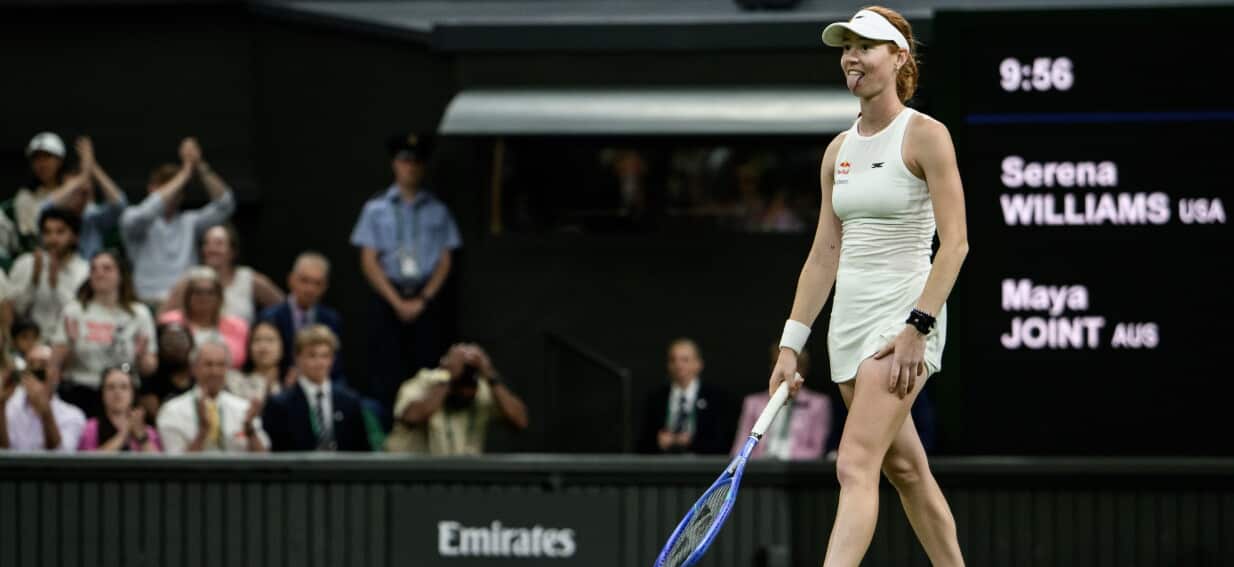
Williams bowed out in the opening round, falling 6-3, 6-7, 6-3 to 20-year-old Australian Maya Joint. At 44, playing your first professional singles match in nearly four years is an absurdly steep mountain to climb. Yet, the reaction online and in the commentary booths carried a familiar note of shock. It shouldn't have. If anything, this latest chapter shows that our expectations for aging sports icons have become completely detached from reality.
The Brutal Reality of the Grass Court
Grass is the least forgiving surface in tennis. It demands low knee bends, explosive first steps, and immediate rhythm. When you haven't played a competitive singles match since the 2022 US Open, you don't possess that rhythm. As reported in recent articles by Yahoo Sports, the implications are worth noting.
Joint, currently ranked No. 87 in the world, did exactly what a smart, young player is supposed to do. She didn't let the aura of a 23-time Grand Slam champion paralyze her. She stayed steady, absorbed the remaining power in the Williams groundstrokes, and made the icon run.
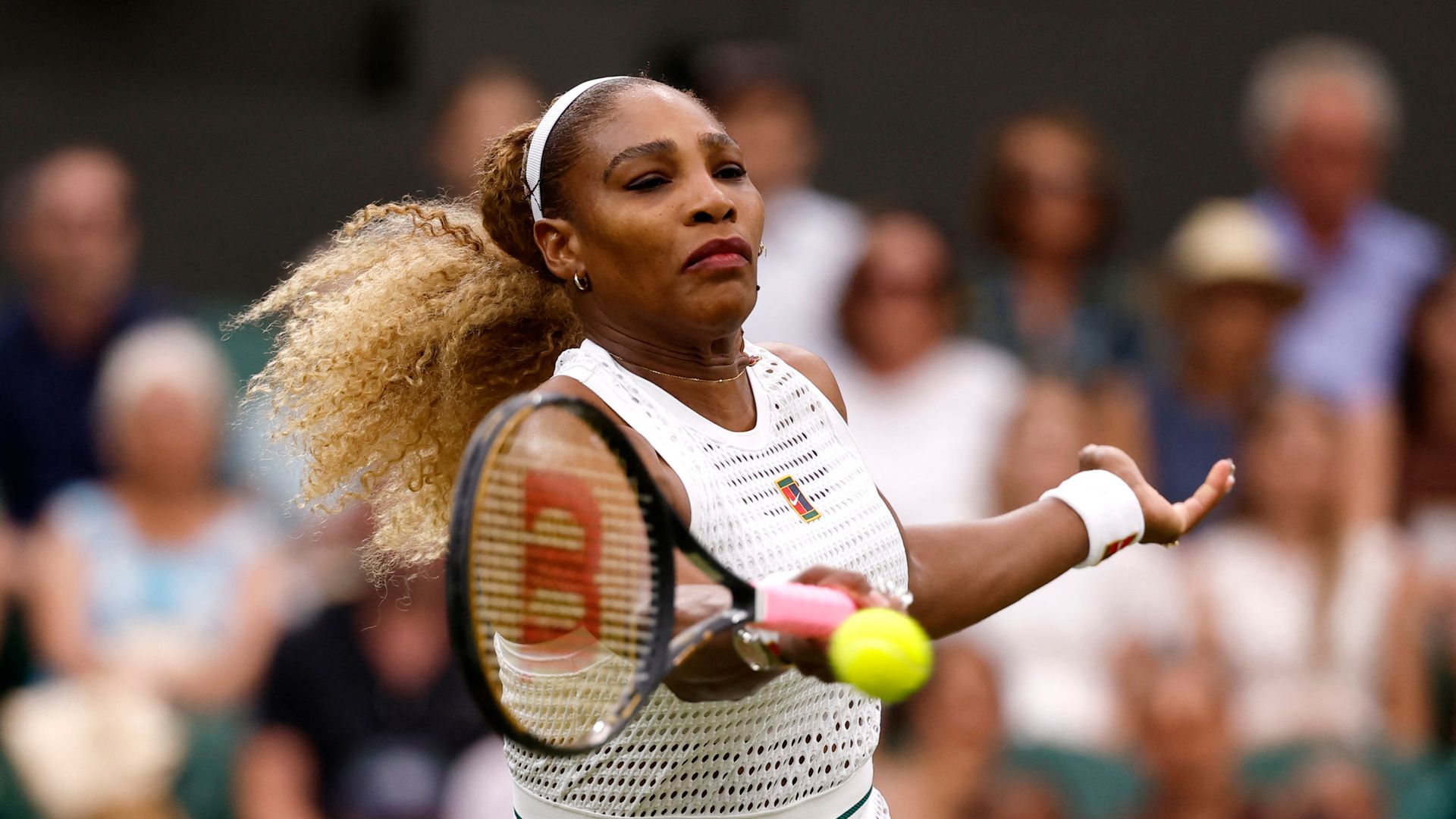
- The Power Was There: Williams still possesses a serve that can dictate terms, and her trademark drive volleys brought the Centre Court crowd to its feet.
- The Movement Was Not: In a match lasting over two hours, the lack of match fitness became glaring. Defending deep corners requires a level of conditioning that practice sessions simply cannot replicate.
Honestly, it looked incredibly similar to her 2022 Wimbledon exit against Harmony Tan. In that match, Williams fought for over three hours before losing in a final-set tiebreak. The script in 2026 followed a identical path of raw emotional willpower masking a lack of competitive sharpness. Williams managed to claw back from a break down in the second set, saving a match point in the tiebreak through sheer refusal to lose. But by the third set, the tank was empty.
The Myth of the Easy Comeback
We’ve been spoiled by modern athletes rewriting the rules of aging. Tom Brady won a Super Bowl at 43. LeBron James is still elite in his 40s. Because of these outliers, we expect a tennis legend to accept a wildcard invitation and instantly perform like it's 2015.
Tennis is different. There are no teammates to hide behind when your legs feel like lead. You can't sub out for a breather. When Joint started moving Williams side to side in the deciding set, there was no tactical adjustment that could overcome a lack of matches.
The mistake most analysts make is analyzing these performances through a purely technical lens. They talk about backhand execution or foot placement. That misses the point. This loss wasn't about mechanics. It was about the simple, undeniable fact that a 44-year-old body cannot easily recover from a high-intensity second set to finish off a hungry 20-year-old in the third.
Why This Loss Doesn't Hurt the Legacy
There is a segment of sports media that views these late-career defeats as a blemish. They argue that champions should retire at the absolute peak to preserve their mystique. That's a boring way to view sports.
Watching Williams scream, pump her fists, and fight through a dramatic second-set tiebreak with her children watching from the player's box was fantastic theater. It showed the competitive fire that made her the greatest of all time in the first place. She didn't need to accept the singles wildcard; she already had a doubles spot lined up with her sister Venus. She took the singles spot because she wanted to compete.
"I thought I should really take this opportunity. Who knows if I'll ever make it here again," Williams said before the tournament.
That doesn't sound like a player delusionally chasing past glory. It sounds like someone who loves the game and wanted one more taste of the Centre Court atmosphere. If she's at peace with the competitive rust, the rest of us should be too.
What to Expect Next
If you're looking for immediate action items from this tournament, shift your focus away from the singles draw. The real story now shifts to the doubles court, where Serena and Venus Williams will team up once again.
This is where the comeback actually makes sense. In doubles, the court coverage is cut in half, the points are shorter, and the tactical nuances favor experienced veterans.
Stop analyzing the singles loss as a tragedy. It was a predictable, hard-fought athletic contest where youth and match sharpness won out over legacy and willpower. Enjoy the doubles matches later this week for what they are: a celebration of two careers that changed the sport forever, played on the most historic grass in the world.