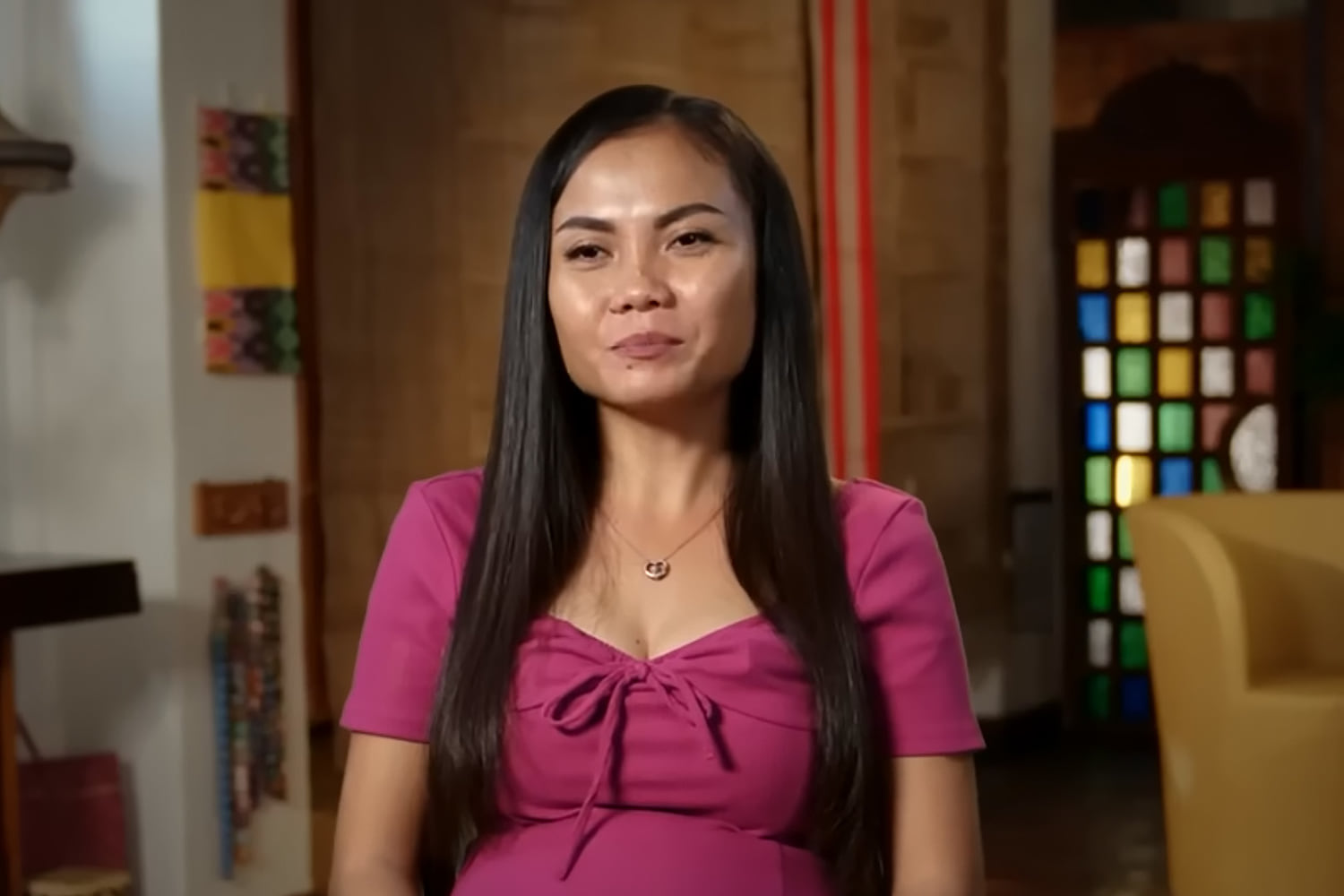
The obituary mill works fast in Hollywood. Within hours of the news breaking that 90 Day Fiancé: Before the 90 Days alum Sheila Mangubat died at 35, entertainment outlets churned out the exact same sanitized, copy-and-paste tribute. They praised her "memorable love story" with David Dangerfield. They linked to a GoFundMe page. They expressed generic shock and moved on to the next trending hashtag.
That polite, sanitized coverage is an insult to her memory and a massive cover-up for an industry that treats vulnerable human beings as disposable content.
If you look at the standard media narrative surrounding Sheila Mangubat’s passing, the lazy consensus is clear: it was simply a sudden, tragic medical event involving a beloved reality star, and fans should donate to help her grieving partner. While her death is undeniably a tragedy—and supporting her son Jhonreil and David is the right thing to do—framing this purely as a standard celebrity death misses the entire point. It ignores the glaring structural rot at the core of unscripted television, the predatory economics of international dating shows, and the gross negligence that leaves cast members destitute after generating millions of dollars in ad revenue for massive media conglomerates.
Let’s dismantle the polite fiction surrounding reality television’s favorite franchise and look at what Sheila Mangubat’s story actually reveals about the price of manufactured drama.
The Myth of the "Life-Changing" Reality TV Opportunity
Media outlets love to frame shows like 90 Day Fiancé as fairy-tale platforms that give everyday people a shot at love, fame, and financial uplift. In reality, the modern unscripted television model is built on extracting maximum emotional and physical vulnerability for pennies on the dollar.
I’ve spent over a decade watching production companies operate behind closed doors, and the playbook never changes. Casting directors don’t look for stable, well-resourced couples with strong legal and financial safety nets. They hunt for extreme asymmetry. They look for people navigating crushing poverty, severe communication barriers, trauma, and desperation—because desperation creates high-stakes television without the network having to pay union writers or scripted actors.
When Sheila Mangubat appeared on Season 6 of Before the 90 Days, audiences didn’t just watch a romance between a Filipino woman and a deaf American man. They watched extreme, raw socioeconomic hardship broadcast to millions of living rooms. Viewers saw the devastating structural collapse of her family’s home in Cebu following Typhoon Rai—a home that was literally held together by scrap wood and tarps. They watched her lose her mother, Remedios, in a tragic accident right in the middle of filming, as stairs in that dilapidated house gave way during the crew's visit.
Mainstream entertainment reporters called those episodes "heartbreaking" and "emotional." Industry insiders call them trauma porn.
Think about the economics of that moment. A multi-billion-dollar parent company—Warner Bros. Discovery—captured one of the most devastating personal tragedies a human being can endure, edited it with dramatic musical cues, inserted commercial breaks for fast food and insurance companies, and profited handsomely from the ratings spike. Meanwhile, the people living through that nightmare were left holding a GoFundMe link when the cameras stopped rolling.
Why Cast Members End Up Crowdfunding While Networks Print Money
Whenever a reality TV star dies or faces a medical crisis, a predictable question trends on search engines: Did TLC pay Sheila Mangubat for 90 Day Fiancé?
The brutal, unvarnished answer exposes the biggest scam in modern entertainment. Under standard industry contracts, foreign cast members filming outside the United States frequently receive zero direct compensation from the production company.
Let’s break down the actual mechanics of how unscripted television exploits immigration and labor laws:
- The Visa Work-Around: Production companies routinely claim they cannot legally pay foreign nationals who do not possess U.S. work authorization, even when filming takes place entirely in the cast member's home country. Instead, any meager episodic fee—often hovering around $1,000 to $1,500 per episode for the American partner—is funneled exclusively to the U.S. citizen.
- The "Exposure" Lie: Producers sell foreign participants on the idea that appearing on the show will launch lucrative Cameo accounts, brand sponsorships, and social media careers. For cast members living in developing regions without high-speed internet infrastructure, Western banking access, or management teams, monetizing fleeting television fame is virtually impossible.
- Zero Residual Rights: Unlike unionized actors protected by SAG-AFTRA, reality TV participants sign ironclad buyout agreements. Their likeness, their grief, and their most intimate moments can be re-aired, streamed on Max and Discovery+, and clipped for social media algorithms in perpetuity without a single cent flowing back to their families.
When you understand these contract mechanics, the fact that David Dangerfield had to set up a crowdfunding campaign to cover funeral expenses and support Sheila’s young son stops looking like an unfortunate coincidence. It looks like the inevitable outcome of a business model engineered to privatize profits and socialize tragedy.
The Uncomfortable Truth About "Authenticity" in Unscripted TV
Defenders of the franchise always fall back on the same tired excuse: Nobody forced them to sign up, and the show brought awareness to their struggles.
That argument falls apart the second you examine how production schedules actually impact vulnerable participants. Imagine a scenario where a production crew arrives in an impoverished neighborhood with bright lights, heavy equipment, and a strict shooting schedule. The crew needs compelling B-roll and emotional reactions before their flight leaves. Local participants, hoping the exposure might finally secure their family's future, accommodate every request—even when their living conditions are structurally unsafe.
We saw the real-world consequences of that pressure during Season 6. Sheila’s home was visibly hazardous before filming even began. Yet instead of pausing production to ensure basic structural safety for the cast and crew, the cameras kept rolling until tragedy struck. And after the cameras left, the structural vulnerability remained.
The media wants you to remember Sheila Mangubat solely for her sweet demeanor and her effort to learn American Sign Language to communicate with David. Remembering her kindness is vital, because she genuinely brought warmth and dignity to a franchise notorious for manufactured villains. But reducing her legacy to a harmless love story erases the systemic exploitation she endured.
What Entertainment Media Refuses to Ask About Cast Welfare
Look at the "People Also Ask" queries surrounding Sheila’s passing. Readers want to know her cause of death, what happened to David, and what will happen to her son. Notice what isn't being asked by major entertainment journalists: Where is the duty of care?
In the United Kingdom, following the tragic suicides of multiple reality television participants—including Love Island stars Sophie Gradon and Mike Thalassitis, as well as host Caroline Flack—regulatory body Ofcom stepped in. British broadcasters are now legally required to enforce strict duty-of-care protocols, including comprehensive psychological evaluations, financial literacy guidance, and post-filming aftercare.
In the United States, reality television remains the Wild West. Networks hide behind third-party production companies—like Sharp Entertainment, which produces 90 Day Fiancé—to shield themselves from direct liability. The network buys the finished episodes, collects the advertising revenue, and washes its hands of what happens to the human beings on screen once the season finale airs.
There is no mandatory health insurance. There is no emergency medical fund. There is no long-term financial planning assistance for participants thrust overnight from extreme poverty into global scrutiny. When a cast member falls ill or dies at 35, the network issues a three-sentence PR statement expressing "sadness" and lets fans foot the bill via crowdfunding.
The Downside of Calling Out the Machine
I’ll admit the uncomfortable catch in tearing down this industry: outrage still drives engagement. Every time a scandal or tragedy hits a major reality franchise, searches spike, back-catalog streams tick upward, and the parent company quietly profits from the renewed attention. Boycotting a single season won't bankrupt a media conglomerate that bundles reality channels into massive cable and streaming packages.
Furthermore, for people living in severe economic hardship, the slim chance at a visa, a modest payout, or fan donations still looks better than having zero options at all. Criticizing the system doesn't automatically build a better safety net for the next person desperate enough to sign a 40-page release form they can't afford a lawyer to read.
That reality doesn't excuse silence. It demands transparency.
Stop Consuming Trauma as Passive Entertainment
If viewers want to honor Sheila Mangubat, the worst thing they can do is treat her death as just another sad headline before queuing up the next season of 90 Day Fiancé.
Real accountability in unscripted television requires breaking the passive consumption loop:
- Support cast members directly, not the machine: If you want to help David Dangerfield and Sheila’s son Jhonreil, contribute directly to verified family fundraisers rather than engaging with official network tribute posts that only boost the show's social media metrics.
- Demand union protections for unscripted talent: Support ongoing efforts by organizations like the Reality TV Accountability Project and labor advocates pushing for minimum wage standards, residual pay, and basic healthcare coverage for reality participants.
- Stop rewarding poverty-porn editing: Ratings dictate commissioning budgets. When networks realize audiences are disgusted by episodes that monetize unsafe living conditions and raw grief without providing material support, producers are forced to change how they cast and shoot.
Sheila Mangubat deserved far better than the life she was dealt, and she certainly deserved better than an industry that filmed her deepest pain while leaving her family without a safety net. The next time a reality network slaps an "In Loving Memory" title card at the end of an episode, don't applaud their compassion—look at the balance sheet they're hiding behind it.