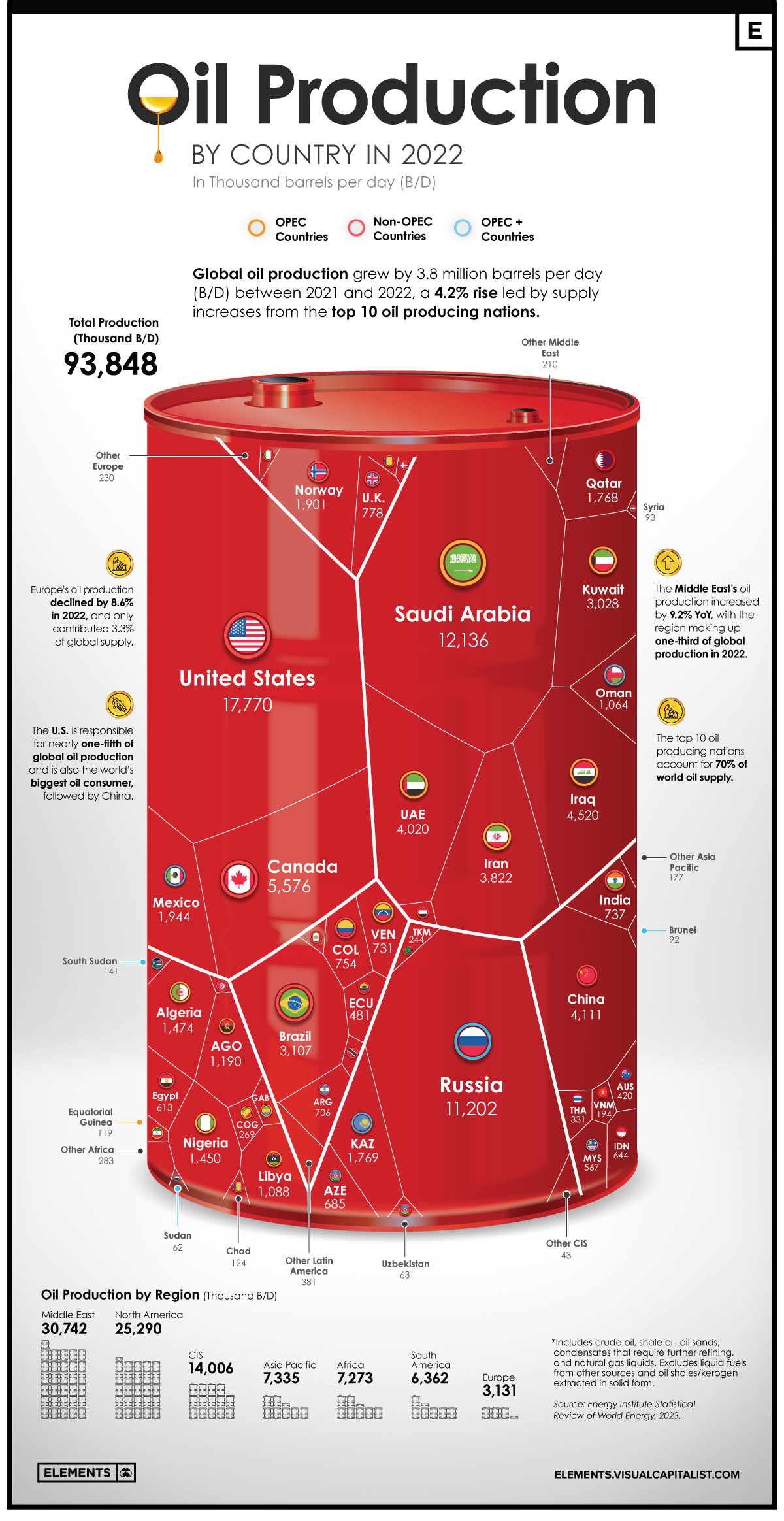
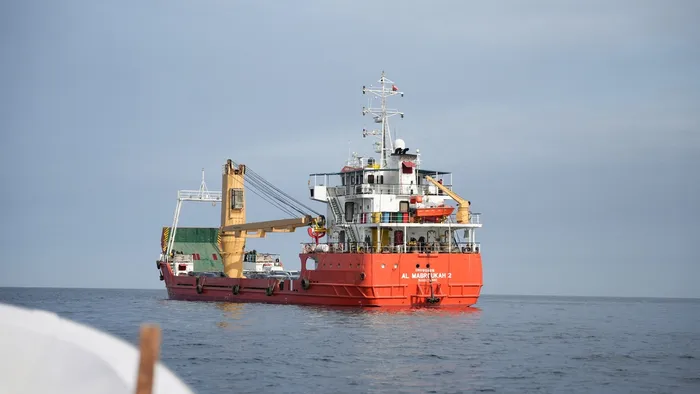
The Strait of Hormuz is a choke point that doesn't care about your quarterly profit margins. If you're running a global shipping operation, you don't just "sail through" anymore. You wait. You ask questions. You demand clarity from naval authorities and insurance underwriters who are often just as unsure as you are. Recent spikes in regional tension haven't just increased the physical risk to crews; they've broken the predictable flow of maritime commerce. Shipping firms are currently stuck in a cycle of seeking clarifications before they even think about sending a multi-million dollar vessel into these waters.
It isn't just about avoiding a missile. It's about the legal and financial fallout that happens the moment a hull is nicked or a crew is detained. When a vessel enters the Hormuz, it's entering a space where international law and regional power plays collide. Captains are being told to stay alert, but "staying alert" isn't a policy. It's a prayer. Companies are now looking for specific, actionable data on naval escorts, electronic warfare interference, and the exact rules of engagement that Western coalitions are following.
The insurance nightmare keeping ships at anchor
Insurance companies don't like uncertainty. Right now, the Strait of Hormuz is the definition of it. When a shipping firm asks for clarification, they're often talking to their "War Risk" underwriters. The premiums for crossing this stretch of water have swung wildly. You might pay a certain rate on Monday and find it's doubled by Thursday because of a drone sighting or a cryptic statement from a local government.
I’ve seen how this plays out on the operational side. A ship is ready to go. The cargo is loaded. Then, the insurance desk calls. They won't cover the transit unless the ship follows a specific, narrow corridor or waits for a naval convoy that might not arrive for another forty-eight hours. This creates a massive bottleneck. You've got tankers sitting off the coast of the UAE, burning fuel and losing time, all because the paperwork doesn't match the reality on the water. It’s a mess.
The cost of this hesitation ripples through the global economy. If you think your gas prices are high now, wait until you see the surcharge added when a fleet decides Hormuz is too hot to handle without a literal destroyer as a wingman. We aren't just talking about extra dollars; we're talking about the fundamental stability of energy supply chains.
Why naval escorts aren't the simple fix they seem
People think you just call the Navy and they show up to protect you. It doesn't work that way. Operations like IMSC (International Maritime Security Construct) or the European-led EMASOH provide a level of oversight, but they aren't personal bodyguards for every grain carrier or oil tanker. Shipping firms are asking for clarification on what "support" actually means in 2026.
If a ship is harassed by fast-attack craft, will a nearby frigate intervene? What if the interference is digital? We're seeing more reports of GPS jamming and "spoofing" where a ship’s navigation system thinks it's in Iranian territorial waters when it’s actually in the international lane. That’s a trap. If a ship gets steered into the wrong spot because its instruments lied, the legal defense becomes a nightmare.
Owners want to know if naval forces will provide active electronic counter-measures. They want to know if there's a "safe floor" for communication. Honestly, the answers they're getting are often vague. Military spokespeople use a lot of words to say very little. This leaves the shipping companies to make a choice: take the risk or take the long way around. Taking the long way around Africa adds weeks and millions in costs. Most can't afford that.
The crew is the most overlooked factor
We talk about ships and cargo like they're chess pieces. They aren't. They're manned by people who didn't sign up to be in a combat zone. Shipping firms are facing massive pressure from labor unions and seafarer organizations. If a company can't guarantee a "reasonable" level of safety, the crew has every right to refuse the transit.
Clarification here means transparency about the threat level. Owners are being forced to be more honest with their staff. You can't just tell a crew "it’s fine" when they can see the news. Companies are now implementing "danger pay" and enhanced communication protocols so sailors can talk to their families more frequently during the transit. It’s a psychological game as much as a logistical one.
The industry is also grappling with the reality of "dark fleets." These are vessels operating outside normal regulations, often with switched-off transponders. They make the Strait even more dangerous because they're unpredictable. A legitimate shipping firm needs to know how to distinguish a threat from a rogue trader just trying to bypass sanctions.
Practical steps for navigating the uncertainty
If you're managing these transits, stop waiting for a perfect answer that isn't coming. The "clarification" you get today will be obsolete by tomorrow. You have to build a more flexible operational model.
- Ditch the static routes. Use real-time intelligence feeds that monitor signal interference, not just physical ship movements. If the GPS starts drifting by even a few meters, have a manual backup ready and verified.
- Hardball your underwriters. Don't just accept the War Risk quote. Demand to see the specific threat assessment they're using. Often, they're lagging behind the actual intelligence available to private security firms.
- Invest in private security. It's expensive and legally complex, but having an embarked security team can be the difference between a boarding attempt succeeding or failing. Just make sure you understand the legal jurisdiction of the flag your ship is flying.
- Audit your tech. If your bridge systems are more than five years old, they're sitting ducks for modern spoofing. You need systems that can cross-reference multiple satellite constellations (GNSS) to spot anomalies quickly.
Stop thinking of the Strait of Hormuz as a standard passage. It’s a high-stakes negotiation. Every time a ship enters that water, the owner is betting the ship, the cargo, and the lives of the crew against a geopolitical landscape that changes hourly. If you don't have the stomach for that kind of gambling, stay out of the game. The firms that win are the ones that stop asking for "permission" and start mastering the data.