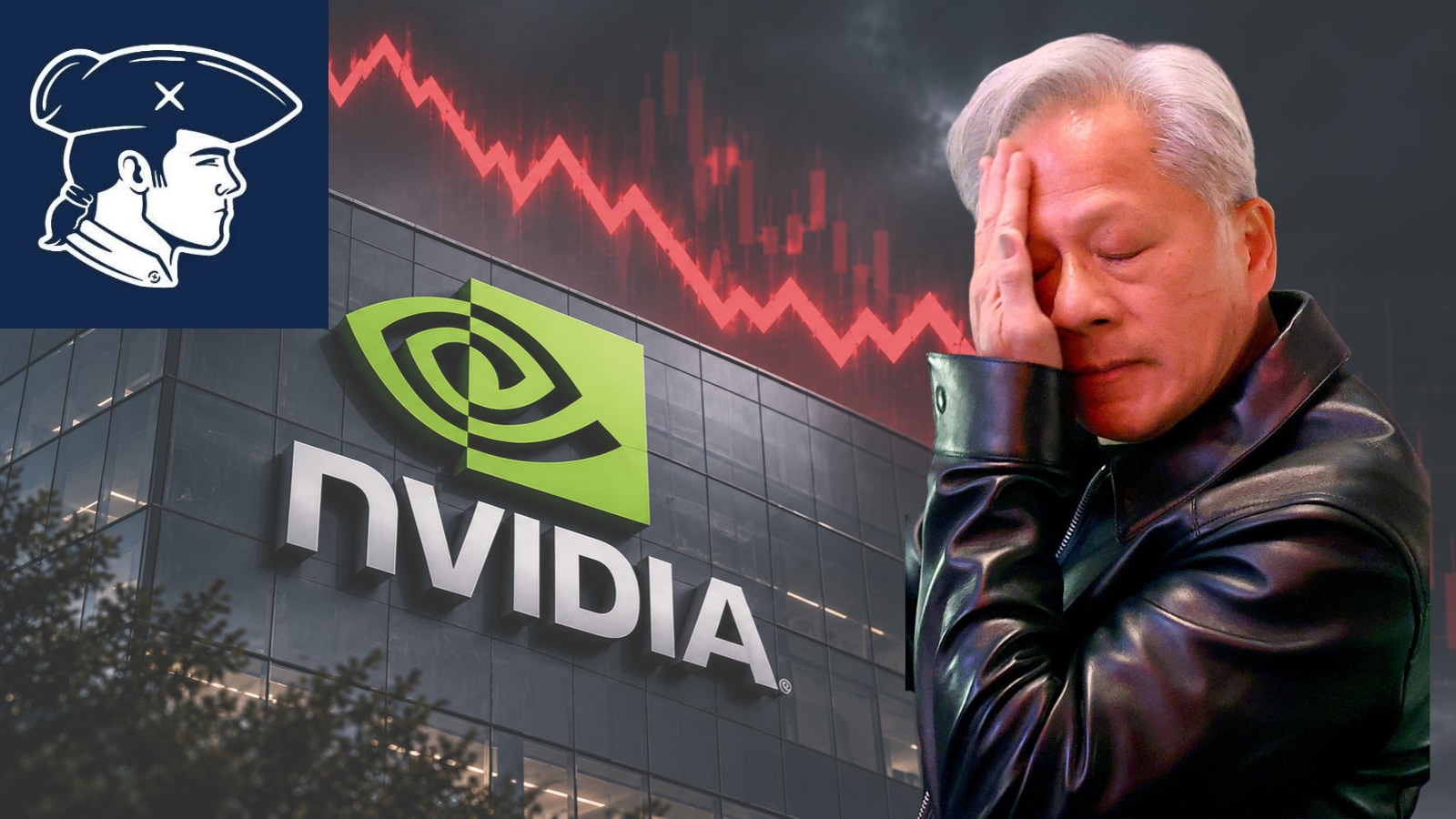
Wall Street loves a clean narrative until a short seller drops a hundred-page PDF on a Tuesday morning. That's basically what happened when Culper Research flagged Nvidia CEO Jensen Huang's alleged Chinese spy connection months before mainstream headlines caught fire. Most retail investors ignored the warning at first. They saw Nvidia's stock chart going vertical and assumed any bear case was just noise from funds trying to cover bad bets.
Turns out, the paper trail was sitting in plain sight the whole time. In related news, read about: What Most Investors Get Wrong About the Bank of Japan Rate Hike Debate.
When you look at how activist short sellers operate, they rarely invent stories out of thin air—especially when targeting a trillion-dollar juggernaut like Nvidia. The legal blowback would bankrupt them overnight. Instead, firms like Culper Research dig through public corporate registries, university alumni records, and defense contractor databases that institutional analysts are too busy to read.
Why Culper Research Targeted Nvidia's Leadership Network
Short sellers don't pick fights with the most popular stock on the planet unless they think they've found a structural vulnerability. In Nvidia's case, the vulnerability wasn't the engineering behind the H100 or Blackwell chips. Everybody knows the hardware dominates the market. The real risk was geopolitical exposure and executive associations that could trigger federal export probes. Investopedia has analyzed this fascinating issue in extensive detail.
Culper's report focused heavily on the overlapping circles between Nvidia's upper management, venture capital arms, and individuals tied to state-backed Chinese research institutions. If you've spent any time tracking semiconductor supply chains, you know that Washington treats dual-use AI hardware like nuclear material. Any hint that key figures in Santa Clara maintained backchannels or historical ties to compromised networks was bound to set off alarms at the Department of Commerce.
Here's what made the initial report so unsettling for institutional compliance teams:
- Shared board seats and early-stage investments that blurred the line between Silicon Valley venture funding and foreign talent recruitment programs.
- Publicly documented appearances at state-sponsored technology forums that mainstream financial press brushed off as routine corporate diplomacy.
- Corporate entity overlaps involving shell companies and research partnerships that operated under minimal U.S. regulatory scrutiny during the initial AI boom.
The market shrugged when the report first dropped. Nvidia's earnings were beating estimates by billions, and nobody wanted to ruin the party. Six months later, when broader scrutiny hit the press, the exact footnotes from that early short report suddenly became the foundation for every major investigative piece on the subject.
How Mainstream Financial Media Missed the Early Warning
If you rely on cable business news for your due diligence, you're always six months behind the actual risk. Financial networks are built to cover quarterly earnings beats, price target upgrades, and product keynotes. They aren't staffed to translate Mandarin corporate filings or cross-reference obscure engineering fellowships from two decades ago.
I've watched this exact cycle play out dozens of times across tech and biotech. A niche short-selling firm publishes an exhaustive, dense report detailing governance red flags or undisclosed relationships. Wall Street analysts immediately dismiss it as "rehashed news" or "immaterial to near-term revenue." Then, half a year later, a major newspaper or congressional committee picks up the exact same thread, and suddenly the stock drops ten percent in an afternoon.
The disconnect comes down to incentives. Sell-side analysts at major investment banks need access to Nvidia's management team. You don't keep your invitation to the executive Q&A session if you're publishing notes questioning the CEO's past associations or national security vetting. Independent short sellers don't care about management access. Their entire business model depends on finding what the consensus is actively ignoring.
The Problem With "Too Big to Scrutinize" Stocks
When a company becomes the primary engine of the S&P 500, institutional groupthink takes over. Portfolio managers who underweight a massive winner risk losing their jobs every single quarter. Because of that career risk, fund managers actively look for reasons to dismiss negative research.
Culper Research ran straight into that wall. Even with documented names, dates, and corporate registration numbers, the prevailing market attitude was simple—nothing could stop the AI infrastructure buildout. Investors confused product dominance with regulatory immunity.
Separating Real Geopolitical Risk From Short-Seller Hype
Let's be fair here. Short sellers aren't neutral journalists. They make money when stock prices go down, which means they frame every ambiguous connection in the most alarming light possible. Reading a short report requires a heavy filter. You have to separate proven documentary facts from the speculative leaps the authors make to connect those dots.
In the context of Jensen Huang and Nvidia's alleged Chinese ties, there's a massive difference between historical industry overlap and active espionage.
For decades, the semiconductor industry operated as a deeply integrated global ecosystem. Engineers moved freely between Taipei, Silicon Valley, Shenzhen, and Shanghai. Universities collaborated openly on chip architecture, and venture funds co-invested across borders without anyone in Washington batting an eye. Judging 2012 corporate relationships by 2026 national security standards will make almost every veteran tech executive look suspect.
What changed isn't necessarily the behavior of the executives. The rules of the game shifted underneath them. Export controls tightened, the Bureau of Industry and Security expanded its entity lists, and associations that used to be standard business practice became massive political liabilities.
What Actually Matters for Regulators
When federal agencies look at a company like Nvidia, they aren't reading Twitter threads or sensationalized blog posts. They care about specific, actionable violations:
- Diversion of restricted hardware through third-party shell companies in Southeast Asia or the Middle East.
- Undisclosed technology transfers involving proprietary CUDA software architectures or chip design methodologies.
- Failure to disclose material risks in SEC filings regarding how deeply the company's supply chain or leadership network relies on restricted entities.
If Culper's research points regulators toward verifiable compliance gaps in those three areas, the fallout isn't just a temporary PR headache. It turns into subpoenas, delayed export licenses, and forced divestitures.
Why Executive Associations Are Now a Primary Valuation Metric
Ten years ago, if you were valuing a semiconductor company, you looked at gross margins, wafer supply agreements, and R&D spend as a percentage of revenue. Nobody was running background checks on who spoke at an alumni banquet in Beijing or which venture fund co-invested in a startup a decade prior.
Today, geopolitical alignment is a core valuation driver. A single regulatory investigation can freeze billions of dollars in high-margin data center orders overnight. When Culper Research highlighted those early connections surrounding Nvidia's leadership, they weren't just chasing a sensational headline. They were pricing in a tail risk that standard discounted cash flow models completely miss.
Think about how exposed modern tech giants are to this dynamic. Their supply chains span Taiwan, South Korea, and mainland China, while their largest customers are American hyperscalers and defense contractors. Walking that tightrope requires spotless governance. Any ambiguity around executive loyalties or historical ties gives ammunition to politicians looking for a high-profile target.
How to Audit Short Reports Without Getting Burned
If you're managing your own portfolio, ignoring short reports entirely is a mistake, but panicking and dumping shares every time a PDF drops is just as bad. You need a repeatable way to test whether a report has real teeth or if it's just a temporary shakeout.
Start by ignoring the dramatic prose in the executive summary and go straight to the primary source exhibits. Look for official government filings, court records, and corporate registry screenshots. If a report relies mostly on anonymous "former employees" or vague guilt-by-association charts, the risk usually fades within a few trading sessions.
Next, check the regulatory timeline. Does the alleged conduct violate current export laws or SEC disclosure rules, or is it just embarrassing optics? Optics don't trigger Department of Justice investigations. Documented compliance failures do.
Watch how the company responds over the following two weeks. Companies with nothing to hide usually issue a sharp, specific rebuttal addressing the exact factual claims. When a massive corporation responds with generic boilerplate about "upholding the highest ethical standards" without refuting a single footnote, pay very close attention. That silence is usually your signal to trim your exposure before the mainstream press catches up six months later.