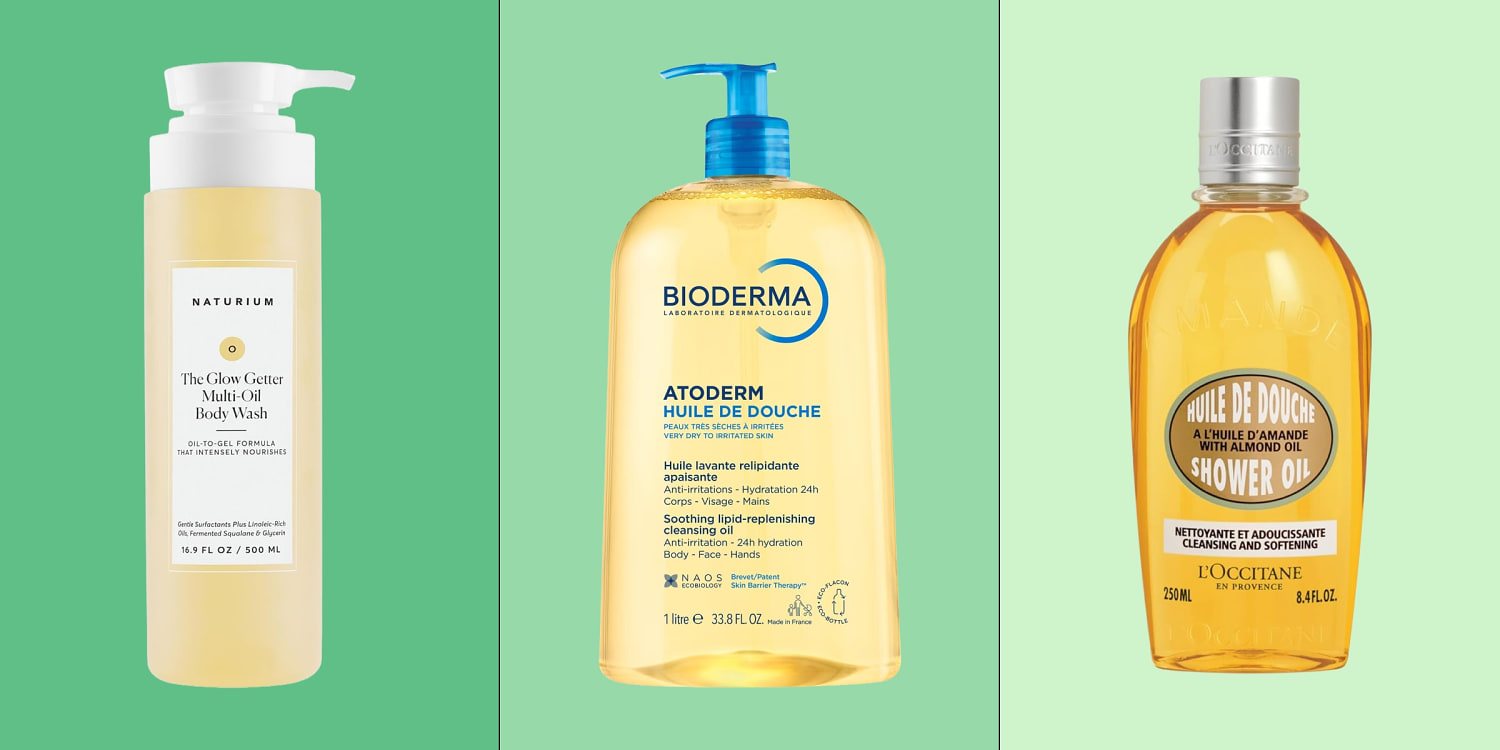
Every beauty editor in the digital ecosystem wants you to believe that turning your morning routine into an artisanal oil slick is the ultimate solution to parched winter skin. They write glowing love letters to shower oils, framing them as miracle hydration delivery systems that lock in moisture while you wash. It is a comforting narrative. It sells expensive bottles of emulsified soybean oil wrapped in minimalist glass, and it is fundamentally wrong.
I spent the last decade watching cosmetic chemists formulate products designed to wash down the drain. Let us look at the basic physics of bathing. You step into hot water, lather up, and coat yourself in a lipid-rich wash. What happens next? The surfactants in that formula are engineered to bind to oil and rinse away with water. If the product stays on your skin, you are walking around with an unrinsed residue of dirty surfactants and rancid vegetable oils. If it rinses off clean, congratulations, you just paid forty dollars for an expensive bath bomb that left your lipid barrier entirely unassisted.
The lazy consensus in modern skincare says that more oil equals more hydration. This is a cognitive trap. Hydration is water content inside the stratum corneum. Oil is an occlusive seal. If your skin is already dehydrated from aggressive cleansers, sealing it with a rinse-off oil does nothing except trap dryness beneath a temporary film.
The Chemistry They Are Hiding From You
Let us define terms properly because the beauty industry relies on your confusion. A surfactant lowers surface tension between water and oil. When you buy a commercial shower oil, the bottle is primarily composed of water, cheap carrier oils like mineral oil or sweet almond oil, and emulsifiers that allow oil and water to coexist in a transparent bottle.
The moment that mixture hits your wet skin under a running showerhead, the emulsifiers activate. They grab the dirt, the sebum, and yes, the beneficial lipids in the oil, and emulsify them so they can be washed away. Chemists call this rinse-off efficiency. Marketing teams call it nourishing hydration. Both cannot be true at the same time. If the oil actually stays on your skin after rinsing, your skin is dirty. If it rinses off completely, your skin barrier received zero long-term lipid replenishment.
Imagine a scenario where you coat your hands in cooking oil, rinse them under cold water for ten seconds, and expect them to be moisturized. They are not. They are just slippery. That is precisely what your favorite luxury shower oil is doing to your epidermis.
Dr. Albert Kligman, the legendary dermatologist who co-invented Retin-A, spent decades pointing out a simple physiological truth: the skin barrier is a brick-and-mortar structure composed of ceramides, cholesterol, and free fatty acids. It is not maintained by splashing botanical oils onto wet skin for thirty seconds and rinsing them down the drain. Real barrier repair requires targeted humectants to pull water into the skin and stable ceramides to patch the mortar. A surfactant-heavy wash running down your legs offers neither.
Why People Also Ask the Wrong Questions
If you type dry skin care into any search engine, the digital oracle spits out a predictable set of queries. Let us dismantle them one by one.
Does shower oil replace body lotion?
No. Anyone telling you it does is selling you convenience at the expense of your skin health. A rinse-off product cannot provide substantive moisturization. It is a sensory luxury, not a therapeutic treatment. If you skip post-shower lotion because your wash claims to be moisturizing, you are starving your stratum corneum of humectants.
Is hot water drying out my skin?
Yes, but not for the reason you think. Hot water does not just strip natural oils; it increases micro-circulation and dilates blood vessels, accelerating transepidermal water loss. Adding a scented shower oil to a scalding hot shower is like putting a band-aid on a broken leg while someone continues to swing a hammer at it.
Should I use soap every day?
The traditional advice is a resounding yes. The contrarian truth is that ninety percent of your body does not need surfactant-based cleansing daily. Unless you are running marathons or working in a coal mine, your limbs need warm water and mechanical friction, not chemical stripping. Save the cleansers for the areas that actually harbor apocrine sweat glands.
The Unvarnished Truth About My Own Routine
I have made every mistake in the book. Years ago, I bought into the botanical oil hype. I bought the expensive French apothecary washes. I stood in steam-filled bathrooms letting emulsified botanical oils coat my skin, convinced I was reversing the ravages of winter.
My skin remained dry, flaky, and reactive. Why? Because the fragrances and essential oils packed into those luxury formulas were quietly sensitizing my barrier while the surfactants did their dirty work.
When I stripped out the shower oils, lowered my water temperature, and started applying a plain, ceramide-rich lotion to damp skin within sixty seconds of stepping out of the shower, the flaking vanished within a week. No luxury marketing required. Just basic dermatology.
I will admit the downside of my approach: it is boring. Slathering on a fragrance-free cream from a pump bottle lacks the sensory romance of a golden oil swirling down a porcelain drain. There is no mindfulness ritual, no spa-like aroma of eucalyptus and almond, no aesthetic bottle to photograph for social media. It is just clinical efficacy.
Stop Cleansing Your Way Into Dryness
The beauty industry wants you to buy products to fix problems caused by other products they sold you. They sell you aggressive foaming body washes that wreck your barrier, and then upsell you a shower oil to fix the dryness. It is a brilliant, vicious cycle.
Break the loop.
Stop looking to your cleanser for skincare benefits. A cleanser has one job: to remove genuine grime without destroying your acid mantle. Everything else is marketing fiction designed to inflate price-per-ounce ratios.
Turn down the dial on the water heater. Toss the scented shower oils into the recycling bin. Apply a boring, unsexy, barrier-repair cream to damp skin while the bathroom is still steamy.
Your skin does not need a secret weapon. It needs you to stop sabotaging it.