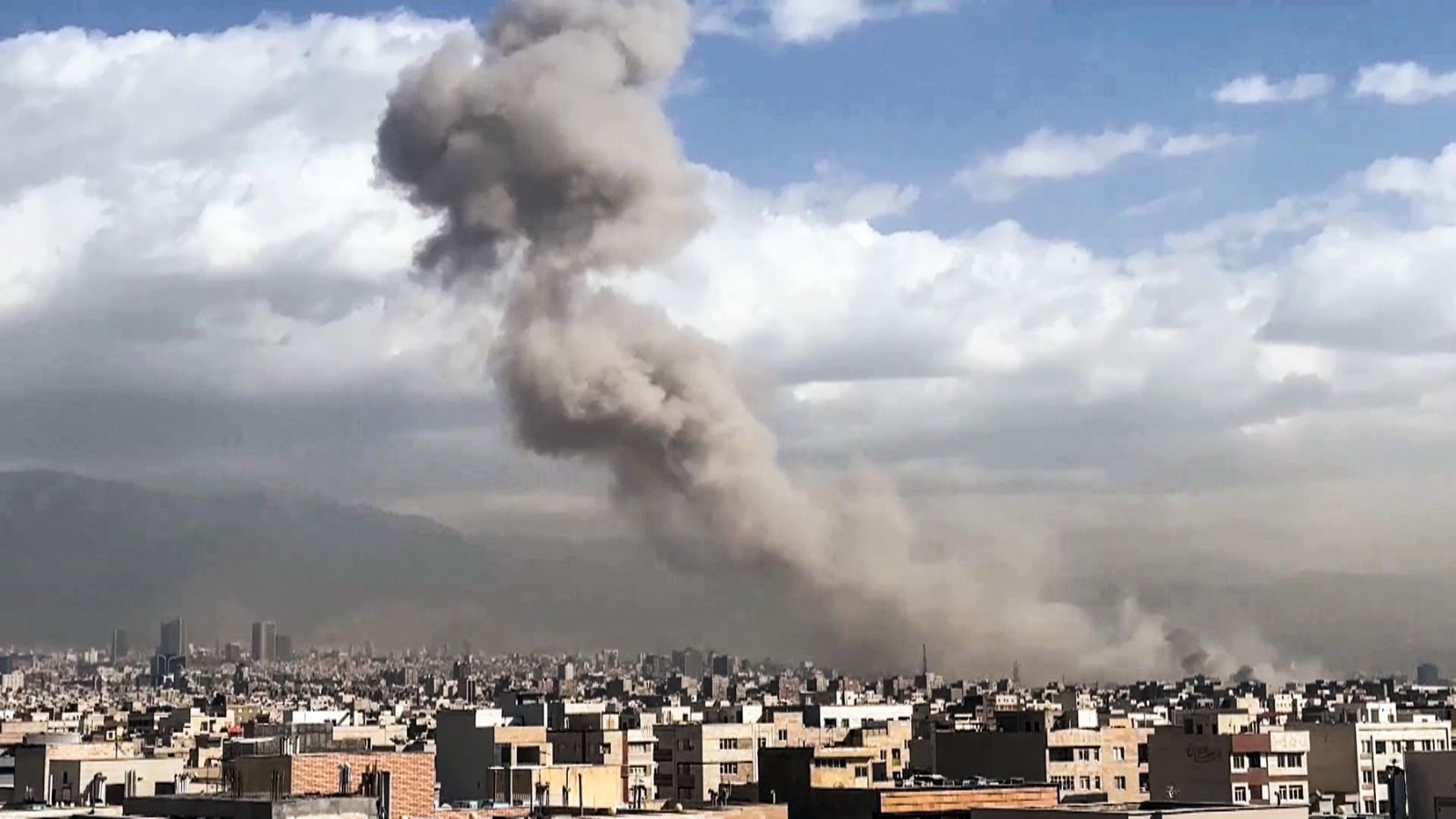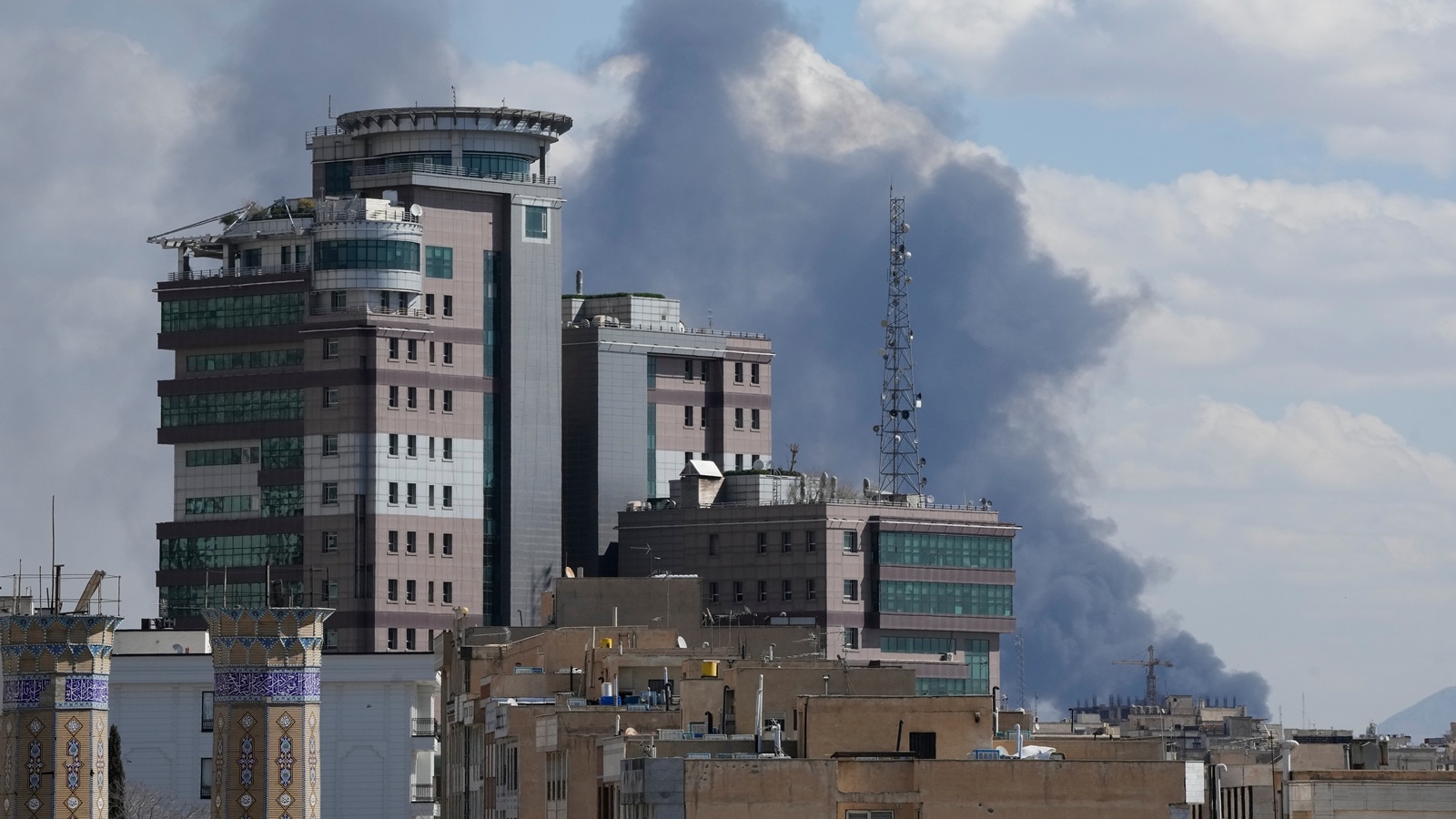
The drone strikes on the Port of Duqm and the subsequent hit on a commercial oil tanker off the Omani coast represent a calculated dismantling of the "safe corridor" narrative. For years, regional security experts and shipping magnates viewed Oman’s coastline as the stable alternative to the volatile Persian Gulf and the Red Sea. That illusion died this week. The precision of the strikes suggests a level of sophistication that bypasses standard electronic countermeasures, signaling that the maritime shadow war has moved beyond the choke points of Hormuz and Bab el-Mandeb into the open water of the Arabian Sea.
This is not merely another chapter in regional friction. It is a structural shift in how energy transit is taxed by non-state actors and their patrons. By targeting Duqm, an infrastructure project worth billions and the cornerstone of Oman’s "Vision 2040" economic diversification, the aggressors are hitting the purse strings of the most neutral mediator in the Middle East.
The Duqm Vulnerability
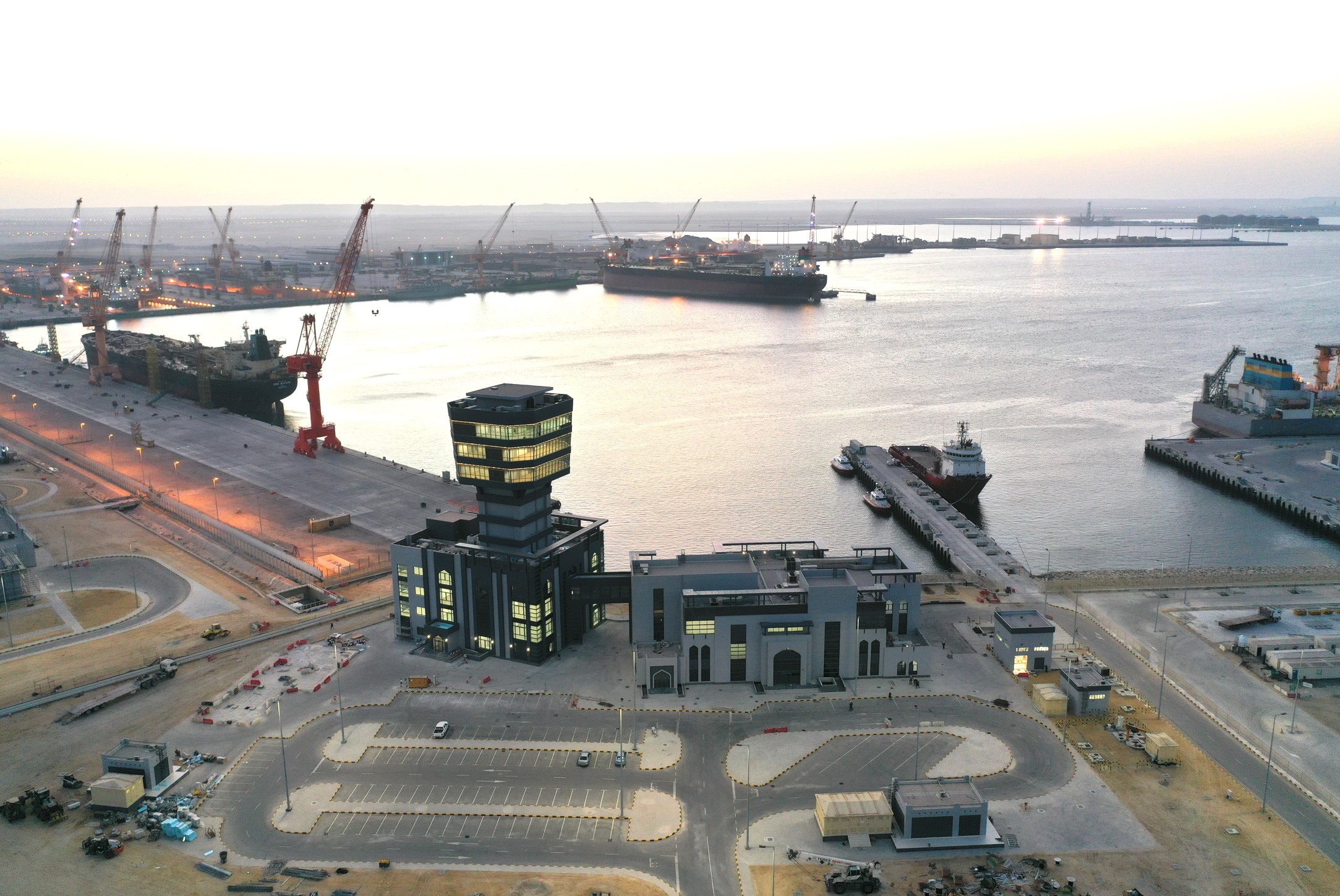
Duqm was built to be the ultimate bypass. The logic was simple: if the Strait of Hormuz is closed, Oman’s Indian Ocean ports keep the oil flowing. However, the recent drone incursions proved that distance from the Iranian coast provides no immunity against modern loitering munitions.
The drones used in these attacks aren't the hobbyist models found in retail stores. We are looking at fixed-wing, long-range platforms equipped with GPS-independent navigation systems. They likely utilized "waypoint masking," hugging the rugged coastline to avoid radar detection until the final terminal phase of the attack.
When the tanker was struck shortly after leaving the port vicinity, it wasn't a random act of piracy. It was a demonstration of "active denial." The goal is to drive maritime insurance premiums so high that the Duqm route becomes economically unviable compared to other global hubs. This isn't just about blowing things up; it is about the weaponization of risk.
The Insurance Death Spiral
Shipping is a game of margins. When a vessel is hit, the immediate damage to the hull is often the least of the owner's worries. The real hit comes from the Lloyd's of London "War Risk" premiums.
- Pre-strike: Ships operating in the Arabian Sea paid standard rates with minimal surcharges.
- Post-strike: The area is now being flagged as a high-risk zone, potentially adding six figures to the cost of a single transit.
- The Ripple Effect: These costs are never absorbed by the shipping lines. They are passed to the refineries, then to the gas pumps, and finally to the consumer.
If the Duqm corridor loses its reputation for safety, the massive investments in dry docks and refineries in central Oman will sit idle. The geopolitical leverage Oman holds as a "neutral ground" for Western and Eastern interests depends entirely on its ability to guarantee the physical security of the cargo passing through its waters. That guarantee just evaporated.
Silicon and Shrapnel
We have entered the era of the "unmanned blockade." In previous decades, closing a shipping lane required a navy—destroyers, submarines, and minesweepers. Today, a mid-tier power can achieve similar results with a handful of $20,000 drones and a sophisticated intelligence-gathering network.
The tanker hit off the coast was moving at cruising speed. To intercept a moving target in the open ocean with a slow-moving drone requires real-time data. This implies a network of "scout" vessels—perhaps disguised as fishing dhows—providing the final targeting coordinates via satellite link.
The defense industry has been slow to adapt. Traditional kinetic defenses like the Phalanx CIWS (Close-In Weapon System) are designed to intercept high-speed anti-ship missiles. They struggle with small, low-RCS (Radar Cross Section) drones that mimic the flight patterns of large birds. Jamming is also becoming less effective as drones move toward optical recognition and inertial navigation, which don't rely on external signals that can be blocked.
The Geopolitical Chessboard
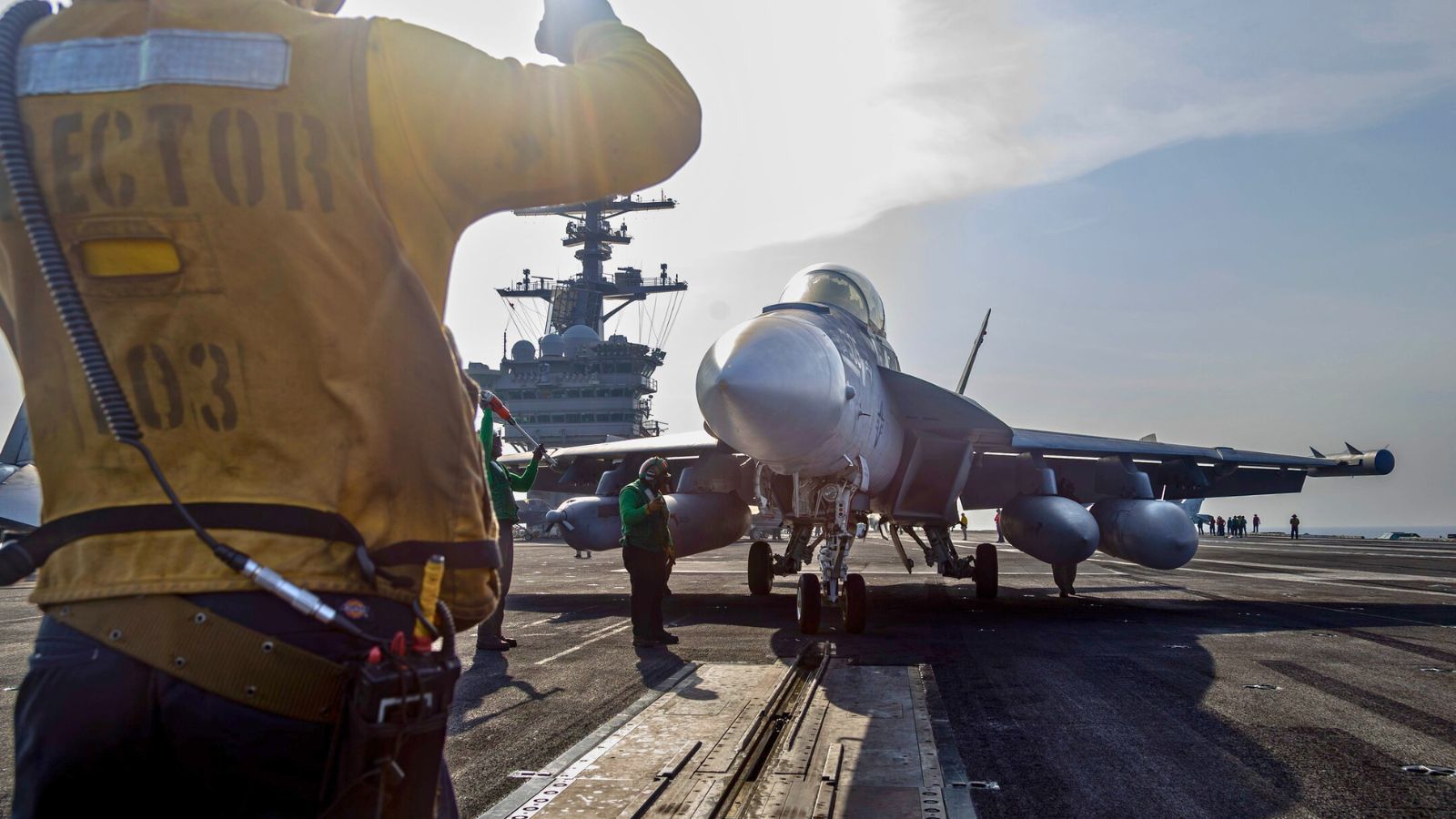
Oman finds itself in a precarious position. Unlike its neighbors, Muscat has maintained a delicate balance, hosting US military facilities while keeping a direct line open to Tehran. This attack is a message that "neutrality" has a shelf life.
By hitting Duqm, the perpetrators are forcing Oman to choose a side. If Oman increases its military cooperation with the West to secure its ports, it risks further ire from regional proxies. If it doesn't, its economic future withers. The timing is particularly cynical, occurring as global energy markets are already strained by shifts in European supply chains.
The "why" behind the target is clear. Duqm is the jewel of the Omani industrial crown. It is the site of a massive joint-venture refinery with Kuwait and a planned green hydrogen hub. To hit Duqm is to hit the very concept of a post-oil Omani economy.
Technical Failure of Maritime Security
Standard security protocols for commercial tankers involve "Hardening" measures—razor wire, water cannons, and occasionally armed guards. None of these measures matter against an aerial threat.
The tanker's crew likely never saw the drone. Modern loitering munitions can loiter at high altitudes, silent and invisible, until they receive a "strike" command. The impact point is usually the bridge or the engine room—the two places most likely to disable a vessel without necessarily sinking it. The intent is to create a "lame duck" in the water, creating a PR nightmare and a salvage headache that clogs the shipping lane.
The Myth of the Safe Port
For years, the industry talked about Duqm as the "Hormuz Bypass." This week proved there is no such thing as a bypass in the age of asymmetrical warfare. If a drone can fly 500 miles, it can hit a ship anywhere in the Gulf of Oman, the Arabian Sea, or the northern Indian Ocean.
We are seeing the birth of a permanent state of low-level maritime insurgency. This isn't a war that will be won with a single decisive naval battle. It is a war of attrition, played out in the balance sheets of insurance companies and the software code of autonomous flight controllers.
The shipping industry needs to stop looking at these strikes as isolated incidents. They are tests. They are tests of response times, tests of hull integrity, and tests of the international community's resolve to keep the sea lanes open. So far, the international community is failing the test.
Hardware is Not the Answer
Pouring more destroyers into the region is a temporary fix. You cannot protect every single tanker with a billion-dollar warship. The math doesn't work. The cost of the defense is orders of magnitude higher than the cost of the attack.
The real solution lies in the digital realm. Automated "identify and track" systems that use AI-driven computer vision to scan the skies 24/7 are the only way to provide a blanket of security. But even then, the sea is big. It is very big. And a drone only has to be right once.
The strike on the tanker and the port of Duqm is a klaxon. It is a warning that the geography of conflict has expanded. The high seas are no longer a neutral zone; they are a playground for anyone with a laptop and a launch rail.
The next move won't be made by a diplomat in a suit. It will be made by a logistics officer at a major shipping line who decides that the Omani route is no longer worth the risk. When that happens, the economic map of the Middle East changes forever.
Owners of commercial fleets must now decide if they will wait for a government solution that may never come, or if they will take the unprecedented step of outfitting their own vessels with electronic warfare suites. The privatization of maritime security is about to move from the deck to the airwaves.
Companies that ignore this shift are essentially gambling with their assets. The ocean is getting smaller, and the predators are getting smarter. The strike off Oman wasn't an end; it was a premiere.