Ink dries. A signature settles into official fiber, and for a moment, it feels like an anchor. It represents a promise made, a threshold crossed, a new geography claimed. Millions cross oceans clutching that promise, trading the familiar dust of their homophonic childhoods for the concrete ambition of a foreign shore. They learn the cadence of new streets. They build routines. They forget the sting of airport waiting rooms.
Citizenship is often treated like a trophy won at the end of a long marathon. Cross the finish line, pass the tests, raise the right hand, and the prize is yours, permanent and untethered from the past.
Except it is not.
The paper can be unmade. The ink can be dissolved.
Consider what happens when the anchor drags.
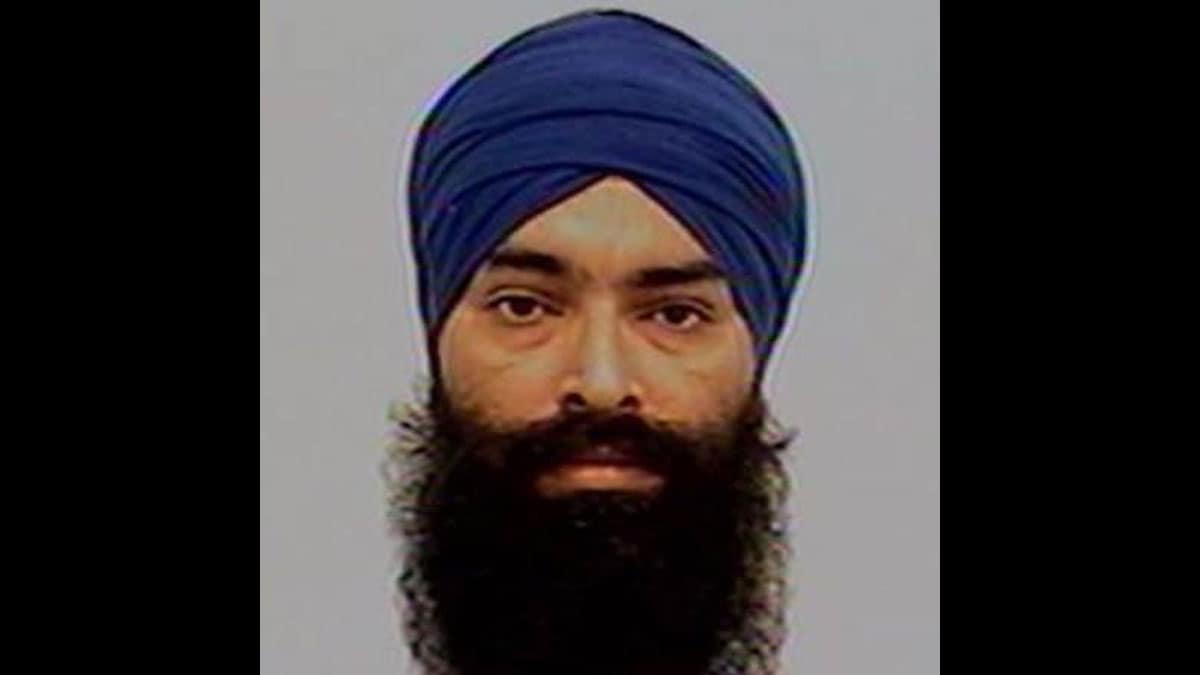
In a quiet federal courtroom, away from the flashbulbs and the morning rush hour, a legal fiction collapses. A man named Balcinder Singh learns that the parchment he relied upon was never a suit of armor. It was paper. And paper burns.
The timeline of his unravelling reads like a slow-motion car crash. Years ago, a terrifying reality unfolded behind closed doors. A woman was stalked, cornered, and violated at knifepoint. The terror of that night carved itself into a life, leaving an indelible fracture that no court order or prison sentence could fully heal. The state stepped in, as it must, bringing the full weight of penal justice down on the perpetrator. Prison walls went up. Years passed.
Yet, for those who immigrate, a criminal conviction of that magnitude carries a ghost penalty. It whispers of a threshold crossed long before the crime occurred—the threshold of the naturalization ceremony itself.
Naturalization is a contract built on truth. You swear an oath. You bare your history. You promise adherence to the laws of the land that adopts you. When a person gains citizenship through naturalization, they do so under the implicit condition that their foundational entry and path to residency were lawful and unmarred by disqualifying falsehoods or grave omissions. When a federal court later discovers that the citizenship was built on a foundation of unfitness, or that the path to it involved statutory bars that should have halted the process entirely, the government retains a heavy, rarely pulled lever: denaturalization.
Civil denaturalization is not a criminal sentence. It is a correction. It is the legal system saying, You should never have been handed the pen.
For Singh, the path led straight to revocation. A federal judge stripped him of his United States citizenship, unraveling the legal status he had acquired years prior. The mechanics of this are cold and bureaucratic. Prosecutors file civil suits. Judges review records. Statutes are cited. But beneath the dry legal briefs lies a profound rupture.
What does it mean to lose a country?
Most of us take our civic belonging for granted. We were born into our zip codes, our passports stamped with our birthrights before we could even spell the name of our nation. We are accidental citizens, lucky beneficiaries of geography. But naturalized citizens hold a conditional inheritance. They know the price of admission. To have that admission retroactively revoked because of unspeakable violence is a rare, severe rebuke. It is the legal equivalent of being cast out of the tribe.
The case forces an uncomfortable confrontation with the nature of belonging. We want to believe that once you are inside the house, the door is locked against the outside world forever. We want to think that time washes away prior origins, that a passport is a magic eraser.
It is not.
The legal machinery that brought down Singh’s citizenship relies on the concept that naturalization obtained by willful misrepresentation or in violation of statutory eligibility is a fraud upon the public trust. When an individual commits a heinous crime of sexual violence, they not only shatter a human life; they reveal a fundamental incompatibility with the compact of citizenship. The state looks back at the paperwork, finds the flaw, and erases the signature.
Deportation looms as the logical, heavy-footed next step. Once the protective cloak of citizenship is stripped away, the individual reverts to the status of an alien removable under immigration law. The machinery grinds on, indifferent to the human wreckage it leaves in its wake, focused entirely on the strict adherence of statute and precedent.
Standing at the edge of this narrative, the perspective shifts. We are reminded that legal statuses are not moral shields. A passport does not redeem a soul. A certificate of naturalization cannot rewrite a violent history.
The ink dries on the revocation order. The files are closed. Somewhere, a victim continues the quiet, courageous work of rebuilding a life fractured by violence, while the state demonstrates that some doors, once entered under false pretenses or forfeited by monstrous acts, can indeed be slammed shut from the outside.
The system corrects its ledger. But the shadow of what happened in that room remains, hanging heavy over the quiet courtroom, a reminder that some lines cannot be uncrossed, and some papers are never truly permanent.