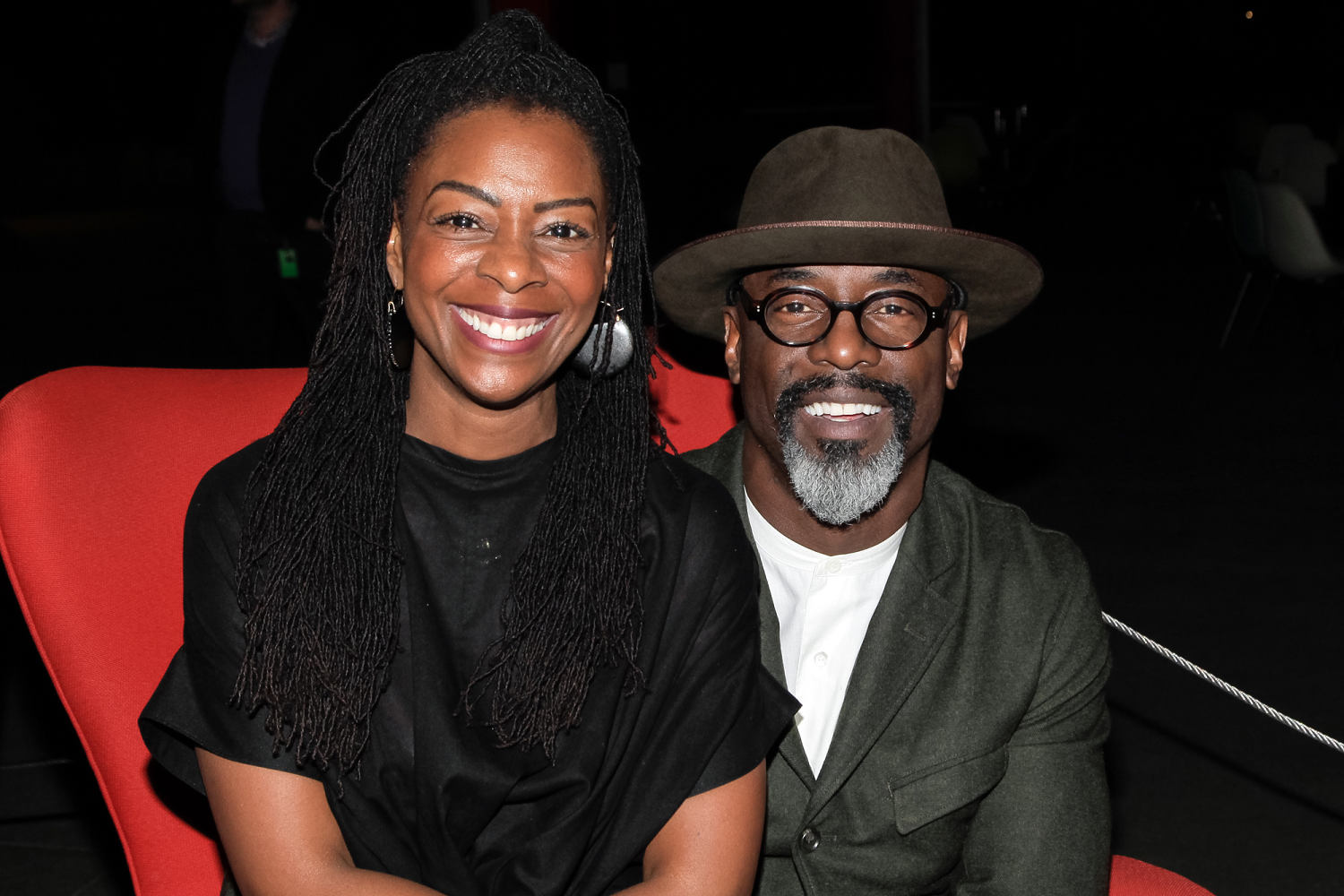
When Isaiah Washington shared that his wife, Jenisa Washington, had passed away more than a year prior, the news landed with a quiet shockwaves across the entertainment landscape. For months, the public had operated under standard assumptions about the actor's life away from the cameras, entirely unaware of the profound personal loss unfolding behind closed doors. This revelation forces a broader examination of how public figures manage grief, the invisible architecture of celebrity privacy, and the stark contrast between the relentless churn of the news cycle and the slow, heavy reality of mourning.
Public mourning in the digital era usually follows a predictable choreography. A representative issues a statement, social media feeds fill with polished tributes, and fans offer a collective expression of sympathy. Yet, Washington chose a different path. By keeping the loss private for over twelve months, he rejected the transactional nature of celebrity vulnerability. In an industry where personal tragedy is frequently commodified for headlines or public relations mileage, choosing total silence is an act of preservation.
The mechanics of maintaining such a secret in the public eye require extraordinary discipline. Washington has long navigated a complex relationship with the media, marked by high-profile exits from major television projects, independent film ventures, and outspoken commentary on industry politics. Because his career trajectory has often kept him at a slight remove from the mainstream Hollywood publicity machine, he retained a degree of autonomy that allowed him to protect his family's privacy during their darkest hours.
Loss at this level exposes the fault lines in how we consume celebrity culture. Audiences often feel a sense of ownership over actors who spend years entering their living rooms through long-running dramatic series. When a beloved figure from a cultural touchstone like Grey's Anatomy experiences a life-altering tragedy, fans often expect access to that emotional journey. Washington's disclosure reminds us that the performers we watch on screen are distinct human beings navigating real, unscripted pain that transcends television ratings and legacy media narratives.
The timeline itself—mourning in secret for more than a year—speaks volumes about the modern threshold for endurance. Grief does not adhere to production schedules or promotional windows. While the entertainment industry moves at a frantic pace, rewarding constant visibility and rapid reinvention, personal devastation demands stillness. Washington's ability to step back, process his reality without the interference of public commentary, and eventually share his truth on his own terms highlights a necessary boundary between the public persona and the private individual.
As the industry digests the news, the focus inevitably shifts back to the human element behind the headlines. Behind the red carpets and career milestones lies a landscape of private endurance that rarely makes the evening news. Isaiah Washington's quiet revelation is not merely a celebrity update; it is a stark reminder of the hidden
Isaiah Washington and the Quiet Weight of Private Grief
celebs, entertainment
The public machinery of celebrity culture demands an endless performance of accessibility. When an actor steps away from the spotlight, audiences tend to invent narratives, filling the silence with speculation. Recently, former Grey’s Anatomy star Isaiah Washington broke a long silence to reveal a devastating personal reality. More than a year ago, his wife passed away. The disclosure reframed years of absence, industry friction, and public perception, offering a stark reminder of what happens when private tragedy collides with a public persona.
For decades, Washington navigated a turbulent relationship with the entertainment industry. Best known for his portrayal of Dr. Preston Burke on the medical drama that defined mid-2000s television, his career trajectory shifted dramatically following well-publicized behind-the-scenes conflicts. In the years that followed, he occasionally resurfaced in independent films or made headlines for various political and social commentary statements. Yet, the complex human being behind those headlines was dealing with an invisible crisis. The loss of a spouse is a seismic event that reshapes a person's entire existence, yet the modern digital landscape rarely allows individuals the grace of unobserved mourning.
When grief occurs behind closed doors, it often operates on a timeline entirely disconnected from professional ambitions. Washington’s revelation that his wife died over a year prior highlights the profound disconnect between how society expects public figures to grieve and how they actually survive. In an era where personal milestones and tragedies are routinely broadcasted for algorithmic engagement, maintaining absolute silence for over twelve months requires a deliberate withdrawal from the noise. It forces a reexamination of how we judge public figures whose behavior deviates from standard media expectations.
The mechanics of celebrity mourning often rely on performative disclosure. Fans and critics alike have grown accustomed to immediate statements, tearful interviews, and curated social media memorials. When a public figure bypasses these rituals, the vacuum is frequently filled with negative assumptions. Observers mistake withdrawal for apathy or irrelevance. Washington's quiet endurance challenges that reflex. It demonstrates that the most profound forms of human suffering often occur far away from the cameras, resistant to the pressure of public consumption.
Beyond the personal dimensions of the story lies a broader commentary on the fleeting nature of Hollywood rehabilitation and the limits of reputation management. Washington's career has long been defined by a single volatile chapter, overshadowing his range as a performer and his later endeavors. While public narratives tend to freeze individuals in their most controversial moments, real life continues to evolve in unpredictable, often painful directions. A person can be fighting battles entirely unrelated to the public image they project or the past mistakes that define them in the archives of pop culture.
Ultimately, the disclosure serves as a sobering lesson in humility for consumers of media. The people flickering across screens are navigating complex, fragile lives that remain entirely opaque to the outside observer. Behind the public controversies, the political stances, and the media cycles lie ordinary human vulnerabilities. Isaiah Washington's delayed disclosure does not demand a sudden revision of his entire career, but it does ask for a fundamental recognition of context. Grief changes everything, and sometimes, the only appropriate response to a tragic reality is a respectful pause.