Imagine visiting a pristine island where coral reefs teem with marine life, rare birds nest in coastal trees, and tourists take guided nature walks. Now imagine that the entire foundation beneath your feet consists of incinerated municipal waste. This isn't a sci-fi movie set. It is Pulau Semakau, Singapore's offshore landfill, where meticulous environmental engineering collided with an acute spatial crisis to produce something completely unexpected.
Most major cities dump their trash into massive inland holes or ship it across borders. Singapore doesn't have that luxury. As a tiny island nation with roughly six million people packed into an area smaller than New York City, land is your most expensive and scarce asset. Burying untreated garbage in the ground was never a sustainable option.
Solving a Spatial Nightmare Through Fire and Sea
The country's strategy started decades ago with a strict high-temperature incineration policy. Burning municipal solid waste reduces its physical volume by up to 90 percent. That leaves behind a massive amount of ash. You still have to put that ash somewhere.
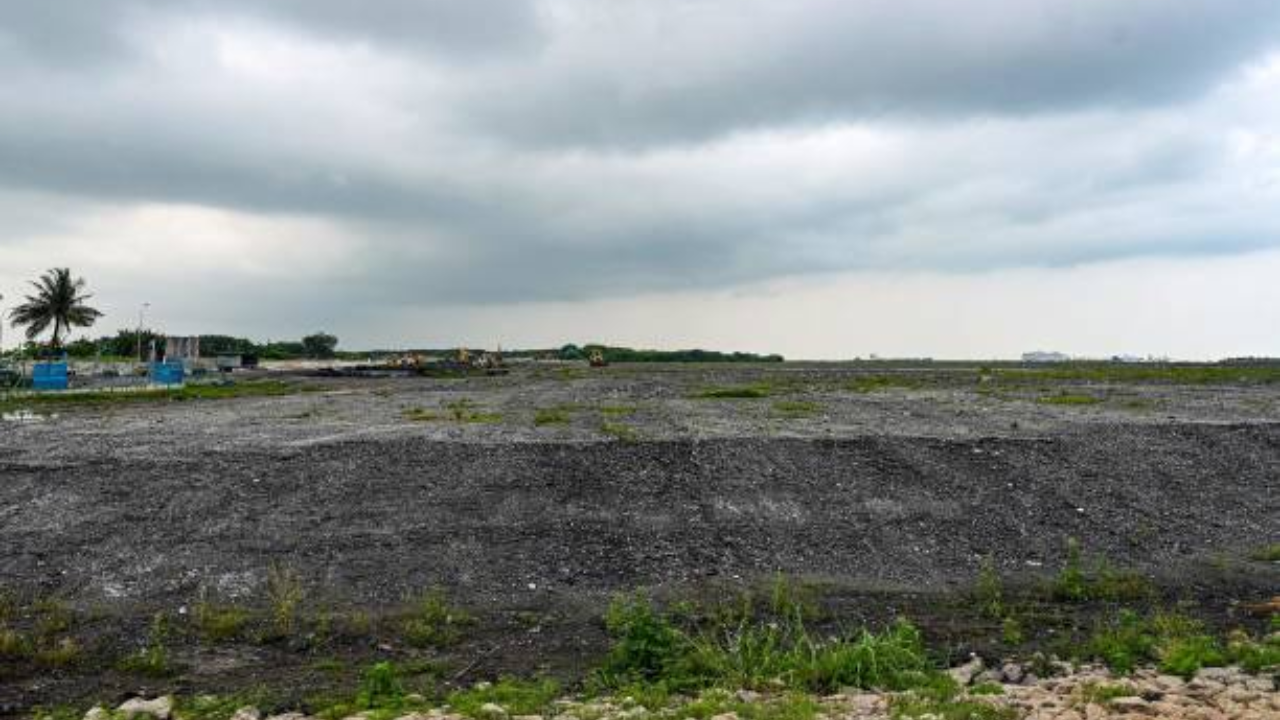
By the mid-1990s, the government launched an ambitious engineering project off the southern coast. Workers built a seven-kilometer rock bund connecting two existing islets, Pulau Semakau and Pulau Sakeng, enclosing a marine space between them. They lined the interior cells with impermeable marine-grade geomembrane liners and thick layers of clay to ensure zero leakage into the surrounding Johor Strait.
Barges began carrying ash from mainland incineration plants to the island every single night. Dump trucks offload the material into engineered compartments. Once a cell fills up, workers cap it with earth. Nature immediately goes to work on top of it. Grass, coastal trees, and wildlife naturally colonized the capped earth, turning industrial containment cells into green spaces.
Protecting the Surrounding Marine Life
Skeptics originally predicted environmental disaster. Dumping waste near vital marine habitats sounds like a recipe for ecological collapse. Yet, strict safeguards changed the outcome.
Engineers built a perimeter bund equipped with geotextile membranes and marine clay layers to trap any fine particles. Water quality sensors monitor the surrounding sea continuously. The water outside the containment zone remains clean enough to support thriving marine ecosystems.
In fact, the project actually preserved and expanded local nature. During construction, patches of original mangroves were disturbed, prompting authorities to replant thousands of mangrove saplings along the island's fringes. Today, those mangroves cover substantial acreage, acting as natural nurseries for fish, crabs, and juvenile marine species. Just offshore, coral reefs and intertidal seagrass meadows flourish. Visitors stepping onto the island smell sea salt instead of garbage, because the organic waste was already burned to clean ash miles away on the mainland.
The Looming Deadline and What Comes Next
Semakau Landfill has served as Singapore's sole dumping ground since April 1999. Current projections estimate that the space will reach capacity sometime around 2035.
That timeline creates an urgent puzzle for urban planners. The nation cannot simply build another Semakau; the surrounding waters have limits, and marine shipping lanes are crowded. Engineers are already researching methods to treat and recycle incineration ash into construction materials, aggregate, and road base components. Reducing household waste at the source remains the ultimate defense against running out of room.
Semakau proves that heavy industrial necessities can coexist with environmental stewardship when backed by rigorous design. It stands as a pragmatic blueprint for crowded urban centers facing identical waste crises across the globe.