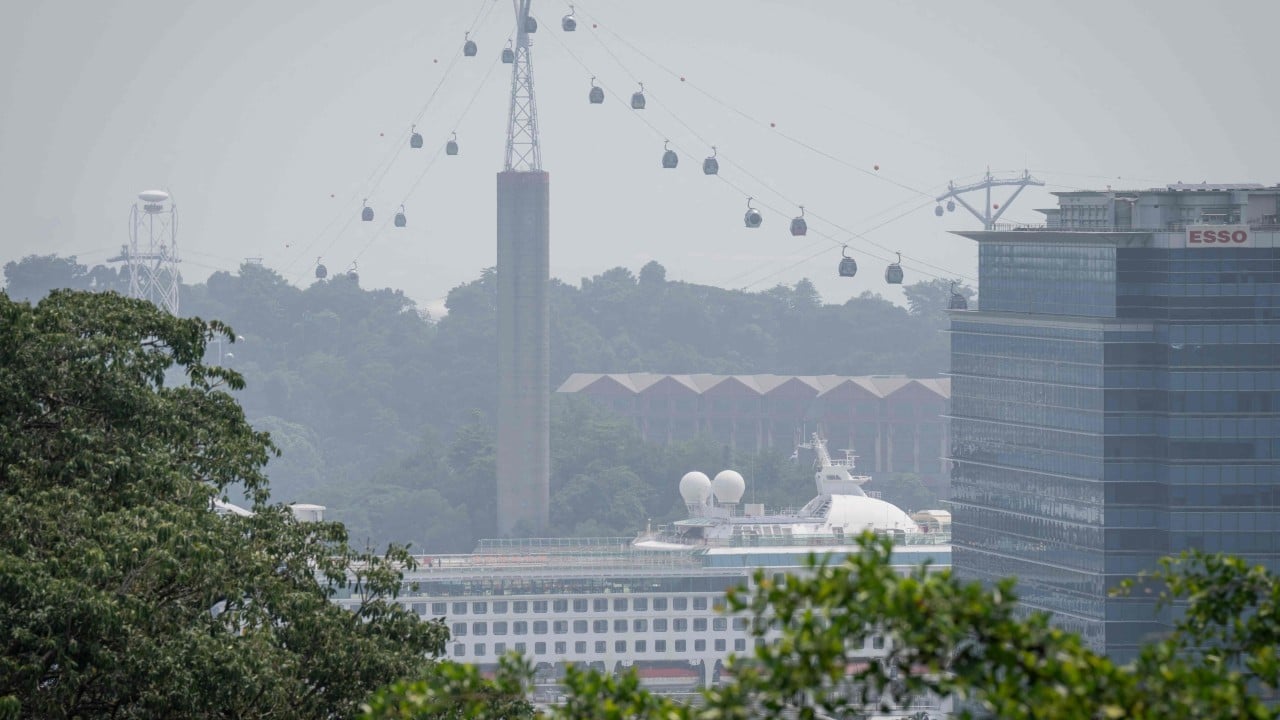
Every few years, the sky over Singapore turns a sickly shade of grey, the smell of burning peat hangs heavy in the humidity, and everyone starts checking their air quality apps like it's a stock ticker. If you've lived in Southeast Asia long enough, you know the drill. You buy N95 masks in bulk, seal your windows with tape, and wait for the wind to shift.
Now, Singapore is making a serious push to stop just reacting to the smoke. As the incoming ASEAN chair, Singapore is actively eyeing the operationalization of a regional haze control centre right inside Indonesia. It's a bold diplomatic move aimed at tackling transboundary air pollution at its literal source rather than waiting for the wind to carry the problem across the Malacca Strait.
Let's be clear about what this actually means. For decades, fighting Southeast Asian haze has felt like trying to put out a forest fire with a squirt gun while arguing over who owns the hose. By pushing to get the ASEAN Coordinating Centre for Transboundary Haze Pollution Control up and running on Indonesian soil, Singapore is trying to turn years of polite diplomatic agreements into an actual, functioning command post.
What Is the ASEAN Haze Control Centre Actually Supposed to Do
You'd be forgiven for thinking this centre already existed. ASEAN leaders actually signed the Agreement on Transboundary Haze Pollution back in 2002, which explicitly called for a regional coordinating body. Indonesia, the last holdout, finally ratified that agreement in 2014 after the catastrophic 2013 haze crisis choked Singapore and Malaysia.
Yet for over two decades, the physical centre remained mostly an idea on paper. In 2023, ASEAN environment ministers finally agreed to establish the ASEAN Coordinating Centre for Transboundary Haze Pollution Control in Indonesia. Having an agreement on paper and having a staffed, funded, operational facility that can deploy resources during a dry spell are two very different things.
Singapore's push as ASEAN chair focuses on bridging that gap. The goal isn't to create another bureaucratic meeting room where diplomats drink coffee and issue joint statements. The facility is meant to serve as a centralized hub for:
- Real-time satellite monitoring of hotspots across Sumatra, Kalimantan, and the wider Mekong sub-region.
- Rapid resource deployment so firefighting equipment, water-bombing aircraft, and technical experts can move across borders without getting stuck in customs red tape.
- Shared data transparency, specifically around land concession maps, which has historically been the biggest sticking point in holding rogue plantation companies accountable.
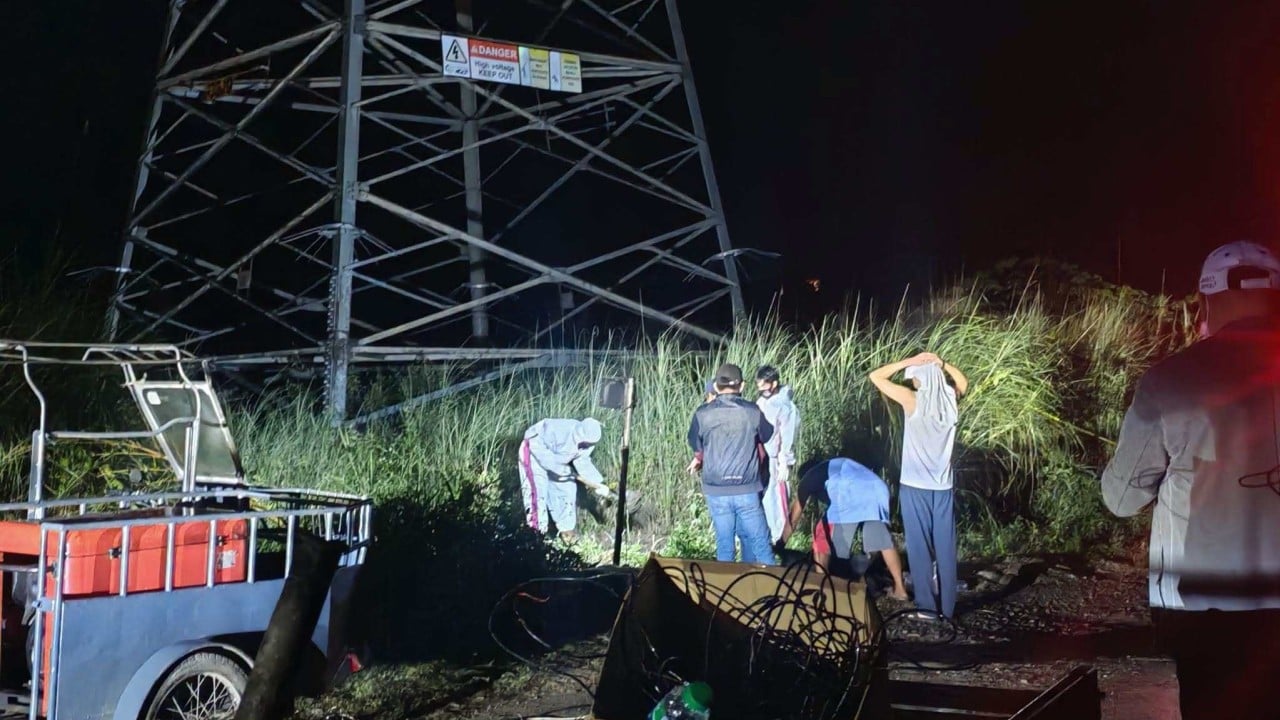
When a fire breaks out on carbon-rich peatland, hours matter. Once a peat fire burns underground, surface water barely touches it. You need immediate, coordinated intervention before the dry monsoon winds turn localized agricultural burning into a regional public health emergency.
Why Putting the Hub in Indonesia Changes the Political Math
Diplomacy in Southeast Asia runs on the "ASEAN Way"—a strict adherence to consensus and non-interference in each other's domestic affairs. Historically, whenever Singapore or Malaysia criticized Indonesia over forest fires, Jakarta pushed back against what it viewed as foreign meddling, often pointing out that Singaporean and Malaysian companies owned many of the palm oil and pulpwood plantations operating in Indonesia.
They weren't entirely wrong. The supply chain behind regional haze is messy, cross-border, and deeply entangled with global commodity markets.
Placing the regional haze control centre directly inside Indonesia flips the dynamic. Instead of Singapore lecturing Jakarta from across the water, a joint centre hosted by Indonesia gives Jakarta ownership, leadership, and direct access to regional funding and technical support. It turns a bilateral blame game into a shared operational mission.
Indonesia has actually made massive strides on its own over the past decade. Following the devastating 2015 fires—which the World Bank estimated cost Indonesia's economy roughly US$16.1 billion—Jakarta established the Peatland and Mangrove Restoration Agency (BRGM), enforced strict moratoriums on new palm oil permits in primary forests, and cracked down harder on illegal burning. Fire hotspots dropped significantly compared to the mid-2010s.
Still, climate patterns don't care about policy wins. Whenever a strong El Niño weather event hits, prolonged droughts dry out the peatlands again, and the risk of a massive smoke event shoots right back up. A permanent, Indonesia-based ASEAN command centre ensures that regional firefighting capacity doesn't atrophy during wet, haze-free years.
The Uncomfortable Truth About Plantation Maps and Corporate Accountability
If you talk to environmental researchers or policy analysts who have tracked Southeast Asian haze for years, they'll tell you that satellites aren't the missing piece. We already have incredible satellite tech. NASA's FIRMS system and Singapore's own Meteorological Service can spot a thermal anomaly from space within hours.
The real bottleneck has always been land ownership data. Knowing a fire is burning at specific GPS coordinates is useless for law enforcement if nobody can publicly verify which company holds the concession license for that exact patch of dirt.
In 2014, Singapore passed its Transboundary Haze Pollution Act, a pioneering law allowing Singaporean courts to fine domestic or foreign companies if their burning activities cause unhealthy air in Singapore. On paper, it looked like a massive stick. In practice, prosecuting cases proved extraordinarily difficult because obtaining official, legally admissible concession maps from Indonesian authorities hit sovereignty walls.
For the new ASEAN haze control centre to actually work, member states have to move past map secrecy. Sharing verified, digitized land-use boundaries among ASEAN governments—even if kept confidential from the general public—would let authorities immediately identify who is responsible when a hotspot flares up. Without that transparency, a regional centre risks becoming a very expensive weather station that watches fires burn without having the teeth to stop the people lighting them.
What You Can Actually Do When Haze Season Looms
Policy breakthroughs take months to negotiate, and diplomatic summits won't filter PM2.5 particles out of your living room if an El Niño drought hits before the centre is fully staffed. If you live in Singapore, Malaysia, or Indonesia, relying entirely on government timelines is a bad bet.
Start preparing your home environment well before the Pollutant Standards Index (PSI) climbs into the triple digits. Once a severe haze event starts, air purifiers and replacement HEPA filters sell out across the island within forty-eight hours, and third-party resellers jack up prices.
- Check your HEPA filters right now. If you own an air purifier, pull off the back cover and inspect the filter. A clogged filter doesn't just fail to trap fine PM2.5 particles; it forces the fan motor to work harder and circulates stale air. Buy a spare sealed filter while retail prices are normal.
- Audit your window and door seals. Most apartments in Singapore and Johor leak outdoor air through gaps under doors and around sliding window tracks. Simple silicone weather-stripping tape costs a few dollars at any hardware store and drastically improves how fast your indoor air purifier can drop room particulate levels.
- Stock proper N95 masks, not surgical masks. Standard blue surgical masks block droplets, not microscopic smoke particulates. Make sure you have fitted N95 or KN95 respirators on hand, especially if you have kids, elderly family members, or asthma.
- Bookmark the right monitoring tools. Skip generic weather apps that pull delayed regional averages. Use the National Environment Agency (NEA) myENV app in Singapore or the ASEAN Specialised Meteorological Centre (ASMC) website, which tracks real-time wind patterns, hotspot counts, and transboundary smoke plumes directly from satellite feeds.
Singapore's push to anchor an ASEAN haze control centre in Indonesia is the smartest diplomatic play the region has seen on air pollution in twenty years. It addresses sovereignty sensitivities while targeting fires at their source. Keep an eye on how fast ASEAN member states commit actual funding and data-sharing agreements during Singapore's chairmanship—because when the next dry season arrives, budget commitments will matter far more than summit communiqués.