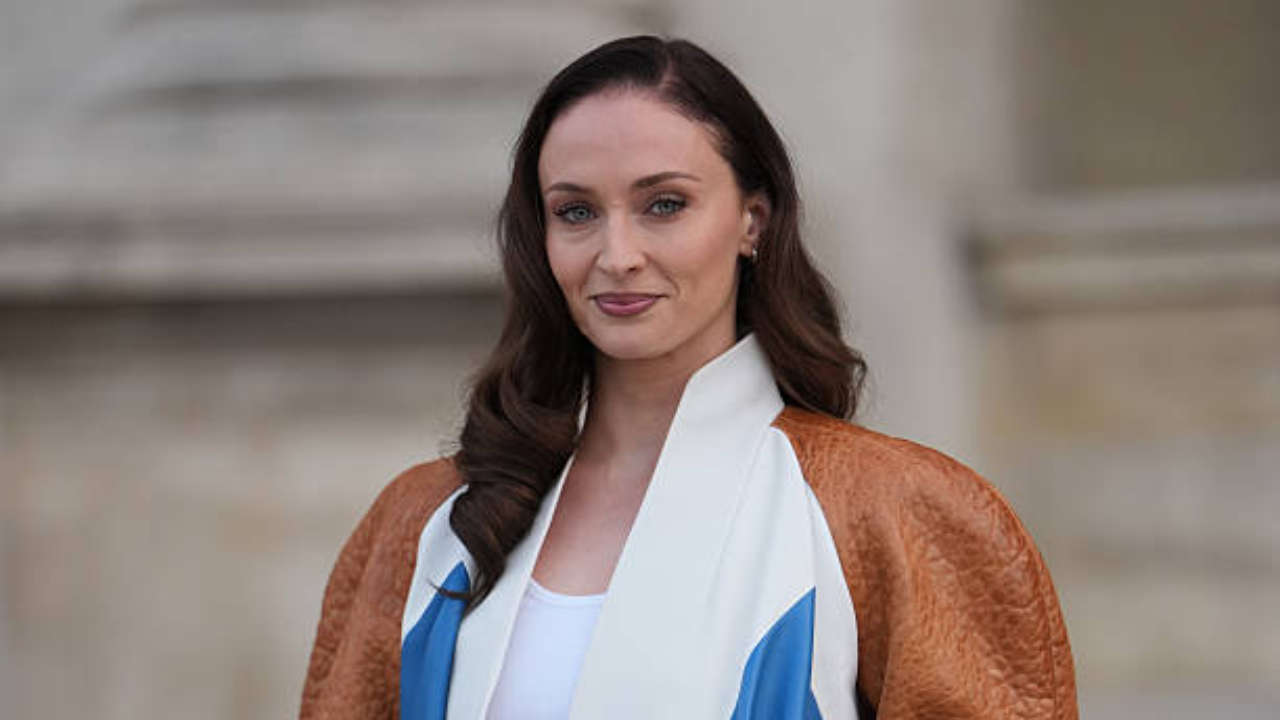
Celebrity real estate rarely moves according to plan. When Sophie Turner put her West London home on the market for £2.6 million, the assumption was simple—an A-list name attached to a prime London postcode equals a quick, lucrative sale. That didn't happen. Instead, the Game of Thrones star has cut the asking price twice, bringing the figure down to £1.75 million.
That is an £850,000 drop. Nearly a third of the original valuation vanished before a buyer even signed on the dotted line.
If you've ever watched the high-end London property market closely, this kind of aggressive discounting tells a very specific story. It isn't just about one actress wanting to offload a house. It's about what happens when celebrity pricing meets a stubbornly slow UK luxury market, rising borrowing costs, and buyers who refuse to pay a "fame tax" for bricks and mortar.
The Reality Behind Sophie Turner's £850,000 Price Drop
Let's look at the numbers first, because real estate math doesn't care about Hollywood resumes. Listing a property at £2.6 million and dropping it to £1.75 million represents a 32.7% reduction. In normal residential markets, a 5% or 10% trim gets attention. A cut north of 30% signals urgency.
Why would someone take that kind of haircut?
Timing and life transitions explain almost everything. Following her high-profile divorce from Joe Jonas and her subsequent move back to the UK, Turner's personal and professional life shifted rapidly. When your life moves on, holding onto an empty or underused asset becomes an expensive headache. Council tax, insurance, security, ongoing maintenance, and potential mortgage carrying costs don't pause just because an estate agent is waiting for the right offer.
Honestly, most sellers wait too long to make their first price cut. They shave off £100,000, wait three months, shave off another £100,000, and end up chasing the market all the way down. By the time they reach a realistic number, the listing looks stale. Buyers start wondering what's wrong with the plumbing or the roof.
Dropping from £2.6 million to £1.75 million across two adjustments shows a seller who finally decided to meet buyers where they actually are—rather than where an optimistic valuation agent hoped they'd be.
What You Actually Get in West London for £1.75 Million
People outside the UK often hear "£1.75 million" and picture a sprawling countryside estate with tennis courts and a moat. In West London, that money buys something very different.
Depending on the exact pocket—whether you're looking at Chiswick, Fulham, Kensington fringes, or Notting Hill borders—£1.75 million typically puts you in the territory of a stylish, renovated terraced house or a generous lateral apartment in a period conversion. You're paying for postcode prestige, proximity to Heathrow, leafy garden squares, and walkable high streets, not acreage.
At the original £2.6 million asking price, Turner's property was competing against larger, four- and five-bedroom family homes in prime West London neighborhoods. Buyers shopping in that £2.5 million to £3 million bracket are notoriously picky. They want turnkey perfection, off-street parking, decent garden space, and zero compromises on square footage.
Bring that same property down to £1.75 million, and suddenly the buyer pool changes completely.
Now you're appealing to:
- Young City executives or tech founders looking for a trophy starter home in a blue-chip area.
- International buyers seeking a secure London pied-à-terre without crossing the £2 million stamp duty threshold psychology.
- Upsizers moving out of £1.1 million flats who suddenly see a celebrity-owned West London house within reach.
That single shift in price bracket can take a listing from zero viewings a month to competitive sealed bids within weeks.
Why Celebrity Real Estate Often Overprices at Launch
I've seen this pattern play out dozens of times across London and Los Angeles. A celebrity decides to sell, brings in two or three high-end estate agents, and picks the one who promises the highest valuation.
It's a classic trap. Agents win listings by flattering the seller's ego with an aspirational number, knowing full well they'll have to talk the client down ninety days later.
Here's the problem with the "celebrity premium." Fans don't buy £2.6 million houses. Wealthy bankers, lawyers, business owners, and family offices buy them. And those buyers do not care who slept in the primary bedroom. In fact, some high-net-worth buyers actively dislike celebrity homes because the property's address and interior photos have already been splashed across tabloid websites, ruining their privacy.
When a home launches 20% or 30% above comparable sales on the same street, savvy buyers simply ignore it. Rightmove and Zoopla alerts make price-per-square-foot comparisons effortless. If the house three doors down sold for £1.8 million six months ago, nobody is handing over £2.6 million just because a Game of Thrones actor owned it.
The Wider West London Property Squeeze
Turner's two price cuts didn't happen in a vacuum. The prime London residential market has been wrestling with serious headwinds that hit the £1.5 million to £3 million bracket especially hard.
Stamp Duty and Tax Pressure
In the UK, Stamp Duty Land Tax (SDLT) takes a massive bite out of high-value transactions. On a £2.6 million purchase, a buyer faces well over £220,000 in stamp duty alone—and significantly more if it's a second home or an overseas purchase. Dropping the price to £1.75 million saves the buyer roughly £100,000 in upfront tax before they even hire a removal van. That cash savings matters enormously right now.
Mortgage Rates and Buyer Caution
Even though many prime London buyers use cash, plenty still rely on private bank financing. With interest rates sitting well above the ultra-cheap era of the early 2020s, monthly repayments on a £1.5 million mortgage look brutal compared to a few years ago. Buyers are running their spreadsheets twice and refusing to stretch for overpriced stock.
Renovations Cost a Fortune
If a property needs even minor cosmetic updates, UK construction and labor costs have surged over the last few years. Buyers factor those refurbishment quotes directly into their offers, pushing sellers toward steeper discounts on anything that isn't freshly modernized from top to bottom.
What Smart Sellers and Buyers Can Learn From This Sale
Watching a high-profile listing drop by £850,000 isn't just celebrity gossip—it's a textbook case study in how residential real estate actually clears.
If you're selling a property in a slow or price-sensitive market, anchor your asking price to completed Land Registry comparables, not peak-market wishful thinking. Test the market aggressively in the first four weeks, because that is when your listing gets maximum portal visibility. If viewings don't convert into offers within six weeks, make one decisive price adjustment rather than nibbling away at the price every quarter.
If you're buying in West London right now, pay close attention to listings that have already taken two price cuts. Those sellers have moved past the emotional attachment phase and just want a clean, reliable completion. Verify the comparable sales on the street, calculate your exact stamp duty savings, and put a strong, chain-free offer on the table while other buyers are still waiting to see if the price drops a third time.