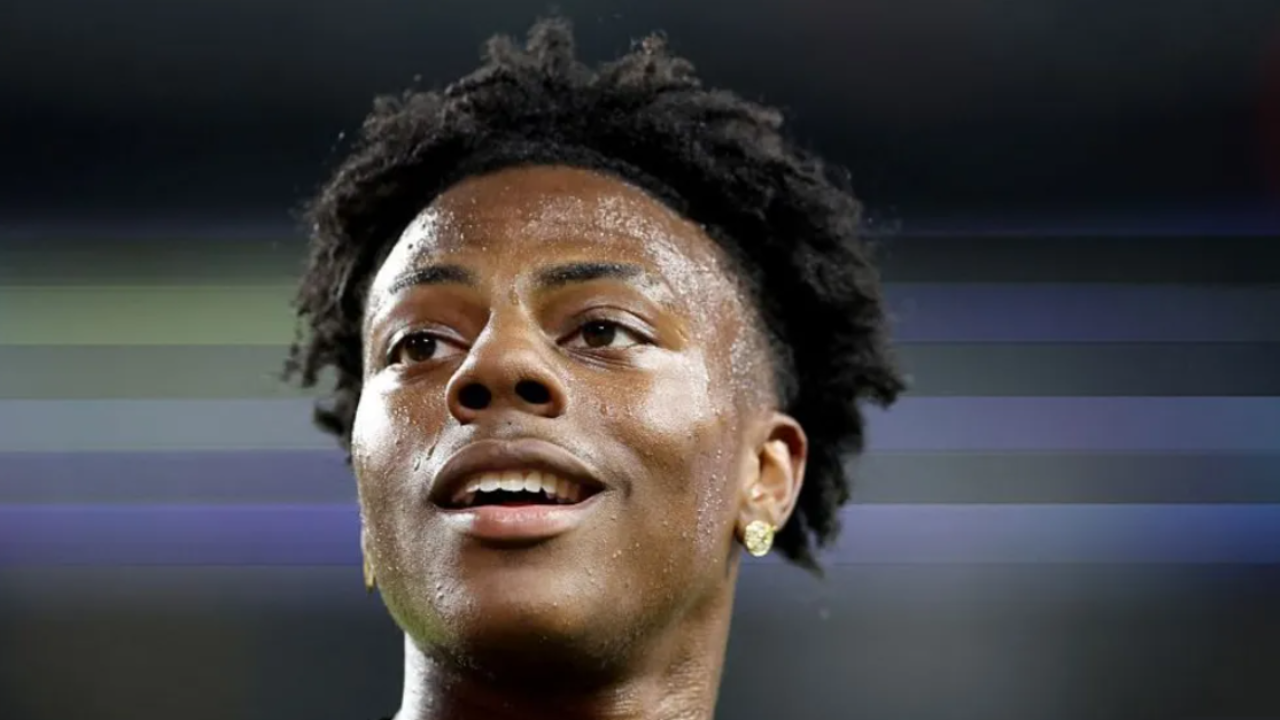
The modern living room of an elite college athlete in May is supposed to be loud. It should ring with the chaos of extended family, the synthetic chime of constant text notifications, and the booming laughter of representation promising the world. You expect to see open laptops tracking draft boards and half-eaten boxes of pizza on the counter.
Instead, there is only the hum of a refrigerator.
Brendan Sorsby sat in that heavy silence, watching a smartphone screen that refused to light up. The quarterback had made his decision. He had weighed the risks, looked at his trajectory, and decided to bet everything on a backdoor route to the professional ranks. He wanted the National Football League, and he wanted it now.
Then, with a single administrative memo from a league office in New York, the door didn't just slam shut. It vanished. The NFL announced it would not hold a supplemental draft this year.
To understand what this means, you have to look past the multi-billion-dollar spectacle of Sunday afternoons. You have to look at the bureaucratic machinery that governs young men’s lives. The standard NFL Draft in April is a monolith. It is a three-day televised carnival where hundreds of dreams are validated. But football is chaotic. Seasons end, academic standing shifts, and personal lives fracture in the months between April and September.
Historically, the supplemental draft was the safety valve. It was designed for the anomalies—the players who missed the April deadline due to sudden changes in eligibility or unforeseen life events. It operated like a silent auction. Teams would bid future draft picks for the right to sign a stranded talent. It gave players a lifeline.
For Sorsby, it was supposed to be the bridge to a career.
When a young quarterback prepares for this specific path, the training is lonely. It lacks the camaraderie of a college campus or the structured luxury of an NFL facility. It takes place in commercial gyms at dawn. You throw to local receivers who are just happy to get the workout. You film every dropback, every flick of the wrist, hoping the tape finds its way into the inbox of a sympathetic scout. Every dollar spent on training is a gamble against an uncertain future.
Consider the sheer mechanics of the position. A quarterback relies on timing, rhythm, and familiarity. They must anticipate the movement of twenty-one other bodies on a field, operating on fractions of a second. Taking that cognitive machinery and placing it in a year-long holding pattern is the athletic equivalent of leaving a high-performance engine to rust in the rain.
The league’s decision to cancel the event entirely feels clinical on paper. To executives, it is a matter of calendar optimization and roster management. They look at the numbers and see a low-yield event that requires administrative effort for very little statistical return. In many years, no players are even selected.
But statistics do not feel the weight of a stalled life.
The immediate fallout for a stranded prospect is a complex maze of collegiate governing bodies and transfer portals. When a player declares their intention to go pro and hires an agent, they cross a rubicon. The NCAA rules regarding amateurism are notoriously rigid. Reversing course isn't as simple as walking back into a locker room and asking for your locker back. It requires petitions, legal reviews, and a mountain of compliance paperwork.
Imagine standing in front of a mirror, knowing you possess the physical capability to compete at the highest level, while realizing your fate is entirely dependent on compliance officers reviewing documents in a windowless office.
This administrative limbo forces an agonizing recalculation. Do you spend the next twelve months training in isolation, preserving your health but risking the stagnation of your skills? Or do you engage in the grueling process of trying to claw your way back into college football, begging for a spot on a roster that has already moved on without you?
The transfer portal waits for no one. By the time the NFL made its announcement, major programs had already solidified their depth charts. Spring practices were over. Playbooks were distributed. Coaches had chosen their leaders. A returning quarterback does not walk back into a hero's welcome; they walk into an awkward conversation about budgets, scholarship limits, and broken trust.
The public often views these athletes as invulnerable titans, shielded by talent and potential wealth. We see the highlights, the jersey sales, and the social media followers. We forget that underneath the helmet is a twenty-something-year-old trying to navigate a corporate system that can alter his life's trajectory with a single email.
The football world moves forward relentlessly. The cameras will focus on the rookies reporting to minicamps, learning their new cities, and signing their first contracts. The talking heads on television will debate division titles and roster cuts.
Meanwhile, far from the stadium lights, a quarterback will wake up tomorrow at 5:00 AM. He will grab a bag of footballs and drive to a local high school field. He will look at the empty bleachers, stretch his arm, and throw into the morning mist, waiting for a year to pass.