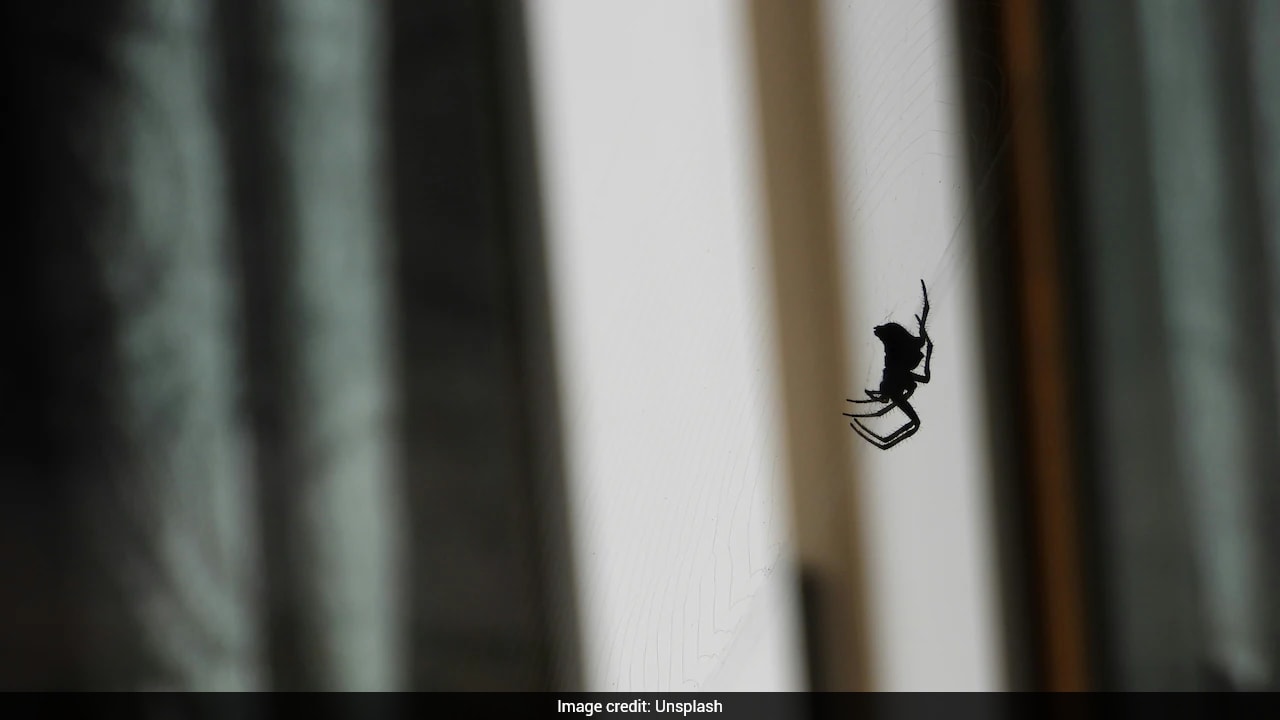
When an older adult develops massive, rapid leg swelling—sometimes expanding to the size of a watermelon—after a suspected spider bite, the true culprit is rarely venom alone. While venomous species like the brown recluse or black widow can trigger severe local tissue damage, extreme limb enlargement in seniors is most often driven by a secondary bacterial skin infection such as cellulitis, a deep vein thrombosis (DVT), or a dangerous spike in internal tissue pressure known as compartment syndrome. Treating the swelling as a simple bug bite rather than a vascular or infectious emergency can delay life-saving hospital care.
Tabloid headlines love a monster arachnid story. A 73-year-old wakes up with a swollen limb, mentions seeing a spider near the bed, and suddenly a local news desk has a viral horror piece. After decades of covering clinical medicine and public health, I have seen this exact narrative play out in emergency departments across the country. The story makes for great clicks, yet it almost always buries the actual physiological crisis happening beneath the skin.
Spiders get blamed for skin lesions they never caused. Physicians and entomologists have documented this phenomenon for years. Unless a patient physically captures the arachnid in the act of biting and brings it to an expert for identification, a "spider bite" diagnosis is usually an educated guess—or a patient's assumption.
The Anatomy of Extreme Limb Swelling
To understand how a tiny puncture wound leads to grotesque swelling, you have to look at the mechanics of human tissue and aging. A spider's fangs are microscopic. Even the largest North American spiders deliver a minuscule volume of fluid. That tiny drop of venom does not physically inflate a human leg.
Instead, the swelling is an inside job. Your own body generates the fluid.
When tissue suffers trauma—whether from venom enzymes, bacteria, or blunt force—the local immune system sounds an alarm. Blood vessels dilate to rush white blood cells to the injury site. Capillary walls become permeable, allowing plasma, proteins, and immune cells to leak out into the surrounding interstitial space. In medical terms, this is acute edema.
In a healthy 25-year-old, the lymphatic system and venous return efficiently pump that excess fluid back toward the heart. The ankle puffs up for a day or two, turns slightly pink, and resolves.
In a 73-year-old, the plumbing works differently.
Why Age Changes the Equation
Aging alters the structural integrity of the lower extremities. Older adults frequently live with underlying chronic venous insufficiency, where the one-way valves inside leg veins weaken over time. Gravity pulls fluid downward, and the vascular system struggles to push it back up.
Add a compromised lymphatic system, thinner skin, and slower microcirculation into the mix. When an acute inflammatory trigger hits an older leg, fluid pours into the tissue spaces far faster than the body can drain it. Within 24 to 48 hours, the calf and thigh can swell to alarming proportions, stretching the skin until it looks shiny, tight, and bruised.
The Three Real Culprits Behind the "Watermelon" Leg
When an emergency physician evaluates a senior with a massively swollen limb and a suspected bite, venom is rarely at the top of the differential diagnosis. Three distinct medical conditions pose a much higher, more immediate threat.
1. Secondary Bacterial Cellulitis and Necrotizing Infections
The human skin is covered in bacteria, notably Staphylococcus aureus and Streptococcus pyogenes. A spider's fangs—or even a simple mosquito bite or splinter—break the epidermal barrier. Once those surface bacteria slip into the deeper dermis and subcutaneous fat, they multiply rapidly.
Cellulitis is a deep bacterial skin infection. It produces intense redness, heat, pain, and dramatic swelling. If the bacteria happen to be methicillin-resistant Staphylococcus aureus (MRSA), the infection can resist standard oral antibiotics and trigger aggressive tissue breakdown, mimicking the necrotic ulcer often blamed on the brown recluse spider.
In worst-case scenarios, aggressive bacteria cause necrotizing fasciitis, a rapidly spreading infection that destroys the fascia surrounding muscles and nerves. It moves fast. Every hour without intravenous antibiotics and surgical debridement increases the risk of amputation or septic shock.
2. Deep Vein Thrombosis (DVT)
Severe inflammation slows blood flow. When an older adult experiences intense leg pain from a bite or infection, their natural instinct is to sit still and elevate the foot. Immobility combined with localized vascular inflammation creates the textbook conditions for a deep vein thrombosis—a blood clot forming inside the deep veins of the leg.
A DVT blocks venous blood from leaving the limb. Pressure builds behind the clot, forcing fluid out of the vessels and causing the entire leg to balloon. The danger here is not just the swollen leg. If a piece of that clot breaks free, it travels through the heart and lodges in the lungs, causing a potentially fatal pulmonary embolism.
3. Acute Compartment Syndrome
Human muscles in the lower leg are wrapped in tough, inelastic bands of fibrous tissue called fascia. These bands divide the leg into distinct compartments. Because fascia does not stretch, massive internal swelling creates a hydraulic pressure cooker.
As fluid accumulates inside a closed compartment, internal pressure rises until it exceeds the pressure of the capillaries supplying blood to the muscles and nerves. Blood flow stops. Without oxygen, muscle tissue and nerve fibers begin to die within hours.
Compartment syndrome is a true surgical emergency. Doctors must perform a fasciotomy—making long incisions through the skin and fascia to physically relieve the pressure and save the limb.
What Venom Actually Does
This is not to say venomous spiders are harmless. If a 73-year-old actually suffers a confirmed bite from a medically significant spider, the systemic and local effects require immediate clinical management.
In North America, only two groups of spiders pose a serious threat to humans: the widow spiders (Latrodectus) and the recluse spiders (Loxosceles).
The Brown Recluse Mechanism
The brown recluse carries a venom containing sphingomyelinase D, a potent enzyme that attacks cell membranes and disrupts the lining of blood vessels. This triggers localized blood clotting inside tiny capillaries, starving the surrounding skin of oxygen.
A true brown recluse bite rarely causes a massive, waterlogged limb. Instead, it typically produces a flat or sunken lesion with a pale center, surrounded by a dusky blue or purple ring, and an outer halo of redness—often called a "bull's-eye" or "red, white, and blue" sign. Over several days, the center can turn black and form a dry, necrotic eschar as the tissue dies. In rare cases, particularly in vulnerable patients, the venom causes systemic loxoscelism, destroying red blood cells and triggering kidney injury.
The Black Widow Mechanism
Black widow venom works entirely differently. It contains alpha-latrotoxin, a neurotoxin that forces nerve endings to dump massive amounts of neurotransmitters, flooding the nervous system.
A black widow bite usually leaves minimal local swelling—often just two tiny red fang marks. The real crisis is systemic. Within an hour, the patient develops severe, agonizing muscle cramps, rigid abdominal muscles that mimic appendicitis, profuse sweating, nausea, and dangerously high blood pressure. For a 73-year-old with underlying heart disease, that sudden surge in blood pressure and physiological stress can trigger a cardiac event.
The Diagnostic Blind Spot in Emergency Medicine
Why do so many skin infections and vascular crises get mislabeled as spider bites? Cognitive bias plays a massive role.
When a patient arrives at urgent care convinced a spider bit them while gardening or sleeping, clinicians often anchor on that history. Early-stage MRSA abscesses look remarkably like insect bites—a small, raised, red bump with a central pustule that mimics a fang puncture.
If a doctor prescribes a mild oral antibiotic or a topical steroid cream under the assumption that the body just needs to clear a minor bug bite, the underlying infection or blood clot goes unchecked. Forty-eight hours later, the patient returns to the emergency room with a limb swollen to twice its normal size, running a fever, and teetering on the edge of sepsis.
Consider a hypothetical clinical scenario to see how easily this happens. Suppose a 74-year-old man notices a tender red bump on his shin after cleaning out his garage. He assumes a spider got him, puts an ice pack on it, and takes an antihistamine. By the next morning, the redness has spread to his ankle, and his calf feels tight. Because he feels no fever yet, he waits another day. By day three, his lower leg has doubled in diameter, the skin is blistering, and he feels dizzy when standing. At that point, the original trigger—whether a spider, a thorn, or a scratch—is clinically irrelevant. He is now fighting deep tissue cellulitis and early sepsis.
Red Flags That Demand Immediate Hospital Care
Waiting to see if severe swelling goes down on its own is a gamble older adults cannot afford to take. Home remedies like baking soda pastes, essential oils, or over-the-counter hydrocortisone creams do nothing for deep bacterial infections or venous clots.
Anyone experiencing rapid limb enlargement after a suspected bite—especially seniors, diabetics, or individuals with compromised immune systems—needs an urgent medical evaluation if any of the following warning signs appear:
- Rapidly expanding redness: Draw a line around the border of the redness with a ballpoint pen. If the erythema crosses that ink line within a few hours, bacteria are actively spreading through the tissue.
- Pain out of proportion: Severe, deep aching or throbbing pain that worsens when stretching the toes or flexing the foot is a classic early warning sign of compartment syndrome or deep tissue necrosis.
- Skin changes: Tight, shiny skin, fluid-filled blisters (bullae), dark purple bruising, or areas that feel unusually hard and woody to the touch.
- Sensory shifts: Numbness, tingling, a "pins and needles" sensation, or coldness in the foot and toes, which indicate compromised nerve function or arterial blood flow.
- Systemic symptoms: Fever, chills, night sweats, confusion, a racing heart rate, or lightheadedness—all hallmarks that a localized issue has entered the bloodstream.
How Clinicians Actually Treat a Severely Swollen Limb
Once a patient reaches the emergency department with extreme leg swelling, the medical team shifts immediately from symptom relief to limb preservation and systemic stabilization.
First, doctors rule out life-threatening vascular and structural crises. A duplex ultrasound uses sound waves to visualize blood flow in the deep veins, immediately confirming or ruling out a DVT. Blood panels—including a complete blood count, C-reactive protein, lactate levels, and creatine kinase—reveal whether the body is fighting a severe systemic infection or breaking down muscle tissue.
If cellulitis or MRSA is suspected, treatment starts immediately with broad-spectrum intravenous antibiotics such as vancomycin or cefazolin. Oral pills simply do not reach high enough tissue concentrations fast enough when a limb is severely edematous.
If a localized abscess has formed, a physician will perform an incision and drainage (I&D) to physically evacuate the pus and dead tissue. Antibiotics alone cannot penetrate the thick wall of a mature abscess.
For confirmed brown recluse bites, treatment remains largely supportive: wound care, tetanus prophylaxis, pain management, and strict monitoring for blood cell destruction. Antivenom for brown recluse bites is not commercially available in the United States, and surgical excision of the wound is generally delayed until the necrotic area fully stabilizes, as early cutting can actually worsen tissue loss.
For confirmed black widow envenomation causing severe pain or dangerous hypertension in an older adult, hospitals can administer Latrodectus antivenin, which rapidly neutralizes the neurotoxin and relieves muscle spasms within hours, though doctors weigh the risk of allergic reactions carefully.
Practical Prevention Without the Paranoia
Spiders are reclusive creatures. They do not hunt humans, and they only bite when trapped against skin—inside a shoe, under bedsheets, or inside a gardening glove.
Preventing these medical emergencies does not require saturating a home in harsh chemical pesticides, which carry their own health risks for older adults. Simple mechanical barriers work far better. Shake out shoes, boots, and heavy coats before putting them on, especially if they have been stored in a garage, basement, or closet. Wear thick leather gloves when moving firewood, boxes, or yard debris. Keep beds pulled a few inches away from walls and remove bed skirts that touch the floor, eliminating the natural bridges spiders use to climb onto mattresses.
Most importantly, treat every break in the skin seriously. Wash any suspected bite or scratch immediately with plain soap and warm water to flush out surface bacteria before they can colonize deeper tissue. Watch the skin closely for the first 48 hours, and if a limb begins to swell rapidly, skip the home remedies and go straight to an emergency room.