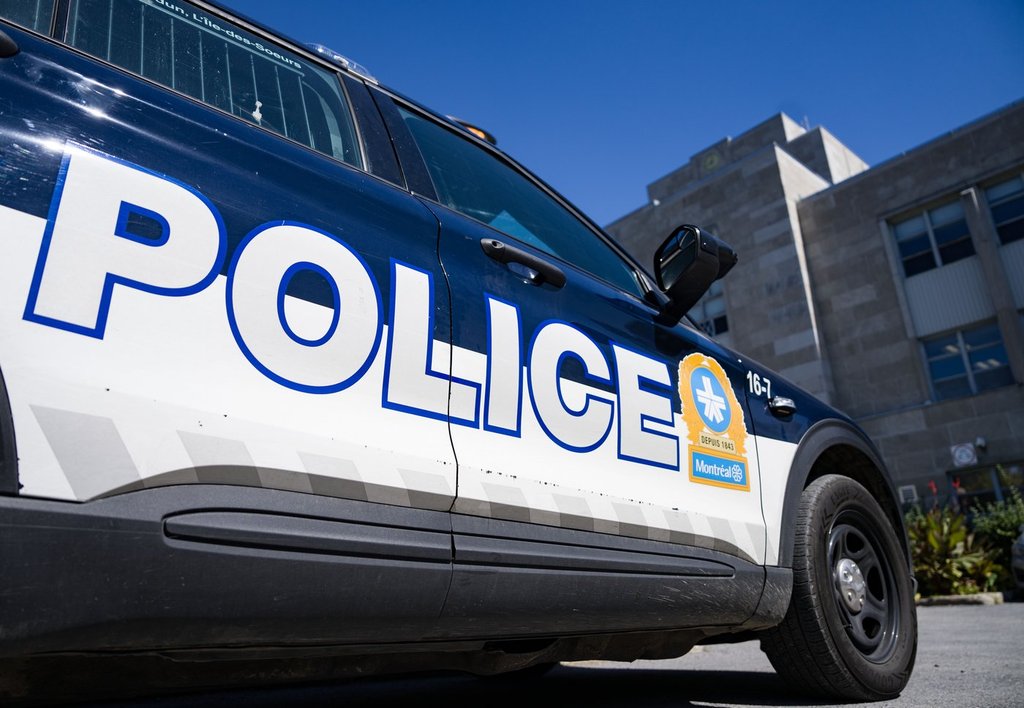
Two former Montreal police officers are facing criminal charges following a sprawling internal misconduct investigation. Most coverage treats this as an isolated story about bad apples getting caught. It isn't.
If you've followed law enforcement accountability in Quebec over the past decade, you know getting a criminal warrant issued against a municipal officer is notoriously rare. Administrative suspensions happen. Quiet transfers happen. Actual criminal charges for breach of trust and assault, laid after the department already fired the officers, signal a massive fracture inside the Service de police de la Ville de Montréal (SPVM).
What Happened in the Montreal Police Misconduct Investigation
On November 21, 2026, the SPVM arrested two of its own recently dismissed officers after Quebec's Crown prosecutor's office, the Directeur des poursuites criminelles et pénales (DPCP), authorized warrants. Court records identify the accused as Zachary Belzil, 25, and Vincent Routhier, 24.
Both men face charges of assault and breach of trust. Belzil faces an additional count of criminal harassment. According to the arrest warrants dated November 19, the alleged offenses took place between September 2025 and June 2026. Both men were released on a promise to appear and are scheduled to stand before a judge at the Montreal courthouse on December 8, 2026.
Those two arrests didn't stay isolated for long. Just days later, on November 25, the DPCP laid an assault charge against a third former officer from the exact same precinct. A modified arrest warrant identified him as Youcef Boumsied, 33, tied to an alleged incident on August 31, 2024.
None of these allegations have been proven in court. That's the baseline legal reality. Yet the timeline leading up to these handcuffs tells a much bigger story about what was happening inside Station 39 in Montréal-Nord.
Inside the Station 39 Scandal and the November Firings
You can't separate these criminal charges from the mass firing Chief Fady Dagher announced on November 2, 2026. Seven officers lost their jobs that day. Five worked out of Station 39 in Montréal-Nord. Two worked out of Station 21 downtown.
Why did Dagher move so fast?
Internal complaints first landed on investigators' desks in March 2026. Those complaints didn't describe routine procedural slip-ups. They alleged systemic racism, discrimination, and targeted criminal acts by members of a specific patrol unit at Station 39. By June 2026, the department took the drastic step of dismantling that entire patrol unit.
Chief Dagher has publicly confirmed some of the disturbing allegations under review. Investigators received claims that officers forcibly cut the hair—specifically locs—of racialized civilians and kept the hair as trophies. Think about that for a second. That isn't a split-second use-of-force error during a chaotic arrest. Cutting someone's hair and keeping it requires premeditation, a sense of total impunity, and a workplace culture where nobody around you stops it.
Meanwhile, downtown at Station 21, separate allegations surfaced involving vulnerable and unhoused citizens. Reports emerged claiming one officer urinated on a homeless person while on duty, and another posed for mocking photos next to a suspect placed in a humiliating position during an arrest. Dagher pushed back on parts of the urination report during his November 2 briefing, stating the SPVM's internal probe found no evidence an officer urinated on a human being, though he admitted an officer committed a "despicable act" of a similar nature not directed at a person.
By November 26, the fallout widened again when the SPVM suspended yet another downtown Station 21 officer over alleged inappropriate conduct toward a vulnerable person.
How Administrative Firings Differ From Criminal Charges
Many people assume getting fired by a police department and getting charged with a crime are part of the same mechanism. They aren't. They run on completely separate tracks with totally different burdens of proof.
When Chief Dagher dismissed those seven officers in early November, he used an administrative procedure. Specifically, the department revoked their security clearances. In Quebec policing, if you lose your security clearance, you can't legally hold the job. That administrative track moves faster because the threshold is a balance of probabilities—basically, whether internal investigators believe the misconduct more likely happened than not.
Criminal charges require proof beyond a reasonable doubt. The SPVM's Division des normes professionnelles (professional standards division) gathers the evidence, hands the file over to the DPCP, and independent Crown prosecutors decide whether there's enough solid proof to secure a conviction in criminal court.
Here's why that distinction matters to you as a taxpayer or Montreal resident:
- Union pushback happens on the administrative side. The Fraternité des policiers et policières de Montréal—the powerful police union—has already vowed to contest the November 2 firings. Arbitration over wrongful dismissal can drag on for years, and fired officers sometimes win their jobs or back pay back.
- Criminal convictions bypass union arbitration. If Belzil, Routhier, or Boumsied are convicted of breach of trust or assault in criminal court, no labor arbitrator can easily force the city to put them back in uniform.
- Breach of trust carries serious weight. Under Section 122 of Canada's Criminal Code, breach of trust by a public officer carries a maximum penalty of five years in prison. Prosecutors don't tack that charge onto an assault file unless they believe the accused actively weaponized their badge and state authority to harm someone.
Why Community Advocates Say Arrests Are Only Step One
When the arrests were announced, civil rights leaders in Montreal reacted with cautious relief rather than celebration. Fo Niemi, executive director of the Center for Research-Action on Race Relations (CRARR), called the warrants reassuring. Alain Babineau, a former RCMP officer who leads the Red Coalition, agreed the arrests were a positive step, though he warned they represent "only a beginning".
Babineau pointed straight at the root mechanism that enables abuse in boroughs like Montréal-Nord: street checks.
For years, independent reports commissioned by the city of Montreal itself have documented severe racial disparities in how SPVM officers conduct street checks—stopping, questioning, and documenting citizens without a specific criminal investigation underway. Indigenous and Black Montrealers are stopped at rates wildly disproportionate to their share of the population.
When patrol units operate with broad discretionary power to stop young men on the street without concrete reasonable grounds, bad actors get cover. Every interaction starts with an assertion of dominance. Without body-worn cameras—a rollout the SPVM has delayed, debated, and piloted for years while other major North American cities made them standard—proving what happened during a street stop comes down to a civilian's word against two uniformed officers.
In the Station 39 case, internal complaints broke the wall of silence. That's rare. Police culture notoriously punishes whistleblowers. The fact that fellow officers or staff reported the conduct in March 2026 suggests the behavior inside that dismantled unit crossed a line even insiders couldn't stomach.
What You Should Watch as These Cases Move Through Court
Don't expect instant verdicts. Quebec's criminal court system moves slowly, and defense lawyers representing former police officers routinely file disclosure motions and constitutional challenges that stretch proceedings out over 12 to 24 months.
If you want to track whether real accountability happens—or if this scandal quietly fades out of the headlines—keep your eyes on four specific developments:
- The December 8, 2026 arraignment. Belzil and Routhier are scheduled to appear at the Montreal courthouse. Watch whether Crown prosecutors proceed by indictment (which treats the offenses as serious crimes with stiffer penalties) or by summary conviction.
- Additional warrants from the remaining fired officers. Seven officers were fired on November 2, and three have been criminally charged so far. The SPVM's professional standards division confirmed other criminal investigations remain active. Watch for announcements regarding the remaining four dismissed officers—especially the two from Station 21.
- Quebec's Ministry of Public Security probes. Quebec's domestic security minister ordered two separate external investigations into the Station 21 allegations involving unhoused people. External ministerial inquiries carry broader power to recommend systemic policy changes than narrow criminal trials do.
- The police union's grievance timeline. Keep track of whether the Fraternité des policiers et policières de Montréal delays labor arbitration until the criminal trials conclude, or tries to force reinstatement hearings early.
If you live in Montreal and ever experience or witness police misconduct, document everything immediately. Write down badge numbers, patrol car numbers, exact times, and street intersections while your memory is fresh, and collect contact info from bystanders before they walk away. You can file formal complaints directly with Quebec's Police Ethics Commissioner (Commissaire à la déontologie policière) within one year of an incident, or reach out to local advocacy groups like CRARR or the Red Coalition for help navigating the legal paperwork. Accountability only sticks when public pressure stays on long after the initial press conferences end.