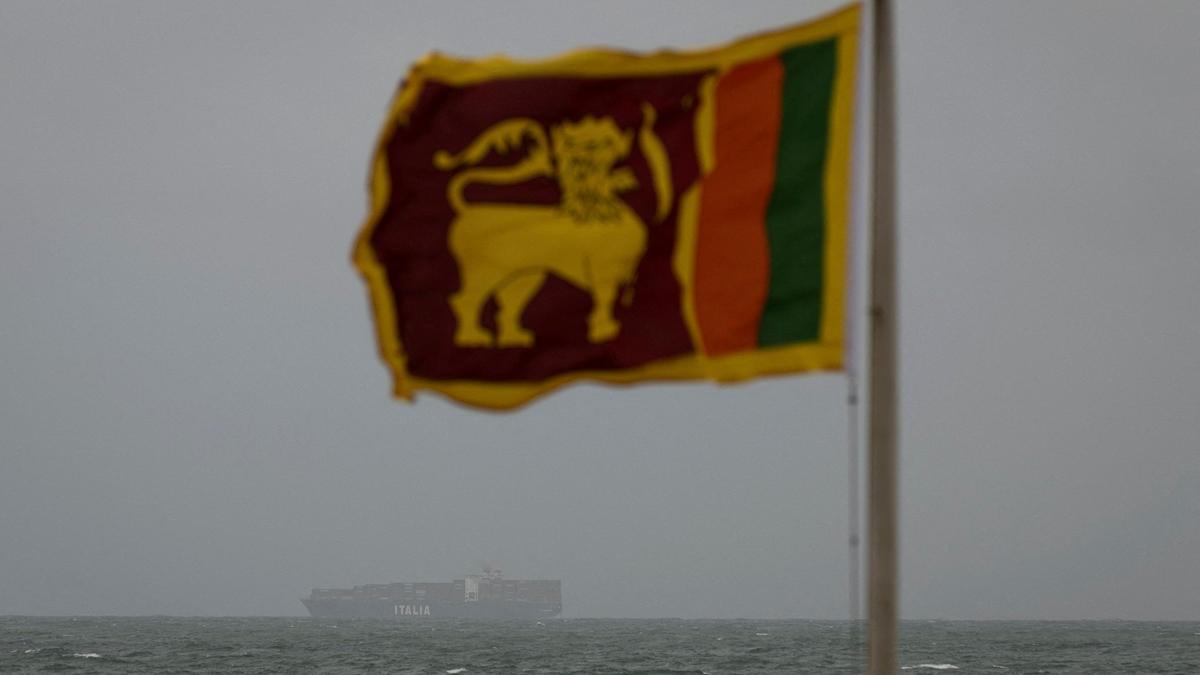
Sri Lanka just threw a massive wrench into the global economic narrative. Anyone watching South Asia knew things were fragile, but nobody expected the Central Bank of Sri Lanka (CBSL) to do what it just did. Policymakers blindsided financial markets by hammering down a massive 100 basis-point interest rate hike.
The Overnight Policy Rate jumped instantly from 7.75% to 8.75%. Most analysts expected a minor 25 basis-point adjustment or nothing at all. Instead, the central bank opted for its biggest aggressive move in four years. For another perspective, see: this related article.
Why the sudden panic? Look straight at the Middle East. The escalating war involving Iran has sent shockwaves across the Indian Ocean. For a nation that relies entirely on imported fuel, the geopolitical fallout hit like a sledgehammer. The Sri Lankan rupee has been buckling, inflation is creeping back from the dead, and the country's fragile recovery from its historic 2022 default is suddenly facing its biggest test yet.
The Brutal Reality of the Energy Shock
If you want to understand why Governor P. Nandalal Weerasinghe pulled the emergency brake, look at your local fuel station in Colombo. The conflict has severely disrupted global energy channels, driving up oil prices and forcing Sri Lanka to implement a brutal 40% hike in domestic fuel costs. Similar coverage on this trend has been shared by Reuters Business.
Things have gotten so tight that the government had to resort to fuel rationing and even declaring Wednesdays as public holidays to keep people off the roads and save energy.
When energy costs spike that fast, it bleeds into everything else. Annual inflation, which sat at a comfortable 2.2% back in March, ballooned to 5.4% in April. Sure, it is nothing like the terrifying 70% hyperinflation peak the island endured during the height of the 2022 financial crisis. But it is moving in the wrong direction, fast.
http://googleusercontent.com/image_content/207
The central bank realized that if they didn't act now, short-term inflation expectations would de-anchor. When people expect things to get more expensive tomorrow, they hoard and spend today, creating a self-fulfilling prophecy. This outsized rate hike is a direct attempt to crush that mentality before it takes root.
Why the Rupee is Bleeding
The energy crisis is only half the battle. The other half is a brutal currency defense. Since early March, the Sri Lankan rupee has tumbled 8.7% against the US dollar.
When a country imports all its oil, it has to buy that oil in greenbacks. As global oil prices surged due to the Iran conflict, Sri Lanka's merchandise trade deficit widened rapidly in the first quarter of 2026. Suddenly, the country was burning through dollars just to keep the lights on, wiping out the progress made from resilient worker remittances.
Sri Lankan Rupee vs US Dollar (Since March 2026): ~8.7% Depreciation
Gross Official Reserves (End of April 2026): USD 6.8 Billion
Local importers started panicking, rushing to buy up dollars quickly before the rupee dropped further. Exporters began holding back their foreign currency earnings, waiting for a better conversion rate. This speculative cycle quickly turned into a death spiral for the currency. By raising the policy rate to 8.75%, the CBSL effectively increased the cost of borrowing local currency, making it much harder for speculators to short the rupee.
The High Cost of Stability
Let's not sugarcoat what this means for ordinary people and local businesses. A higher policy rate means the central bank's printed money window now charges cash-short commercial banks 9.25% instead of 8.25%. That cost gets passed directly to you.
If you are a business owner in Sri Lanka trying to rebuild after the 2022 crash, your cost of capital just skyrocketed. Mortgages, business loans, and lines of credit are going to hurt. Private sector credit expansion was moving too fast, fueling import demand that the nation's USD 6.8 billion in gross official reserves simply couldn't sustain alongside foreign debt servicing.
The stock market felt the blow immediately, dropping 0.8% right after the announcement. It's a classic economic trade-off. The central bank is intentionally slowing down domestic growth to save the currency and stop inflation. It's a bitter pill to swallow, especially when the scars of the last economic collapse are still fresh.
What Happens Next
The CBSL made it clear that they aren't playing games. They have committed to domestic price stability, even if it means choking off some economic momentum. The next monetary policy review is locked in for July 22, 2026. Between now and then, all eyes are on the Middle East and the domestic inflation metrics.
If you are running a business or managing investments tied to the region, here is how you need to navigate this environment.
- Lock in fixed borrow rates: Variable-rate debt is going to get punishingly expensive very quickly as commercial banks adjust to the 100-bp hike.
- Conserve dollar liquidity: The external sector remains under immense pressure. Expect tighter import monitoring and potential further structural interventions if the rupee doesn't stabilize soon.
- Watch the energy inputs: With Wednesday holidays and active rationing, operational supply chains need to be optimized for maximum energy efficiency.
This shock hike proves that emerging markets no longer have the luxury of waiting out global geopolitical storms. Sri Lanka chose to take its medicine early. Now, the country has to wait and see if the cure is worse than the disease.