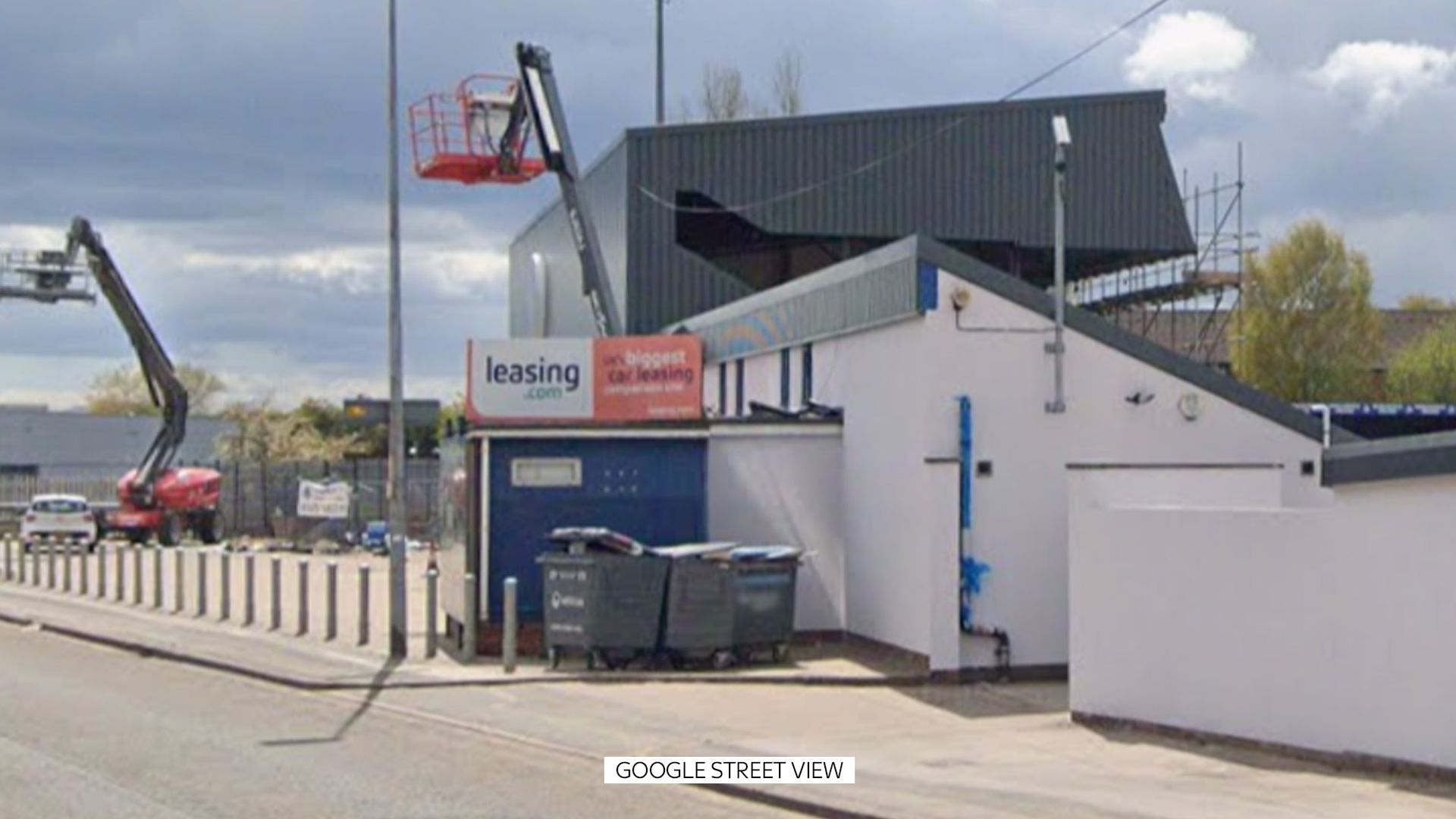
The smoke hasn’t even cleared from the latest "suspected arson" at a football stadium before the usual script begins. Police cordons go up. Club owners issue somber statements about "senseless acts of violence." Local news outlets run segments on the "heart of the community" being ripped out.
It’s a tired, lazy narrative.
Labeling stadium fires as mere acts of random criminality ignores the structural rot in modern football. We are told these incidents are outliers. I’ve spent fifteen years analyzing the intersection of sports infrastructure and fan sociology, and I can tell you: these fires are rarely random. They are the inevitable result of a sport that has systematically priced out its soul and replaced it with a sterile, corporate theater that fans no longer feel they own.
The Myth of the Mindless Hooligan
The "lazy consensus" argues that arson is the work of a few "bad apples" or bored teenagers with a lighter. This dismissal is dangerous. It prevents us from asking the only question that matters: Why would someone burn down the place they supposedly love?
In the classic era of football, the stadium was a cathedral. Not because it was fancy—most were crumbling concrete deathtaps—but because it was a shared space. Today, stadiums are real estate assets. They are leveraged to the hilt by private equity firms and offshore owners who couldn’t find the penalty box with a map. When you turn a community hub into a high-yield investment vehicle, you strip away the psychological barrier that prevents vandalism.
People don't burn down their own homes. They burn down the bank that’s foreclosing on them.
The Financial Incentive of a Controlled Burn
Let's talk about the "insurance job" elephant in the room. In my time consulting for mid-tier European clubs, the whispered conversations in the boardroom often revolve around the prohibitive costs of upgrading aging stands to meet modern safety regulations.
If a stadium is designated a "heritage site" or has restrictive zoning laws, the cost of demolition and reconstruction can be astronomical. A convenient fire simplifies the bureaucracy. It’s a cynical take, but in a multi-billion dollar industry where clubs are bleeding cash to pay agents, a "suspected arson" can be a strategic pivot for a developer looking to build luxury flats where the north stand used to be.
Security is a Performance Not a Solution
Every time a flare makes it into a ground or a seat is set alight, the immediate outcry is for "more security." More CCTV. More biometric scanning. More heavy-handed stewarding.
This is security theater at its most expensive and least effective.
- The Inverse Proportionality of Policing: The more you treat fans like inmates, the more they behave like them. Heavy-handed policing creates an adversarial environment that actually encourages subversion.
- The Failure of Technology: We have 4K cameras that can read the brand of a watch from 200 yards away, yet "suspected arsonists" remain unidentified for weeks. Why? Because the tech is designed for liability coverage, not prevention.
- The Human Factor: Stewards are often paid minimum wage and given four hours of training. Expecting them to be a front-line defense against a motivated arsonist is a joke.
I’ve sat in security briefings where millions were spent on facial recognition while the perimeter fences had holes large enough to wheel a gas canister through. The industry isn't interested in safety; it’s interested in the appearance of safety for the benefit of the league's broadcast partners.
The Gentrification of the Terrace
The media loves to mourn the "loss of history" when a stadium is damaged. But the history was already gone.
The move toward "all-seater" stadiums—while a necessary reaction to the tragedies of the 1980s—was also used as a convenient excuse to hike ticket prices. By eliminating the cheap, standing-room-only terraces, clubs successfully sterilized the atmosphere. They traded the passionate, local working class for the "prawn sandwich brigade" and tourists.
When you remove the local stakeholders—the people whose grandfathers stood on those same bricks—you remove the self-policing mechanism of the crowd. In the 1970s, if someone tried to start a fire in the home end, the fans around them would have dealt with it before the police even moved. Today, everyone just pulls out their phone to film it for TikTok.
Dismantling the "Community Asset" Lie
"People Also Ask" online: How do stadium fires affect the local economy?
The honest answer? They usually don't. Most modern football clubs are parasitic on their local economies. They take public subsidies for infrastructure, pay players who funnel money into offshore accounts, and provide low-wage, seasonal employment for locals. The "loss" of a stadium is often a net gain for a city if it means the land can finally be used for something that actually serves the residents 365 days a year, rather than 25 matchdays.
The Insurance Crisis Nobody Is Talking About
As these incidents increase, the insurance premiums for lower-league clubs are skyrocketing. We are approaching a tipping point where many historic clubs will become uninsurable.
- Risk Assessment: Actuaries are now looking at fan volatility as a primary risk factor, alongside the age of the structure.
- The Coverage Gap: Many clubs have "stated value" policies that haven't been updated in a decade. If their stadium burns, the payout won't even cover the cost of clearing the rubble, let alone rebuilding.
- The Exit Strategy: For owners looking for a way out of a failing club, an uninsurable stadium is the perfect excuse to fold the business and sell the land.
Stop Fixing the Stadium and Start Fixing the Sport
If you want to stop stadium arson, stop buying more fire extinguishers. Start giving fans a reason to care if the building stands or falls.
This means:
- True Fan Ownership: Not the "fan advisory boards" that act as PR shields for owners, but actual equity. If a fan owns 1% of the stadium, they won't let someone burn it down.
- Price Caps: Make the stadium accessible to the local community again. A stadium should be a neighborhood asset, not an exclusive club for the wealthy.
- De-Commercialization: Reduce the reliance on betting partners and global brands that treat the stadium like a billboard.
The fire at the stadium isn't the problem. The fire is the signal. It’s the smoke from a bridge that has been burning between clubs and their communities for thirty years.
You can rebuild a stand with bricks and mortar. You can't rebuild the loyalty you've spent decades lighting on fire for the sake of a broadcast deal.
Stop mourning the building. Start mourning the fact that we've made our stadiums so soulless that someone felt the only way to make them feel "alive" was to set them ablaze.


