Smoke.
It rises from wet concrete steps and dry mountain scrub long before the sun clears the ridge, carrying the sharp, unmistakable scent of sandalwood, scorched grass, and crisp roast skin into the cool autumn air. If you enjoyed this piece, you should read: this related article.
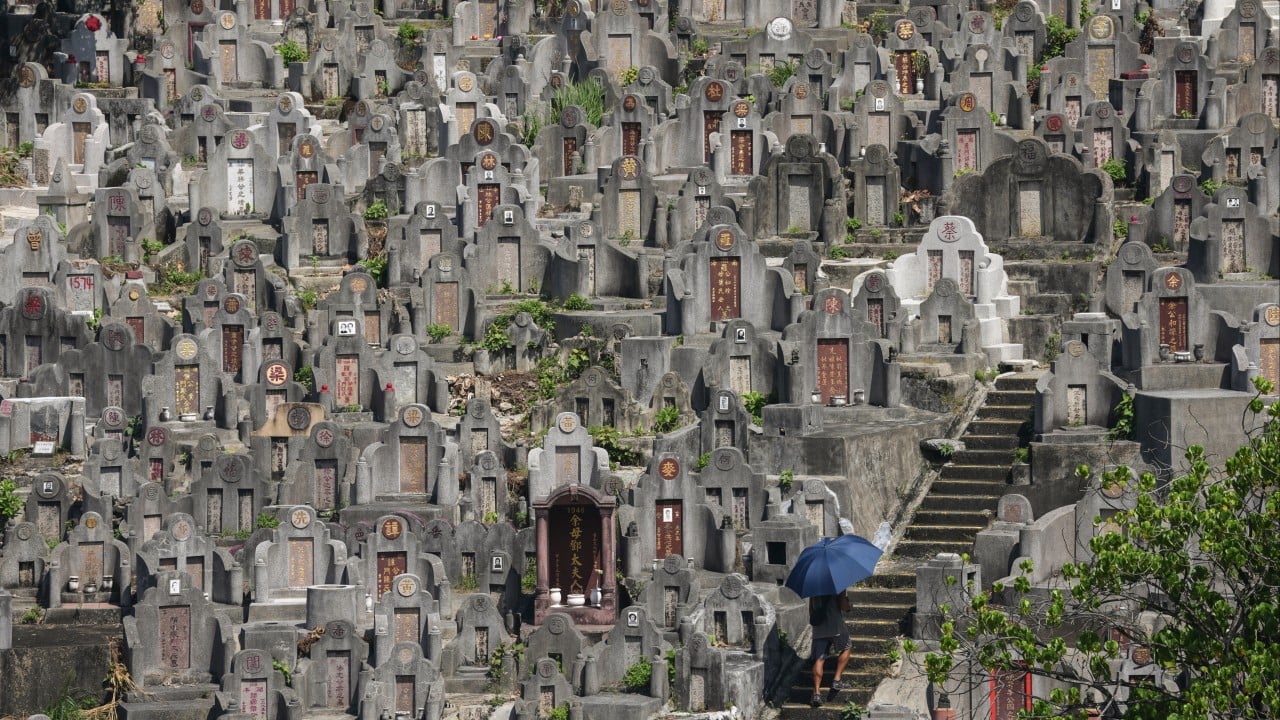
I have walked those narrow cemetery paths enough times to feel the ache in my calves before the climb even begins. My knuckles know the rough edge of a damp stone headstone. My eyes know the sight of a teenager holding a plastic bag of chrysanthemums while staring at a phone screen, wondering why a Sunday morning has to start with pruning shears and kneeling pads.
Chung Yeung—falling on the ninth day of the ninth lunar month—rarely makes headlines for grand philosophical debates. Most coverage treats it like a grocery list: chrysanthemums, roast pork, paper ingots, incense, and a public holiday. For another angle on this event, refer to the recent update from Apartment Therapy.
Lists are neat. Grief is not. Neither is memory.
When families haul boxes of food and bundles of folded foil up a hillside, they are not merely checking off ancient boxes. They are negotiating a quiet truce with time. In cities where apartments shrink, neighborhoods turn over every decade, and grandchildren grow up speaking languages their grandparents never learned, the hillside grave becomes one of the few fixed coordinates left on the map.
The Weight of a Folded Ingot
Watch someone fold a sheet of gold-and-silver joss paper into a plump ingot.
At first, the hands move awkwardly. The foil is thin, slippery, and stubborn. Crease it too hard and it tears; leave it too loose and it loses its shape before it ever reaches the metal barrel or stone burner.
There is no real wealth in folded paper. Everyone knows that. Nobody walks away from a cemetery believing a ledger entry in the afterlife has been updated by a handful of ash swirling upward in a breeze.
So why do people keep folding?
Think of it as a physical receipt for love that no longer has an address. When someone you love dies, the hardest part is not always the sorrow itself—it is the sudden silence of utility. You can no longer bring them soup when it rains. You cannot send them a link or fix their Wi-Fi or ask what they want for dinner. Care loses its target.
Folding paper ingots gives care back its hands.
In historical terms, Chung Yeung reaches back to the Han dynasty, intertwined with tales of escaping calamity by climbing to high ground and drinking chrysanthemum wine. Over centuries, Daoist and Buddhist practices blended with Confucian filial piety, turning the ninth day of the ninth month into an autumn counterpart to Ching Ming in spring. Where Ching Ming often carries the heavy, raw weight of recent loss or spring renewal, Chung Yeung arrives in the crisp turn of autumn—a season already whispering about endings, harvest, and endurance.
What does a family actually put on the stone slab?
Usually, fresh flowers—often chrysanthemums, long tied to longevity and resilience, alongside other blossoms chosen simply because the deceased liked color. Roast pork is a staple, glossy and savory, offered as a mark of abundance and respect, then sliced up afterward so the living can eat together rather than leave good food to waste. Fruit, tea, small cups of liquor or wine, and sticks of incense complete the spread. Alongside them sit the paper offerings: ingots, hell bank notes, sometimes folded paper clothes or houses, all meant to be released through fire into smoke.
I remember standing beside an elderly uncle years ago as flames licked a stack of yellow-and-gold paper. Ash drifted onto his dark trousers. He brushed it off without looking down and muttered that his late wife had always complained about drafts in winter. "Better to send a little extra warmth," he said, half-joking, half-serious.
That half-seriousness is where the truth lives. Most people holding incense during Chung Yeung do not live in rigid superstition. They live in a tender, practical middle ground: Just in case. Because it feels right. Because this is how we say you still matter.
A Hypothetical Morning on Diamond Hill
To see how fragile—and stubborn—this tradition really is, picture a hypothetical morning on a steep hillside cemetery in Hong Kong. Call this family the Chans. They are invented for this story, though their arguments and small gestures echo thousands of real households across Hong Kong, Macau, Guangdong, and overseas Chinese communities.
Arthur Chan is forty-two, a logistics manager whose knees complain every October. Beside him is his twelve-year-old daughter, Chloe, wearing sneakers meant for flat pavement rather than mossy stone steps. Ahead of them climbs Arthur's mother, seventy-one, moving slowly with a canvas tote bag that weighs more than it looks.
For the first twenty minutes, nobody talks much. The path is steep, slick with fallen leaves and damp from overnight mist. A few yards ahead, another group pauses to catch their breath. Somewhere below, traffic hums along a road that looks like a toy track from the slope.
When they reach the family plot, the real work starts.
Weeds have crept around the border stones. Fallen pine needles blanket the ledge. Chloe takes a small brush and sweeps dust off the inscription—names carved cleanly into granite, dates marking lives that started in small villages or crowded tenements and ended in hospital wards.
"Why do we burn so much paper?" Chloe asks, squinting through thin smoke drifting from a nearby burner. "Doesn't it pollute the air?"
Arthur hesitates. It is a fair question, and dodging it with a stern lecture only makes tradition feel like a chore.
"It does make smoke," Arthur admits. "And in dry weather, stray sparks can even start brush fires on the hills. That's why authorities remind people to use designated bins and watch the wind."
His mother sets down a bundle of chrysanthemums and a box of roast pork. "Your grandfather worked on docks for thirty-five years," she tells Chloe softly. "He never had enough money saved when he got sick. When we burn paper for him, we're saying, You don't have to count pennies anymore."
Chloe looks at the glowing embers in the burner, then back at her grandmother. She does not suddenly become a devout traditionalist on the spot. A twelve-year-old does not rewrite her worldview in ten minutes on a hillside. Yet the ritual stops looking like a weird museum piece. It becomes a translation—turning an old immigrant fear of scarcity into a gesture of generosity.
Notice what happens next in our hypothetical scene. After bowing three times, offering incense, and pouring a little tea, the Chans do not linger in heavy silence. They pack up the roast pork and fruit, walk down toward a shaded bench or head home, and share the food.
That shared meal is easy to overlook in dry descriptions of Chung Yeung. In practice, it is the hinge of the whole day. Ancestor veneration is not only about looking backward into the grave; it is about pulling the living closer together around the table.
When Tradition Collides With Modern Life
Still, let's be honest about the friction.
Keeping Chung Yeung alive today is not effortless. High-rise living leaves no room for family altars in many modern apartments, and crowded cemeteries mean long queues, steep stairs, and strict rules around fire safety and litter. Younger generations often grow up far from the rural ancestral villages where these customs once had a clear rhythm. Some feel disconnected from the language of rituals; others worry about smoke, waste, or the cost of elaborate offerings.
There is also a quieter tension that rarely gets spoken aloud: what happens to families who have no grave to visit, or whose relatives are scattered across continents?
When a loved one is cremated and their ashes are scattered in a garden of remembrance, or when half the family lives in Toronto, Sydney, or London while the plot sits on a hillside in southern China, the classic script starts to fray. You cannot simply buy a box of roast pork on a Tuesday afternoon and pretend you are standing on the mountain path together.
Or can you?
One of the strengths of living traditions—unlike brittle rules—is how they bend without snapping. Across cities today, families adapt. Some visit a few days before or after the exact festival date to beat crowds. Some bring smaller bundles of offerings, opt for electric or low-smoke incense where permitted, or pair a morning grave visit with a family lunch that includes everyone's favorite dishes. Others mark the day with a quiet moment at a columbarium or a small home altar, keeping the core intention intact even when the geography changes.
If we treat tradition like brittle porcelain, every modern adjustment feels like failure. If we treat it like a river, it can change course and still carry the same water.
Why the Climb Still Matters
Climb enough hills in autumn and you start noticing who shows up.
You see middle-aged siblings who barely speak on the phone during the rest of the year standing shoulder to shoulder for ten minutes while incense burns down. You see adult children who moved away for work carefully wiping bird droppings off a stone tablet with a damp cloth. You see elders whose voices shake slightly as they speak to someone who has been gone twenty years, as if the distance between October and memory were only a few paces wide.
Why does that matter in a fast, noisy, hyper-connected world?
Because modern life trains us to move on quickly. Algorithms feed us novelty. Work demands constant forward motion. Grief, by contrast, refuses to run on a quarterly schedule. Love outlives people, and without spaces to honor that love, people often end up carrying it alone in private.
Chung Yeung gives grief and gratitude a shared calendar date. It says: Today, stop rushing. Climb the hill. Bring flowers. Bring good food. Remember who came before you.
You do not have to believe every literal detail of a folk tale to feel the steadiness in that rhythm. You only have to know what it feels like to miss someone—and to want a way to say their name out loud without feeling foolish.
As the morning wears on, the smoke thins out against the blue sky. Footsteps crunch back down the stone stairs toward the city below, carrying empty baskets, warm takeout containers, and stories told on the walk down. High on the slope, a few bright yellow chrysanthemums stay behind against the gray stone, catching the wind.