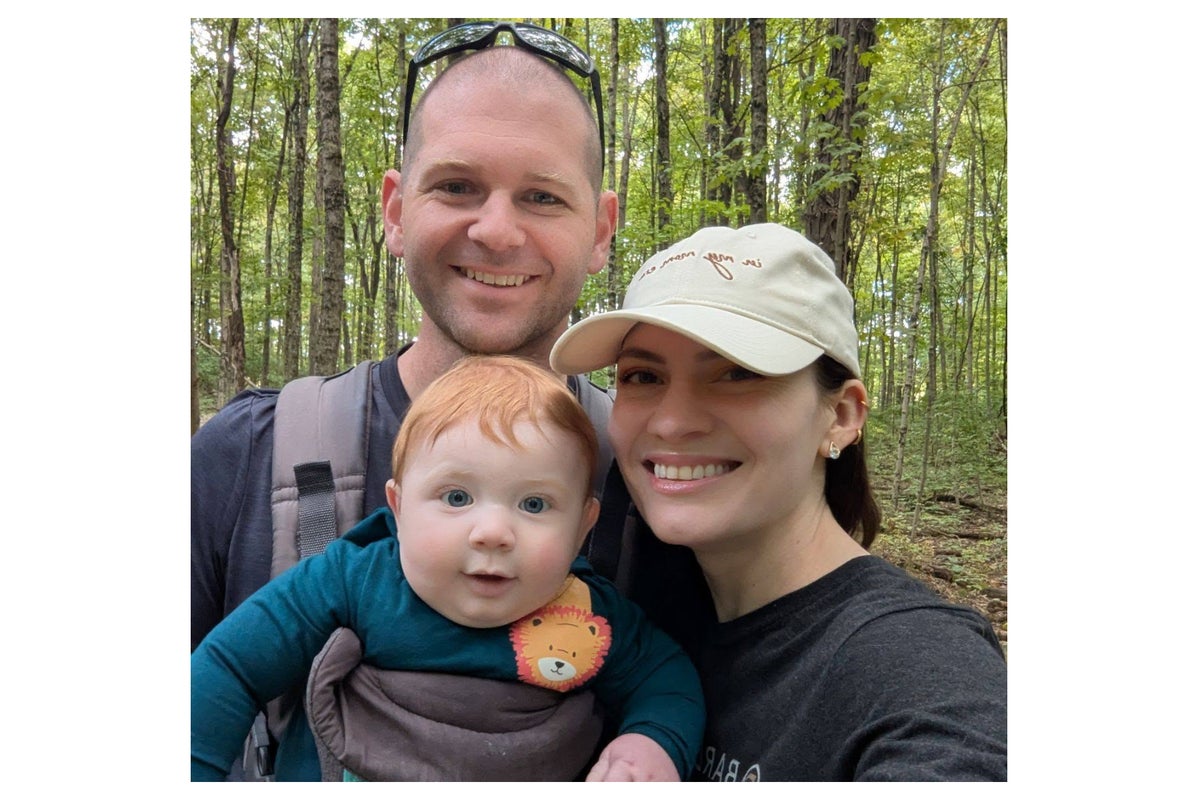
Every time a horrific headline drops about an eight-year-old child left freezing and broken in a forest, the media machine spins up the exact same outrage loop. We get the same performative gasps, the same digital pitchforks, and the same lazy consensus that a single monster parent is the sole glitch in an otherwise pristine matrix.
It is a comforting lie. It lets us pretend society is safe, stable, and sane. You might also find this related coverage interesting: Why Mail In Voting Chaos is the Best Thing That Could Happen to American Elections.
The lazy narrative says this crime is an anomaly of pure evil. It treats the mother as a lone wolf who woke up one Tuesday and decided to invent cruelty. But anyone who has spent a week looking under the hood of child welfare, social services, and community mental health knows the truth. Monsters are rarely manufactured in a vacuum. They are forged in the slow-motion collapse of institutional support networks that watch families break down piece by piece and refuse to intervene until blood is spilled.
We love to point at the individual because it absolves the collective. If she is just a bad person, the state is off the hook, the neighbors are off the hook, and the economic pressures grinding families into powder are completely invisible. As extensively documented in latest coverage by The New York Times, the results are worth noting.
Let us look at the mechanics of failure.
The Myth of the Snap Decision
When a headline screams about a cruel punishment gone too far, the public assumes a sudden flash of malice. Human behavior does not work that way. Severe child abuse is almost never a sudden explosion. It is a slow, grinding erosion of parental capacity compounded by total isolation.
I have watched systems fail families from the inside. I have seen parents wave red flags that look like neon signs to anyone with half an eye, begging for respite care, mental health stabilization, or basic financial breathing room. They get bureaucratic silence, three-month waiting lists, and overworked caseworkers handling caseloads three times higher than humanly sustainable.
When you strip away every safety net, isolate a struggling caregiver, and offer zero tools for managing severe behavioral challenges or chronic stress, you create a pressure cooker. Pretending that the explosion is entirely detached from the design of the kitchen is intellectual cowardice.
Why Outrage is Cheap and Solutions are Expensive
Digital mobs demand blood. We want maximum sentences, moral condemnation, and a return to polite ignorance until the next tragedy occurs. This is an efficient way to feel righteous while changing absolutely nothing.
The hard truth is that punishing one broken person does not fix a broken environment. If we genuinely want to stop children from being abandoned in freezing woods, we have to stop treating parenting as an isolated private enterprise where failure is punished by public stoning rather than prevented by proactive intervention.
Other nations treat family support as public infrastructure. They embed mental health professionals in schools, provide universal respite care for struggling parents, and treat child neglect not as a moral failing exclusively, but as an emergency indicator of systemic failure.
We do none of that. We underfund social services, demonize government intervention until a tragedy happens, and then act shocked when a stressed, unsupported adult snaps under the weight.
The Uncomfortable Admission
There is a downside to this perspective. It removes the easy satisfaction of righteous anger. It forces us to look in the mirror and admit that our societal obsession with hyper-individualism—the toxic idea that every family unit must function as a self-contained island with zero external support—is a lethal ideology.
Blaming the monster in the headlines is easy. Dismantling the conditions that create them requires actual work, tax dollars, and a fundamental rewiring of how we view community responsibility.
Until we stop treating child abuse as a purely moral anomaly and start treating it as a predictable symptom of systemic abandonment, we are just waiting for the next forest, the next child, and the next cycle of fake outrage.
Turn off the outrage machine. Fix the infrastructure. Or accept that you are fine with the status quo.