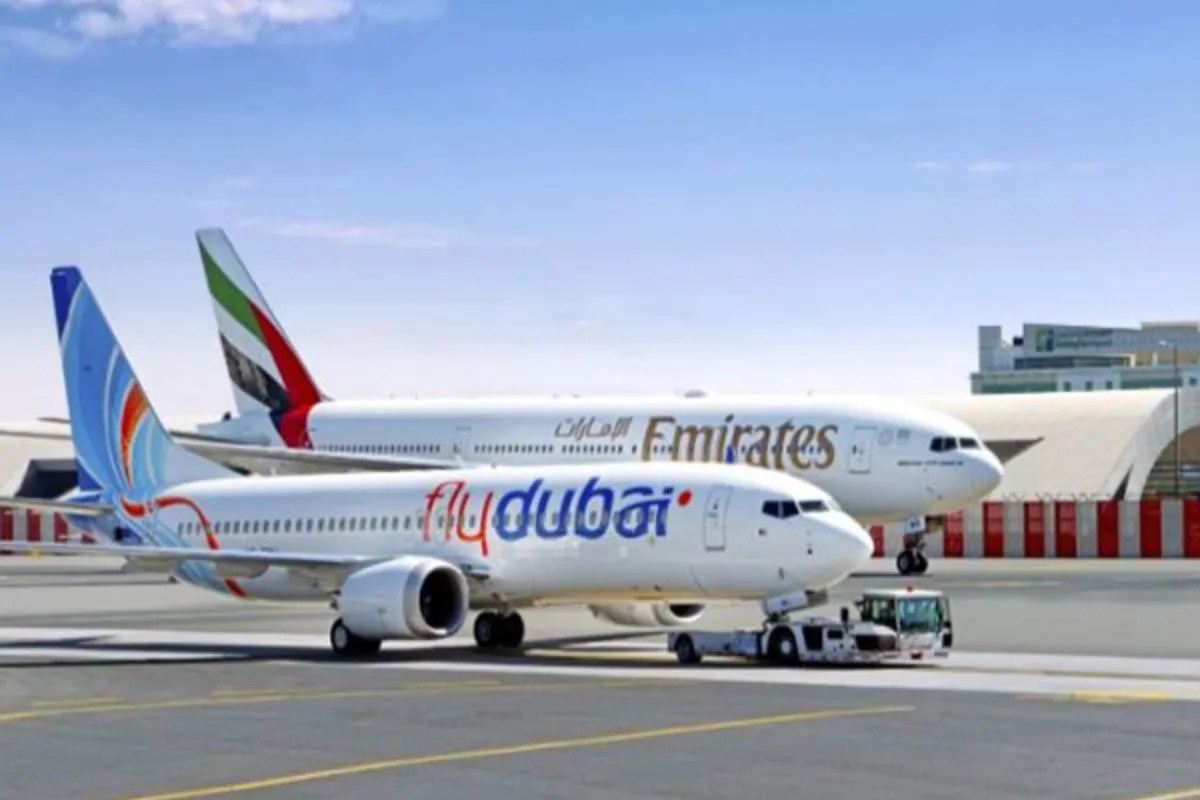
The headlines are pathetic. Airline executives from low-cost carriers and legacy flag-shipped giants alike are hiding behind a tired scapegoat. Following recent turbulence and cockpit incidents involving regional players like FlyDubai alongside hand-wringing commentary from Ryanair and Lufthansa figureheads, the executive suite narrative is unified: human error is an unavoidable tax on flight. You will hear them say that rogue or panicked pilots cannot be fully shielded against, that the sheer unpredictability of human biology under high stress renders absolute safety impossible.
It is a convenient lie.
I have spent decades watching boardrooms deflect operational incompetence onto frontline workers. Shifting the blame to individual pilots when things go sideways is the oldest trick in commercial aviation. It protects stock prices, deflects regulatory scrutiny, and preserves broken training pipelines. The lazy consensus says we must accept a baseline of erratic human failure because meat sacks are flying the tubes.
That premise is absolute garbage.
Pilots are not failing because they are inherently unhinged or unpredictable. They are failing because the modern airline industry has systematically engineered an environment where systemic failure is inevitable, and then blamed the guy holding the yoke when gravity wins.
The Myth of the Unfixable Human Element
Let us look at how the legacy aviation complex defines pilot error. When an incident occurs, the post-mortem often points to mismanaged energy states, poor communication under duress, or delayed decision-making. The executives throw their hands up and claim you cannot engineer away human panic.
That is complete nonsense. In any other high-stakes engineering domain, if an operator consistently fails under specific conditions, you do not blame the operator; you fix the interface, rewrite the constraints, and overhaul the training architecture.
Imagine a scenario where a software engineer deploys code that crashes a server every time network traffic spikes by forty percent. If the CEO goes on television and complains that programmers are just too emotional to handle traffic spikes, investors would riot. Yet in aviation, executives routinely deploy exhausted, under-trained flight crews into hyper-complex, automated cockpits with shrinking margins for error, and the public nods along when they claim human nature is untameable.
The truth is that modern flight decks are designed with a fundamental cognitive dissonance. Manufacturers build automated systems so complex that pilots are reduced to glorified babysitters for ninety percent of the flight, only to be expected to morph into elite fighter aces the moment an edge-case automation failure occurs. You cannot spend hours watching screens do the work and then instantly react with razor-sharp physical intuition when a sensor freezes at thirty thousand feet.
The executives know this. Lufthansa and Ryanair bosses whining about rogue pilots are really complaining about the Frankenstein monster they financed through decades of cost-cutting.
Dismantling The Low-Cost Safety Calculus
Let us address the economic engine driving this dysfunction. Low-cost carriers disrupted the market by stripping out fat, but they crossed the line from efficiency into predatory strip-mining of safety buffers.
When you squeeze turnaround times to twenty-five minutes, cut crew rest periods to the absolute legal minimum, and outsource training to the cheapest simulator provider on the continent, you are not running an airline. You are running a hedge fund with wings.
People ask: Can low-cost flying ever be genuinely as safe as legacy carriers without driving ticket prices through the roof?
The question itself is flawed. It assumes safety is a linear tax that scales purely with ticket price. It is not. Safety scales with systemic redundancy and organizational culture. Low-cost carriers have proven that you can slash ticket prices by optimizing asset utilization, fuel hedging, and direct-to-consumer booking channels without touching the flight deck. But when they started trimming maintenance shifts and pressuring captains to fly fatigued rather than delay a turn, they crossed into moral hazard.
I have seen operators shave millions off their operating budgets by pushing pilot schedules to the razor's edge of regulatory fatigue limits. Legally compliant does not mean operationally safe. A pilot flying their fourth leg of the day after a broken sleep in a noisy airport hotel is cognitively impaired to a degree that rivals mild intoxication. When that crew misreads an instrument approach in a blinding crosswind, the accident report will blame pilot error.
That is not pilot error. That is corporate manslaughter dressed up as an act of God.
What Real Accountability Looks Like
If we want to fix this industry, we have to stop treating pilots as disposable ignition components and start treating them as the final line of a defensive architecture that we are currently dismantling piece by piece.
Here is how you actually solve the problem, rather than whining about it on earnings calls:
First, overhaul flight deck automation philosophy. Stop designing aircraft that treat the pilot as a backup system for the computer. If an automation system requires a master's degree in computer science to override during an emergency, it is poorly engineered. Return manual flying skills to the core of initial training, not as an afterthought simulator session, but as a mandatory, recurring baseline.
Second, decouple scheduling from financial incentives. Any airline metric that penalizes a captain for delaying a flight due to fatigue or safety concerns is an active threat to public safety. Until airline executives face personal criminal liability for fostering a culture of operational intimidation, captains will continue to second-guess their own gut instincts under pressure from dispatchers breathing down their necks.
Third, embrace radical transparency in incident reporting. The current system encourages blame-shifting because insurance and liability shields dictate the corporate response. We need an open-source safety data exchange where human factors are analyzed not to find someone to fire, but to find the latent system design flaws that allowed the human error to occur in the first place.
The next time an airline CEO tells you that rogue pilots are an unavoidable cost of doing business, remember what they are really saying. They are telling you that their profit margins are worth more than your life, and they are hoping you are too distracted by the shiny corporate press release to notice who pulled the pin.