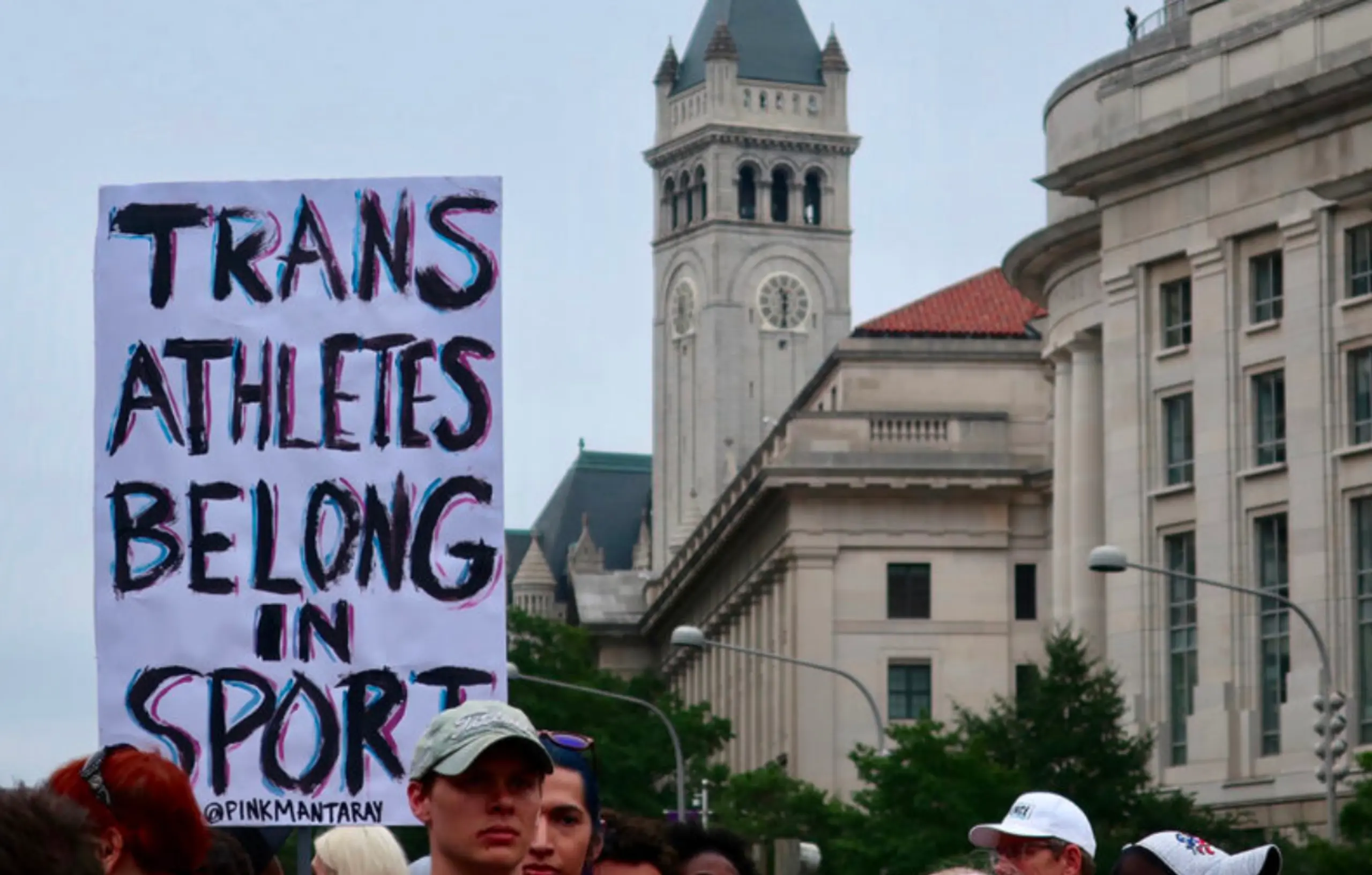
The lazy media obsession with equating every Olympian’s tweet to the 1968 Black Power salute is a historical insult. We have reached a point where any athlete expressing a partisan grievance against a sitting president is framed as a successor to Tommie Smith and John Carlos. It is a shallow, intellectually dishonest comparison that ignores the mechanics of risk, the shift in economic incentives, and the fundamental difference between fighting for human existence and engaging in a brand-management exercise.
When Smith and Carlos raised their fists in Mexico City, they weren't "starting a conversation." They were committing professional suicide. They were expelled from the Olympic Village within 48 hours. They returned to a country that greeted them with death threats and job blacklists. Today’s Winter Olympians—criticizing Trump-era policies or modern domestic agendas—are doing so in an environment where "dissent" is a curated asset. It is a line item on a sponsorship deck. If you enjoyed this post, you should read: this related article.
To compare the two is to confuse a life-altering sacrifice with a low-risk PR maneuver.
The Myth of the "Unified" Athlete Protest
The competitor narrative suggests a linear progression: 1968 broke the seal, and now athletes are finally "finding their voices" again. This is a fairy tale. The 1968 protest was a calculated, high-stakes gamble by the Olympic Project for Human Rights (OPHR). Their demands were specific: the restoration of Muhammad Ali’s boxing title, the removal of Avery Brundage (an avowed white supremacist) from the IOC, and a ban on South Africa and Rhodesia. For another angle on this event, check out the recent update from Bleacher Report.
Contrast that with the nebulous "resistance" seen in recent Winter Games. Modern protests are often individualistic and reactive. They aren't seeking to dismantle the governing bodies of sport; they are seeking to distance themselves from a specific political brand while remaining firmly entrenched in the commercial apparatus of the Olympics.
I have seen sports marketing agencies coach athletes on how to "be authentic" in their political stances. They look for the "safe" edge—the stance that alienates the fewest possible number of high-net-worth consumers while signaling enough virtue to secure a post-career gig as a commentator. Smith and Carlos didn't have a "post-career gig." They had a struggle for survival.
The Economic Shield of Modern Activism
The 1968 duo faced a monolith. The IOC and the USOC held all the power. If you were out, you were done. Today, the fragmentation of media and the rise of direct-to-consumer branding means that "protest" is actually a defensive strategy against irrelevance.
If a Winter Olympian criticizes an administration, they aren't risking their livelihood; they are securing their niche. In a polarized market, being hated by 50% of the population is fine as long as the other 50% buys your signature goggles. We are no longer seeing "protest" in the traditional sense; we are seeing market segmentation.
- Risk in 1968: Poverty, physical danger, total exclusion.
- Risk in 2026: A few mean tweets and a potential invite to a late-night talk show.
We need to stop pretending these risks are equivalent. By doing so, we strip the 1968 moment of its actual weight. We turn a radical act into a template for influencer marketing.
Why the "Winter Olympics" Context Matters (And Why It's Ignored)
The demographics of the Winter Games are fundamentally different from the Summer Games. Winter sports are historically high-barrier, high-cost, and overwhelmingly white. When media outlets try to mirror the 1968 racial justice struggle onto the grievances of Winter athletes, they are engaging in a form of demographic LARPing.
The struggles of a professional skier who disagrees with environmental policy—while valid—do not share the same DNA as a movement fighting for the basic civil rights of an entire race. When we use the same vocabulary to describe both, we dilute the meaning of "activist" until it becomes a synonym for "person with an opinion."
The IOC’s Hypocrisy is the Constant, Not the Protest
The real thread that connects 1968 to today isn't the athletes; it's the cowardice of the governing bodies. The International Olympic Committee (IOC) has spent 60 years trying to maintain the fiction of a "neutral" sporting arena while taking money from any regime with a checkbook.
In 1968, they used "neutrality" to punish Black athletes for demanding human rights. Today, they use "neutrality" to silence talk of modern geopolitical atrocities. The athletes aren't the ones mirroring 1968; the bureaucrats are. The IOC’s Rule 50—which forbids political, religious, or racial propaganda—is a relic designed to protect the "sanctity" of a product that has never been holy.
The Logic of the "Silent Majority" Fallacy
Critics of athlete activism often scream, "Stick to sports!" as if the athletes are the ones who politicized the games. This is the "lazy consensus" of the right-wing response. The Olympics have been political since 1936. To ask an athlete to be a silent pawn in a massive geopolitical chess match is asinine.
However, the "lazy consensus" of the left is that every athlete’s statement is a "brave" act of subversion. It’s not subversion if the NBC cameras are zooming in to capture the moment for a heart-tugging montage. It’s content.
If you want to know if an athlete is truly "protesting," look at what they are willing to lose. If they are willing to lose their spot on the podium, their sponsorship with a global sneaker brand, and their future in the industry, then you can talk to me about 1968. If they are just making a statement that their core audience already agrees with, they are just performing.
The Performance of Dissent
Real dissent is ugly. It is divisive. It makes people uncomfortable in ways that don't result in "likes."
When Smith and Carlos stood on that podium, they weren't looking for a "conversation." They were delivering an ultimatum. Modern athletes are often just participating in the "attention economy." They know that a controversial headline during the games is worth more than a gold medal in a niche sport that the public only watches once every four years.
This isn't to say their beliefs aren't sincere. It's to say that the structure of their dissent is built into the business model.
The Math of the Modern Protest
Let's break down the "cost-benefit analysis" of a modern Olympic protest:
- Audience Retention: 80% (Core fans will support regardless).
- Brand Alignment: High (Appeals to younger, socially conscious demographics).
- Institutional Penalty: Low (The USOPC has softened its stance significantly since 2020).
- Legacy Value: Infinite (Guarantees a "beyond the sport" narrative).
In 1968, the "Institutional Penalty" was 100% and the "Brand Alignment" was 0%. There were no brands. There was only the abyss.
Stop Asking the Wrong Question
The media keeps asking: "Is this the new 1968?"
The real question is: "Why are we so desperate to validate modern grievances by piggybacking on the trauma of the past?"
We do it because we want to feel like we are part of a grand, historical arc. We want to believe that complaining about a trade policy or a travel ban is the spiritual equivalent of fighting Jim Crow. It makes us feel more important. But it’s a lie.
If an athlete today wants to truly mirror 1968, they shouldn't just speak out against a politician. They should speak out against the Olympic machine itself. They should refuse to compete in a city built on displaced housing. They should call out the sponsors by name while wearing their gear. They should target the system that pays them, not just the politicians who don't.
But they won't. Because that would involve a real sacrifice. And in the modern Olympics, sacrifice is something we only talk about in the past tense.
Quit calling every public disagreement a "1968 moment." You’re not being insightful; you’re just being a bad historian. If you want to honor Smith and Carlos, stop using their names to validate people who are only risking a few followers.