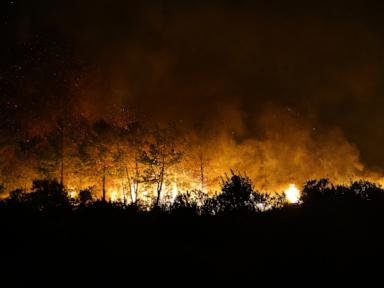
Every time a volunteer firefighter dies on a Mediterranean frontline, the global media runs the exact same script. We get the tragic photos, the weeping politicians, the hollow medals posthumously pinned to mourning chests, and the collective sigh of a public conditioned to accept volunteer attrition as the unavoidable cost of climate apocalypse.
It is a comforting narrative for people sitting in air-conditioned rooms thousands of miles away. It treats a structural engineering failure as an act of God.
When a volunteer firefighter dies in Turkey or Greece or California while battling an unmanageable wildfire, the standard response focuses on bravery, sacrifice, and the urgent need for more thoughts and prayers. This lazy consensus lets governments off the hook. It frames systemic operational negligence as heroic martyrdom. We do not need more fallen heroes. We need fewer obsolete firefighting models that treat human lives as disposable fuel.
The Myth of the Unstoppable Mega-Fire
The prevailing wisdom dictates that climate change has created monster fires so vast and violent that modern humanity can only watch them burn, deploy desperate volunteers with hand tools, and pick up the charred pieces afterward.
This is a dangerous cop-out.
Megafires do not happen because the weather is hot. They happen because decades of fire suppression have turned forests into matchboxes, and because municipal authorities refuse to spend money on heavy-lift aerial assets, permanent firebreaks, and professional year-round cadres. Instead, they rely on a rotating cast of untrained or underequipped volunteers who show up with backyard enthusiasm to fight a war using kitchen knives.
I have watched local authorities pinch pennies on preventative controlled burns for ten straight years, only to panic and throw an untrained civilian brigade into the teeth of a crown fire when the inevitable disaster strikes. We treat firefighting like an amateur community theater production where anyone can grab a shovel and step onto the stage.
Wildfires are physics problems. They are not supernatural beasts. If you throw people with inadequate PPE and zero tactical oversight at a wind-driven wall of embers, you are not mounting a defense. You are running a slaughterhouse.
The Volunteer Trap
Volunteering is noble in theory. In practice, municipal governments use the romance of volunteerism as an excuse to defund emergency services.
When you rely on unpaid citizens to handle complex, high-fatality crises, you institutionalize a lack of accountability. Professional fire services require rigorous physical standards, continuous tactical training, and strict adherence to safety protocols that dictate when to retreat. Volunteer units, particularly underfunded ones scrambling during peak fire season, often operate on adrenaline and peer pressure.
Nobody wants to be the person who backs away from a advancing flame front while their neighbors' houses burn. That cultural pressure forces well-meaning amateurs past their safety margins. They get flanked by shifting winds because they lacked thermal imaging gear or reliable radio communications.
The state saves money on payroll, and the public feels good about community spirit. Meanwhile, coffins come home wrapped in flags.
If a private corporation operated a factory with the safety standards, training deficits, and high fatality rates common in rural volunteer firefighting across the Mediterranean and the American West, the executives would be serving prison time. Yet when a government agency relies on unpaid amateurs to do high-risk industrial combat without proper infrastructure, we call it civic virtue.
Rewriting the Playbook
Fixing this crisis requires dismantling the romantic notions we hold about disaster response.
First, we must professionalize initial response forces. Every square mile of high-risk terrain needs full-time, salaried specialists whose primary job is fire mitigation and rapid containment during the golden hours before a blaze turns into an unmanageable monster. Volunteers should play a supporting role in logistics, evacuation, and mop-up operations, not front-line combat against wind-driven crown fires.
Second, we need to stop rewarding reactive heroics and start auditing preventative competence. If a regional government spends zero dollars on mechanical thinning, grazing management, and strategic firebreaks, but sheds tears when a volunteer dies, hold them legally liable for operational negligence.
Third, scrap the hand tools. Hand crews digging fire lines with pulaskis belong in the nineteenth century. When fuel loads are catastrophic, putting people on the ground without massive mechanical and aerial support is state-sponsored negligence.
We do not need another monument to a fallen volunteer. We need leaders who have the courage to stop treating human lives as a cheap substitute for proper funding, modern equipment, and intelligent forestry management.
Stop praising the sacrifice. Fix the system that requires it.