Every time a medical evacuation flight drops off a radar screen between Bermuda and Boston, the collective media reflex is identical. We get the breathless updates on Coast Guard cutter patterns, the solemn statements from operators, and the tragic memorials for pilots and flight medics who chased a distress call into the Atlantic dark.
Then the search ends. The cutters turn back. And everyone goes right back to pretending that aviation overwater medical transport is just a risky business where bad weather occasionally collects a toll.
It is a convenient lie.
The standard narrative treats these incidents as acts of meteorological violence, unavoidable tragedies engineered by rogue cold fronts and black-water squalls. That framing protects the status quo. It shields the operators, the regulators, and the financial structures that turn routine patient transfers into high-stakes gambles. If you want to know why experienced flight crews are ending up in fifty fathoms of water hundreds of miles off the North American coast, you have to stop looking at the altimeter and start looking at the balance sheet.
I have spent years watching regional carriers and specialized aviation contractors squeeze every drop of margin out of operations that have zero room for margin. When a medical transport company takes a contract for long-range oceanic legs—say, a patient stranded in Bermuda needing tertiary care in Boston—they are playing a game of brutal economics. The flight time is long. The fuel burn is punishing. The maintenance overhead on pressurized turboprops or light jets operating in salt-air environments is astronomical.
So how do operators make the numbers work? They trim the fat. They schedule aggressively. They lean on single-pilot operations where two sets of eyes should be mandatory. They push dispatch thresholds right to the legal edge of what an instrument rating and a tired crew can absorb.
When a plane goes down over the western Atlantic, the investigation usually zeroes in on spatial disorientation, icing, or catastrophic mechanical failure. Those are the symptoms, not the disease. The disease is an industry model that treats human lives on both ends of the flight as line items subject to cost-benefit optimization.
Look at the operational realities of the Bermuda-Boston corridor. It is roughly six hundred and fifty miles of open ocean. It sits beneath some of the most volatile weather tracks in the northern hemisphere. Jet streams compress, frontal boundaries stall, and sea-surface temperatures breed localized micro-storms that can overwhelm a cockpit in minutes. Flying a high-acuity medical mission into that corridor requires redundancy upon redundancy. It demands top-tier avionics, redundant power systems, well-rested flight crews who have not flown four legs already that week, and operators who possess the moral courage to tell a client that the weather is too foul to launch.
Instead, we have a system driven by dispatch pressure.
When a hospital in an isolated territory needs a patient evacuated, the clock starts ticking immediately. Liability lawyers, insurance underwriters, and hospital administrators enter a frantic conference call. Every hour of delay increases clinical risk for the patient and legal exposure for the facility. Into that pressure cooker steps the air ambulance broker or operator. If they pass on the flight because the freezing levels are sketchy or the forecast is ambiguous, someone else will take the contract. The economic incentive structure rewards the brave or the reckless, while caution is penalized with lost revenue.
This is why the public mourning ritual feels so hollow. We weep for the crew, but we refuse to audit the systemic pressures that put them in the air when the rational choice was staying on the tarmac.
If we actually cared about stopping these losses, we would stop treating medical aviation like a boutique charter business and start treating it with the uncompromising rigor of commercial heavy transport. That means rewriting the regulatory framework governing flight-time limitations for medical crews. A paramedic who has been awake for fourteen hours tending to a crashing patient in a regional clinic is not fit to monitor an autopilot over a black ocean at three in the morning. Yet our current rules permit astonishing levels of cumulative fatigue under the guise of emergency necessity.
It also means banning single-pilot operations on any medical transport flight exceeding four hundred nautical miles over open water. Period. No exceptions for aircraft weight classes, no loopholes for advanced autopilot integration. If you are flying human cargo across a stretch of ocean where ditching means hypothermia within minutes and rescue assets are hours away, you need two fully qualified pilots in the front seats sharing the cognitive load.
Furthermore, we need to dismantle the third-party broker market that sits between medical facilities and air carriers. When operations are commoditized through low-bid dispatch platforms, safety margins become the primary variable that gets negotiated downward. When price dictates who flies into a Nor'easter, safety is already dead; we are just waiting for the wreckage to hit the water.
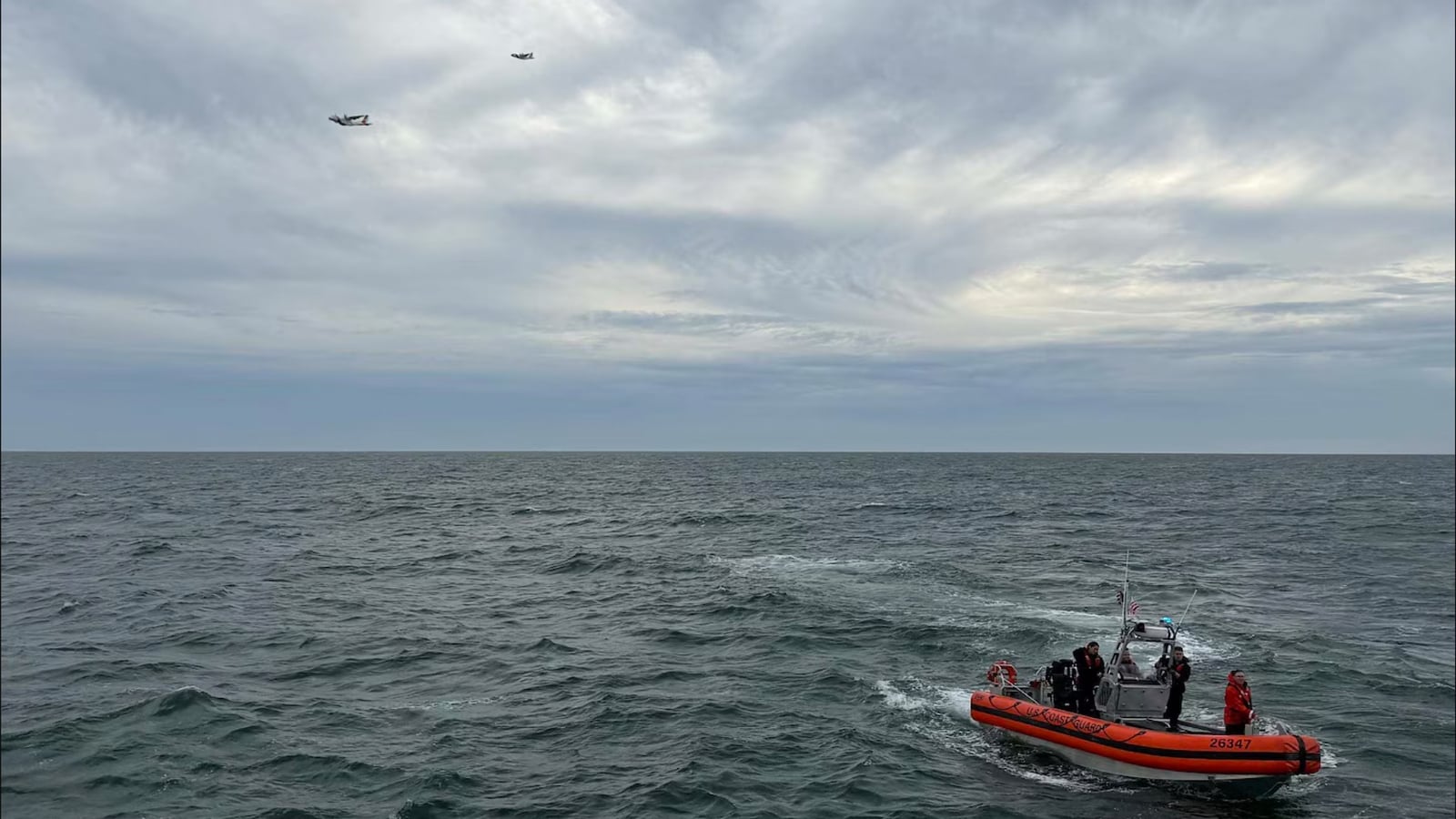
The Coast Guard did what they always do. They deployed planes, launched ships, swept thousands of square miles of ocean, and ultimately faced the bitter reality of the sea. They executed their mission with absolute professionalism.
Our job is to ensure they are not sent out there to mop up the wreckage of a broken system disguised as an emergency service. Stop blaming the weather. Start auditing the ledgers.