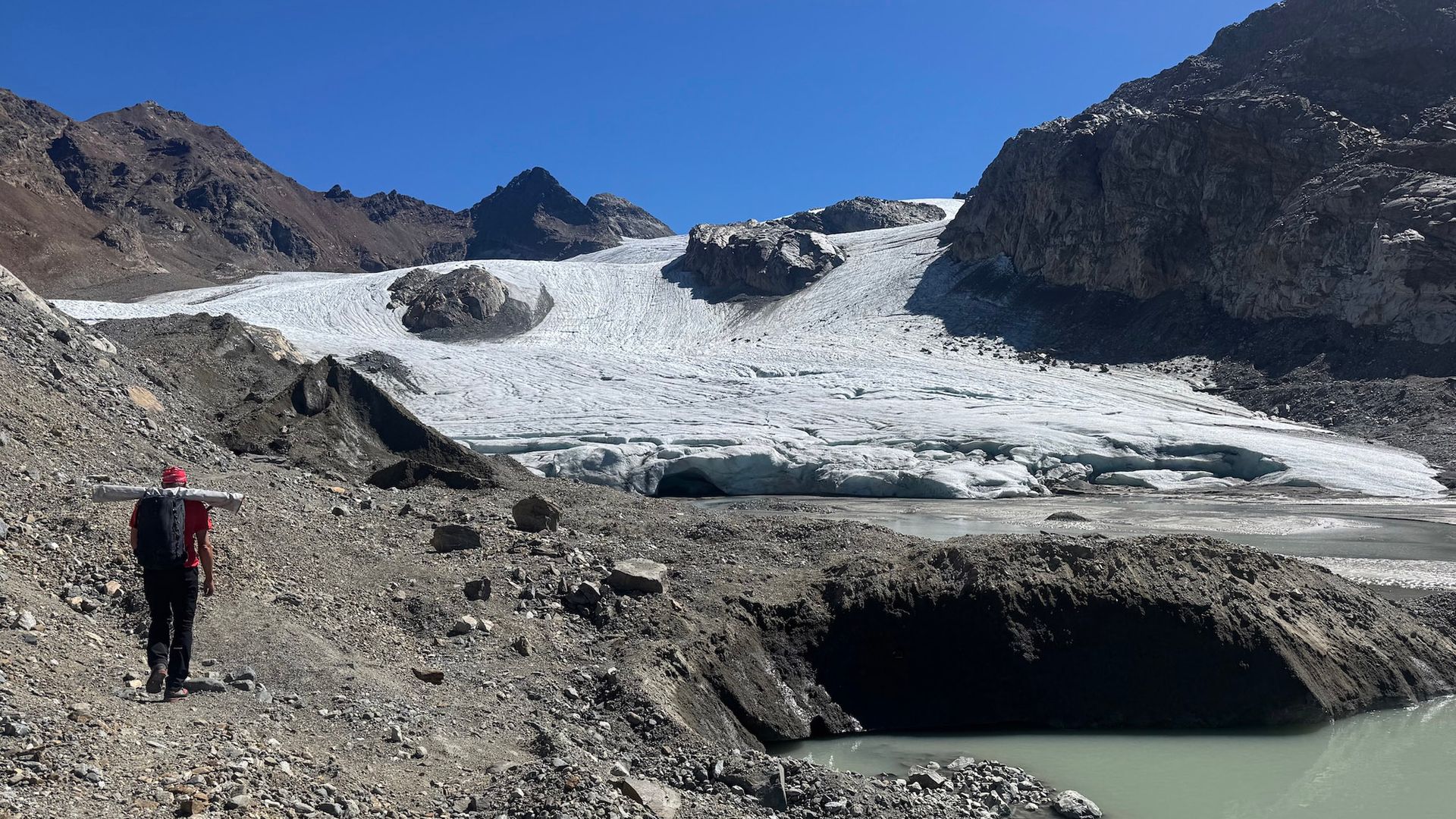
Every summer, the media machine cranks out the exact same panic porn. Headlines scream about a devastating year for the Alps, publishing aerial photographs of dirty, shrinking ice patches with dramatic red arrows pointing at receding tongues. Environmental reporters clutch their pearls over the five percent mass loss recorded by Swiss monitoring networks during scorching heatwaves, painting a picture of terminal decline.
The lazy consensus says we are watching the permanent death of an alpine ecosystem. If you enjoyed this post, you should check out: this related article.
That narrative is wrong. It misses the fundamental geology of the planet and mistakes a seasonal balance sheet for total bankruptcy. Glaciers are not static monuments meant to be frozen in amber for eternity. They are dynamic, thermodynamic conveyor belts. They advance, they retreat, they surge, and they waste away depending on climatic cycles that dwarf human civilization. When observers panic over a bad melt season, they are looking at weather, not climate history, and they are ignoring the biological and mineral reality hiding beneath the ice.
The Myth of the Static Alpine Museum
Go back a few thousand years. Walk through the archives of Holocene climate fluctuations and you will find periods when the Alpine passes were entirely clear of ice, allowing Roman legions and medieval traders to cross terrain that is currently choked with glaciers. The Little Ice Age of the sixteenth to nineteenth centuries was an anomaly, an uncharacteristically cold blip in a warm interglacial epoch. Yet modern conservationism treats the peak glacier volume of the mid-nineteenth century as the pristine baseline. That is like measuring your financial health only by the amount of cash you had during a rare windfall inheritance and panicking when normal spending resumes. For another perspective on this story, check out the recent coverage from Al Jazeera.
When glaciologists measure a five percent loss in a single scorching summer, they are recording the logical consequence of a high-pressure blocking system parked over Europe. Is it extreme? Yes. Is it unprecedented in planetary history? Not by a factor of a thousand. Glaciers act as giant thermal shock absorbers. They shed mass when the atmosphere warms because that is their job. They buffer regional water supplies and redistribute mass across the Earth's crust.
Treating a retreating ice sheet like a dead body misses the entire biological and geological response triggered by the melt.
What the Panic Misses About Life Beneath the Ice
Here is the dirty secret the doomsayers leave out of their broadcasts. When ice recedes, it does not leave behind a sterile wasteland of lifeless bedrock. It exposes virgin terrain that initiates primary ecological succession at a blistering pace.
I have walked those newly exposed forefields in Valais and Grisons. Within years of an ice tongue pulling back, pioneering lichens, mosses, and cold-adapted flowering plants colonize the mineral-rich glacial flour. Nitrogen-fixing bacteria establish footholds in the pulverized rock. Microscopic organisms bloom in meltwater streams, creating rich nutrient pulses that feed downstream aquatic ecosystems. The retreat of ice is an engine of geodiversity. It creates new microhabitats, exposes ancient fossil beds, and opens up valleys that eventually turn into rich alpine meadows and pine forests.
We mourn the ice while ignoring the explosion of ecological diversity that takes its place. Nature does not mourn a glacier. Nature reclaims the space and moves forward.
The Economy of Alpine Tourism and Melt Tourism
Follow the money behind the panic, and you will find a multi-million-dollar industry built on catastrophe marketing. Ski resorts install giant white geotextile blankets over shrinking tongues of ice during July, spending small fortunes to preserve a few meters of snow for summer tourists who want to snap selfies on a dying glacier. It is a desperate cosmetic surgery procedure on a landscape that wants to shed its winter coat.
The financial panic extends to hydro-electric operators who manage the meltwater runoff. While a rapid melt year creates seasonal management headaches, the overall hydrological cycle of the Alps adapts. Higher snowlines and melting permafrost release stored water that fills reservoirs during peak energy demand periods. The shift requires engineering adaptation, not despair. Treating every meter of lost ice as an economic catastrophe ignores the adaptability of downstream infrastructure and the massive influx of geotourism dollars generated by people rushing to see the glaciers before they change form.
The Real Problem With Climate Discourse
The obsession with percentage loss figures on Alpine ice sheets acts as a displacement activity. It gives comfortable urban commentators an easy proxy for environmental anxiety without requiring them to engage with complex systemic realities.
Focusing purely on the volumetric loss of the Aletsch Glacier or Morteratsch Glacier turns a planetary thermodynamic adjustment into a morality play. It teaches people to view environmental change as a tragedy of human sin rather than a planetary cycle. When you tell the public that the world is ending because a glacier lost five percent of its mass, you create climate nihilism. People stop trying to solve tractable local problems because they believe the macroeconomic trajectory of the globe is already doomed.
Stop treating glaciers like museum pieces. They are raw, dynamic geologic actors responding to physical laws. They will shrink, they will shift shape, and in future cooling cycles, they will grow back. The only thing truly endangered by the current melt narrative is our ability to think clearly about how the Earth actually works.