The art world is currently clutching its collective pearls over the "unprecedented" resignation of the Venice Biennale jury. The headlines are predictably dire. They speak of a collapse of institutional integrity. They wail about the politicization of the Giardini. They treat the departure of a few academics and curators as a structural failure of the world’s most prestigious art Olympics.
They are wrong. They are missing the point so spectacularly it feels intentional.
The resignation of the jury over the participation of Israel and Russia isn't a crisis. It is the most authentic thing to happen to the Biennale in forty years. We have spent decades pretending that art exists in a vacuum of high-minded "dialogue" and "cultural exchange," curated by committees designed to buffer the wealthy from the reality of the street.
The chaos in Venice isn't a bug. It’s the feature we’ve been trying to suppress with overpriced prosecco and $500-a-night hotel rooms.
The Myth of the Neutral Platform
The "lazy consensus" suggests that the Venice Biennale should be a neutral ground where aesthetics transcend geopolitics. This is a fairy tale told by people who want to sell paintings to oligarchs while feeling like they’re saving the world.
Let’s look at the mechanics. The Biennale is built on the foundation of national pavilions. It is literally a map of 19th-century colonial power structures. By its very design, it is a political instrument. You cannot host a "national" exhibition and then act surprised when the nation-state acts like, well, a nation-state.
Critics argue that by allowing Russia or Israel to participate—or by forcing their exclusion—the Biennale is "losing its way." I have spent twenty years watching these institutions operate. They didn't lose their way. They finally ran out of places to hide the bodies.
When a jury quits because they cannot reconcile the presence of a specific flag with their personal ethics, they are finally admitting that the "Global Village" was a marketing gimmick. They are acknowledging that some conflicts are too jagged for the smooth surfaces of a gallery wall.
The Virtue Signaling Trap
The competitor's narrative frames these resignations as an act of bravery. Let’s call it what it actually is: a strategic exit.
Resigning from a jury is the ultimate low-stakes protest. You keep your reputation in the progressive art circles, you avoid the headache of defending a controversial winner, and you still get to put "Venice Biennale Juror (Resigned)" on your CV. It’s a career move, not a revolution.
If these curators actually wanted to disrupt the system, they would stay. They would use the platform to award the Golden Lion to the most incendiary, uncomfortable work possible. They would force the board to fire them. Instead, they walked away, leaving a power vacuum that will be filled by someone less principled and more compliant.
We see this in corporate boardrooms and non-profit galleries every single year. The moment things get "messy," the elites retreat to the safety of their academic tenure, leaving the actual artists to navigate the wreckage.
Why Political Contamination is Good for Art
The art world is obsessed with "safety." We want "safe spaces" for expression. We want "safe" investments for collectors. We want "safe" curation that challenges people just enough to make them feel smart, but not enough to make them skip the after-party.
The "chaos" in Venice is a violent injection of reality into a sterile environment.
Art thrives in friction. The moment the Biennale becomes a smooth, orderly process where every country behaves and every juror agrees, it becomes a trade show. It becomes Art Basel with more humidity.
We should be leaning into the mess. Imagine a Biennale where the friction isn't hidden behind the scenes in angry emails, but is the central point of the event.
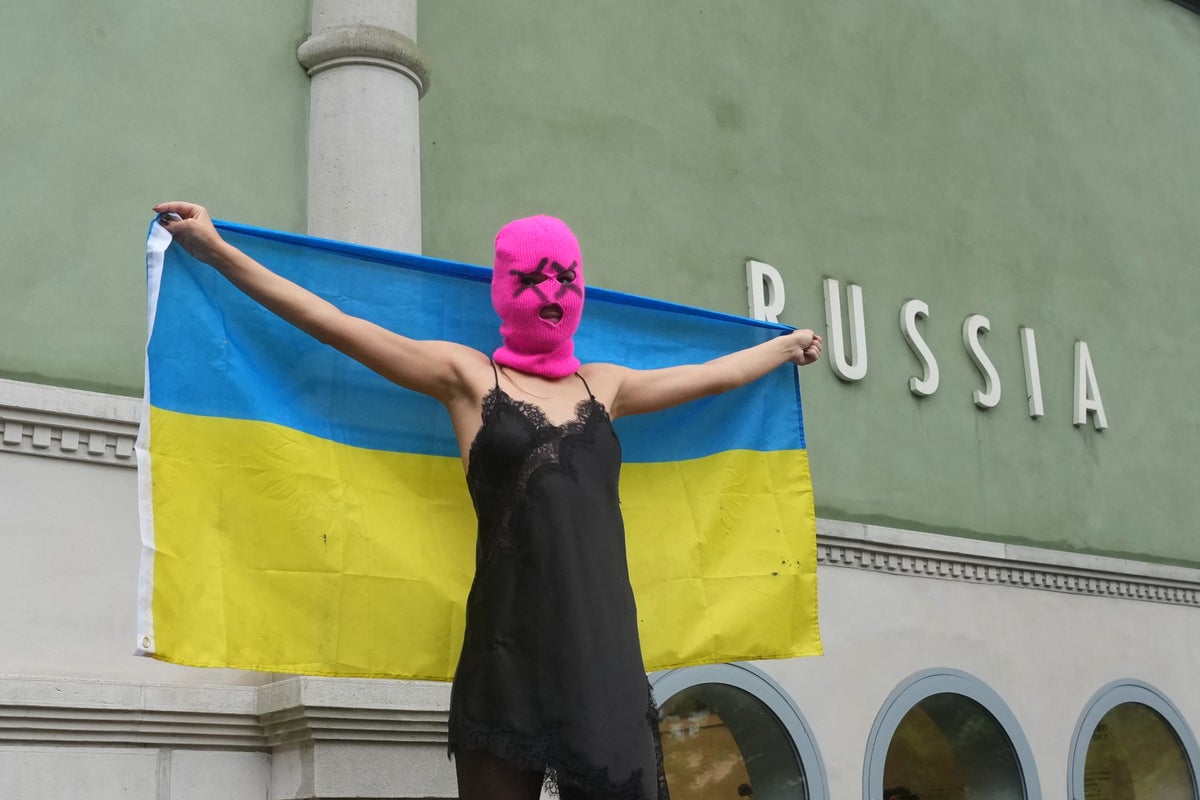
- The Russian Pavilion sits empty? Good. That emptiness says more about the state of global culture than any curated video installation ever could.
- The Israeli Pavilion is under guard? That tension is the art.
- The Jury has dissolved? Excellent. Let the public decide. Let the weight of the moment fall on the viewers instead of five people in a closed room.
The Problem with Professional Curation
The PAA (People Also Ask) queries on this topic usually focus on: "How will this affect the awards?" or "Is the Venice Biennale still relevant?"
These questions assume that the Lion matters. It doesn't.
I’ve seen millions of dollars in market value created by a single award in Venice, only for that artist to disappear five years later because their work was a product of a specific, curated moment rather than actual substance. The jury system is a gatekeeping mechanism designed to maintain the "value" of the art market by certifying what is "important."
By quitting, the jury has accidentally done us a favor. They have de-certified the event. They have stripped away the veneer of institutional authority. For the first time in a long time, the audience in Venice will have to look at the work without a "Best in Show" sticker telling them what to think.
The Logistics of the "Chaos"
Let's talk about the actual "chaos" the media loves to highlight.
Protests outside the pavilions. Security checkpoints. Artists pulling their work at the last minute. The "insider" view is that this is a logistical nightmare that ruins the experience.
From where I’m standing, it’s the only part of the Biennale worth the ticket price.
The most boring thing in the world is a well-run art fair. Order is the enemy of visceral reaction. When you have to cross a protest line to see a sculpture, your relationship with that sculpture changes. You are forced to acknowledge the cost of your aesthetic consumption.
The competitor's article suggests that the organizers "failed" to manage the situation. On the contrary, the organizers' only failure was trying to pretend that they could manage it. You cannot manage a world on fire. You can only host the bonfire.
The Counter-Intuitive Truth
The status quo is obsessed with "fixing" the Biennale. They want new rules for participation. They want "ethical guidelines" for jurors. They want a streamlined process that avoids PR disasters.
This is the wrong move.
If you want a polite, ethical, organized display of creativity, go to a regional craft fair. The Venice Biennale is supposed to be the heavy, bloated, gorgeous, and horrific reflection of the world as it is.
If the world is at war, the Biennale should be a mess. If the world is divided, the jury should be fractured. If the world is angry, the Giardini should be a place of protest.
The moment we "fix" the chaos, we kill the relevance of the institution.
Stop Asking for Order
The "expert" consensus is that this turmoil will hurt the Biennale's brand.
I argue the opposite. This is the best branding the Biennale has had in a century. It has reminded everyone that art is still a flashpoint. It has proven that people still care enough about what happens in these pavilions to quit their jobs and take to the streets.
We don't need a more "robust" jury. We don't need a "holistic" approach to national participation. We need more institutions that are willing to break under the pressure of the real world.
The jury quit. The pavilions are in turmoil. The critics are panicked.
Good. Finally, something interesting is happening.
Don't look for a return to normalcy. Normalcy was the lie. The chaos is the truth.
Walk through the gates, ignore the empty pedestals, and realize that the collapse of the institution is the most significant work of art on display this year.
Stop trying to save the Biennale. Let it burn. Only then will we see what’s actually worth keeping.