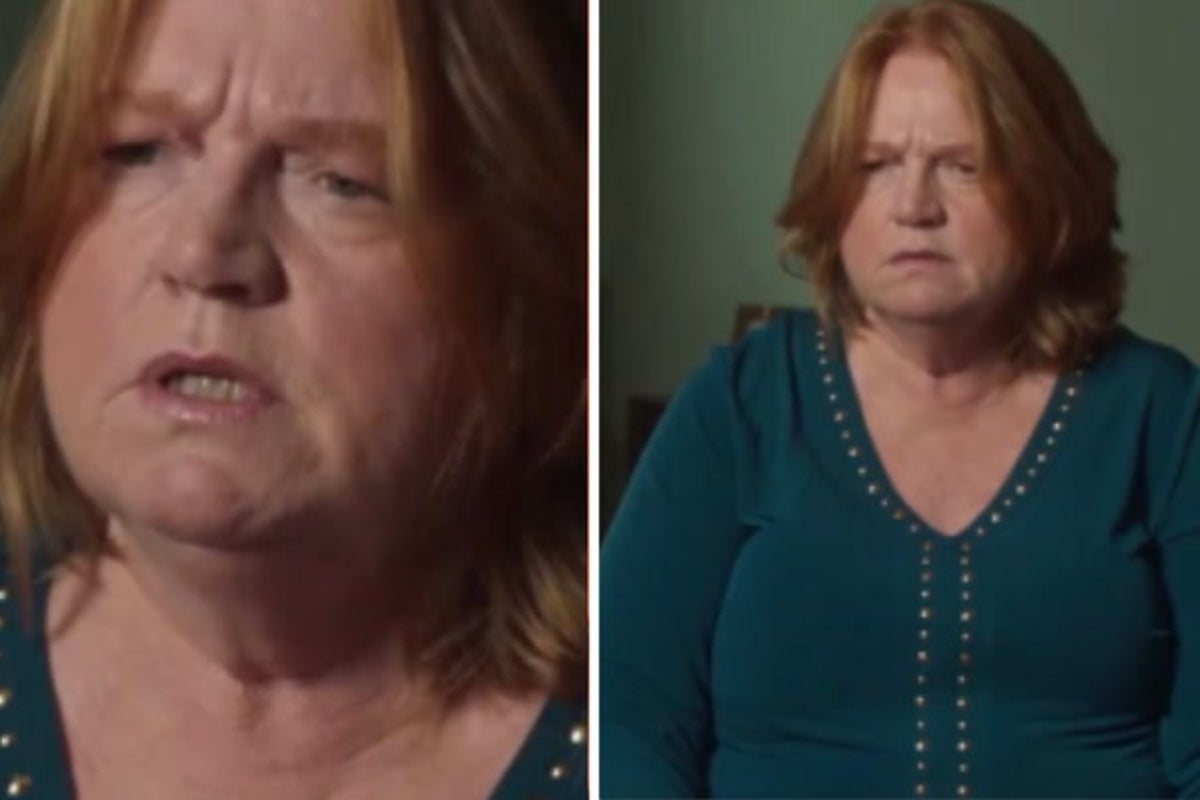
The media is currently feasting on the bones of a "shocking confession" from Rex Heuermann’s ex-wife. Headlines scream about the chilling details of his admissions. The public is leaning in, breathless, waiting for the gore. They want to hear exactly what he said when the mask slipped.
They are looking at the wrong thing.
The "lazy consensus" here is that the horror lies in the confession itself—the moment the monster admitted to being a monster. But that’s a comfort blanket. It allows us to believe that evil is a distinct, recognizable event that eventually announces itself. We treat these confessions like the climax of a movie where the villain finally explains his plan.
The reality is much more abrasive. The confession isn't the story. The story is the decade of silence, the bureaucratic incompetence of the Suffolk County Police Department, and a society that decided certain victims weren't worth a proper search until they literally piled up.
If you’re waiting for Heuermann to provide "closure" through a play-by-play of his crimes, you’ve already lost the plot.
The Myth of the Cinematic Serial Killer
The public has been fed a steady diet of Silence of the Lambs and Mindhunter. We expect our serial killers to be high-IQ chess players who leave cryptic clues and eventually engage in a psychological battle with a brilliant profiler.
Rex Heuermann wasn’t a mastermind. He was an architect. He understood load-bearing walls and zoning laws. He was boring. He lived in a dilapidated house in Massapequa Park that everyone in the neighborhood knew was an eyesore. He was a guy who took the train.
The "shocking confession" isn't shocking because of what he did. It’s shocking because of how long he was allowed to do it while living a mundane, middle-class existence. We want to believe evil is rare and exotic. The Gilgo Beach case proves evil is the guy standing next to you at the deli who knows exactly which jurisdictional lines the cops won't cross.
Why We Fetishize the Confession
Why are we so obsessed with what he told his ex-wife? Because it shifts the burden of discovery away from us and onto the killer. If he confesses, we don't have to admit that he lived among us undetected for decades. We don't have to admit that the "Long Island Serial Killer" was a local legend that served as a campfire story rather than a call to action for ten years.
By focusing on his words, the media transforms a systemic failure of law enforcement into a domestic drama. It becomes a story about a betrayed wife and a secret life. That’s easy to digest. It sells ads. It fits into a 22-minute true crime podcast.
What doesn't sell is a deep dive into the 2011-2012 era of the Suffolk County PD, where corruption was so rampant that the Chief of Department, James Burke, eventually went to federal prison. While the bodies were sitting in the brush at Gilgo Beach, the leadership of the very department tasked with finding them was busy obstructing justice in other cases.
That is the actual confession. The silence of the authorities was the loudest admission of guilt in this entire saga.
The Value of a Victim is Not a Variable
Let’s be brutally honest: the investigation into the "Gilgo Four" stalled because of who the victims were. They were sex workers. They used Craigslist. In the eyes of a dated, biased investigative framework, they were "disposable."
People ask: "How did he get away with it for so long?"
The answer isn't that he was a genius. The answer is that he targeted women the world was prepared to ignore.
When we focus on the killer's "confession," we are once again centering the narrative on him. We are giving the perpetrator the microphone. We are asking him to tell us the story of these women’s deaths, rather than demanding an account of why their lives weren't protected in the first place.
If these victims had been debutantes from the Upper East Side, the hunt for Rex Heuermann wouldn't have taken thirteen years. It would have taken thirteen days. The contrarian truth is that the "mystery" of Gilgo Beach was a choice made by a system that prioritizes victims based on their social standing.
The DNA "Breakthrough" is a Distraction
The media loves the story of the pizza crust. We are told that a discarded crust in a Manhattan trash can provided the DNA link that finally cracked the case. It’s a great visual. It makes the investigators look like high-tech wizards.
But look at the timeline. Heuermann was on their radar long before the pizza crust. They had the description of the "ogre-like" man. They had the green Chevrolet Avalanche. They had the pings from the burner phones.
The DNA wasn't the breakthrough; it was the final nail in a coffin that should have been built a decade ago. Citing the DNA as a "miracle of modern science" ignores the fact that old-fashioned police work—checking vehicle registrations and interviewing witnesses—could have solved this in 2010.
We use technology as an excuse for past laziness. "We didn't have the tools back then," they say. Nonsense. They had the Avalanche. They had the witness statements. They just didn't have the will.
The Psychological Fallacy of "Closure"
Families of the victims are often told that a confession will bring "closure." This is a lie we tell to make ourselves feel better about a broken justice system.
There is no closure in hearing how your loved one was disposed of like trash. There is no closure in knowing that the man who did it enjoyed a twenty-year career and a pension while you spent holidays staring at an empty chair.
The only thing a confession provides is a legal shortcut. It saves the state the money of a trial. It wraps the case in a neat bow for the evening news. But it does nothing for the families, and it does nothing to prevent the next Rex Heuermann from operating in the shadows of a neglected neighborhood.
Stop Looking for the "Why"
We are obsessed with the "why." We want to know what happened in his childhood. We want to know the "trigger" event. This is another distraction.
There is no "why" that will satisfy you. There is no trauma that justifies the methodical hunting of human beings. When we search for a motive, we are trying to find a logic in the illogical. We are trying to map a world that doesn't follow our rules.
Heuermann didn't have a "reason" any more than a cat has a "reason" for catching a bird. He did it because he could, because he enjoyed it, and because he knew no one was looking for him.
The "why" isn't in his head. The "why" is in our streets, our laws, and our apathy.
The Actionable Truth
If you want to actually "honor" the victims of Gilgo Beach, stop reading the transcripts of his confessions. Stop looking at the photos of his house.
Instead, look at the legislation regarding sex work. Look at how your local police department handles missing persons reports for "at-risk" individuals. Look at the massive backlog of untested rape kits and unidentified remains in your own state.
Rex Heuermann is a symptom. The disease is a society that creates "no-go zones" for the law, where predators can feast because we’ve decided the victims don't count.
Every time you click on a headline about his "shocking admission," you are contributing to the very culture that allowed him to exist. You are choosing the spectacle over the solution. You are choosing the monster over the math.
The math says there are more like him. The math says they are operating right now. And the math says they aren't worried about being caught, because they know you're too busy reading about the last guy's confession to notice them standing right behind you.
Stop looking for a monster with fangs. Look for the guy with the permit for the home addition. Look for the guy who blends in. And for God’s sake, stop waiting for him to tell you the truth. He's been telling you the truth for thirty years; you just didn't want to hear it.
Take the spotlight off the killer. Put it on the empty chairs. Then ask the people in power why those chairs are still empty. That is the only confession that matters.