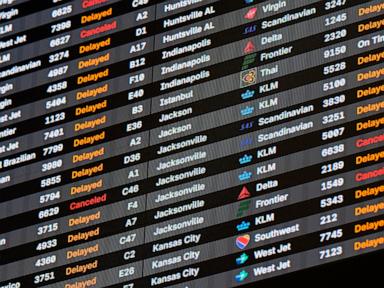
Every November, travel media runs the exact same playbook. A flight scheduling system hiccups, an airline app throws an error message, and suddenly the headlines scream about impending Thanksgiving travel apocalypses. Travelers read these panic-inducing pieces, white-knuckle their armrests, and blame legacy airline mainframes for ruining their holiday.
That narrative is lazy, comforting nonsense.
The real reason your Thanksgiving travel feels like a hostage negotiation has almost nothing to do with fragile airline software. Airlines operate some of the most complex logistical networks on earth, moving millions of people across thousands of tin cans hurtling through the stratosphere at 500 miles per hour. When things break during the last week of November, the culprit is rarely an isolated tech bug. It is the collision of rigid hub-and-spoke physics with passenger booking habits that leave zero margin for error.
If you want to survive holiday air travel without sleeping on an airport floor, stop worrying about airline IT departments. Start looking at how you buy tickets, pack bags, and react when the departure board turns red.
The Myth of the Fragile Airline Mainframe
When an airline cancels three hundred flights because a crew-scheduling database stalls, the public loves a simple villain. They point at decades-old backend code and demand modernization.
What those critics miss is why airlines still rely on systems built on foundational architectures like IBM's Transaction Processing Facility. These systems process tens of thousands of transactions per second with reliability rates that consumer web apps could never touch. The issue is not that the computers are broken. The issue is that Thanksgiving pushes the physical network to 99 percent capacity, removing every single shock absorber from the system.
Think of an airline schedule like a tightly wound watch. On a random Tuesday in February, planes sit on the tarmac longer between flights, reserve crews wait on standby in major hubs, and open seats exist on later departures. If a software glitch delays a morning flight out of Chicago by ninety minutes, the airline absorbs the shock. Crew members swap planes, passengers slide onto the afternoon route, and the network heals itself by dinner.
Thanksgiving week destroys those buffers. Every plane is flying maximum daily hours. Every seat is sold. When a minor technical hiccup—or a routine winter storm in Denver—delays a single aircraft for two hours, that delay cascades across six subsequent flights. By the time the software catches up, the flight crew has hit their mandatory Federal Aviation Administration rest limits. The flight cancels not because the computer failed, but because federal law prohibits tired pilots from flying, and no backup crew exists.
Blaming the tech glitch for a Thanksgiving meltdown is like blaming a single spark for burning down a house you soaked in gasoline.
Why Your Booking Strategy Invites Disaster
Travelers love to complain about airline reliability right after buying the cheapest, tightest, most fragile itinerary possible. If you want to understand why holiday travel feels broken, look at the three self-inflicted wounds passengers routinely commit before they even pack a suitcase.
1. The 45-Minute Connection Trap
Booking engines happily sell you a ticket with a 45-minute layover at massive hubs like Atlanta, Dallas-Fort Worth, or Chicago O'Hare. On paper, that connection is legal. In reality, it is a gamble with terrible odds.
A legal minimum connection time assumes your inbound plane lands on schedule, pulls straight into an open gate, and opens the boarding door immediately. It assumes you sit near the front of the cabin, sprint through terminals without stopping for a bathroom break, and arrive at your next gate before the door closes fifteen minutes prior to departure.
During Thanksgiving week, taxiways are congested, gate agents are overwhelmed, and overhead bins are stuffed to bursting, which slows down boarding and deplaning by ten to fifteen minutes per flight. Your 45-minute buffer evaporates before your plane even parks. When you miss that connection, the next flight is already full, leaving you stranded for two days.
2. The Basic Economy Illusion
Airlines invented Basic Economy to compete with ultra-low-cost carriers, and travelers treat it like a clever money-saving hack. During peak holiday weeks, it is a trap.
When operations go sideways, airline algorithms prioritize rebooking based on loyalty status and fare class. Full-fare passengers and elite flyers get the remaining seats on the next flight out. Standard economy ticket holders get rebooked after them. Basic Economy passengers sit at the absolute bottom of the priority list, often with tickets that forbid same-day standby changes or rerouting on partner airlines. Saving forty dollars on a holiday ticket frequently costs travelers a hotel room, missed family dinners, and two days of airport purgatory.
3. The Late-Afternoon Departure Mistake
Booking a 6:00 PM flight the Wednesday before Thanksgiving is asking for trouble. Delays accumulate throughout the day. An air traffic control ground stop at 10:00 AM creates a domino effect that peaks right around rush hour. Morning flights depart on time far more frequently than evening flights because the aircraft are already sitting at the gate overnight. If you fly after noon during a holiday rush, you are inheriting every single delay from the previous eight hours.
What Actually Happens Behind the Gate Counter
I have spent years watching how airline irregular operations unfold from inside the industry, and the gap between what passengers think happens and what actually happens is massive.
When a flight cancels, travelers sprint to the customer service desk and yell at a gate agent. That is the single slowest way to get rebooked. Gate agents do not control inventory; they work inside rigid terminal interfaces that process one passenger at a time while thirty angry people breathe down their necks.
Meanwhile, the airline's automated rebooking engine—the very technology travelers love to mock—has already scanned open seats across the entire network and assigned new itineraries to passengers based on their ticket rules. By the time you reach the front of a forty-person line, the best alternative seats have already been claimed by people who never left their chairs.
Here is the hierarchy of how smart flyers actually get out of an airport when the system crashes:
- The Mobile App: Open the airline app the second a delay threatens your connection. Modern airline apps expose rebooking options directly to your phone before gate agents even finish making their announcements.
- The Phone Line (With a Twist): If the app fails, call the airline's reservation line. If the domestic hold time is two hours, call the airline's international customer service desk—such as their UK, Canadian, or Australian numbers—using a Wi-Fi calling app. Those agents access the exact same global reservation system with a fraction of the call volume.
- The Lounge Desk: If you hold a credit card that grants lounge access, walk straight to the club desk. Lounge agents are seasoned problem-solvers dealing with a tiny fraction of the foot traffic seen at main terminal counters.
The Uncomfortable Truth About Tech Hiccups
Does airline technology still have massive blind spots? Yes. When a system outage hits—like the infamous Southwest Airlines scheduling collapse in December 2022 or the CrowdStrike Windows crash that crippled Delta Air Lines in July 2024—the results are catastrophic.
Those events exposed a glaring vulnerability in modern aviation: hyper-centralization. Airlines have spent decades optimizing their networks to squeeze every drop of revenue out of every aircraft. Crew scheduling, aircraft maintenance, baggage routing, and gate assignments are all tightly coupled into unified digital ecosystems. When one critical node goes offline, human dispatchers can no longer manually track where pilots and planes are located using whiteboards and phone calls. The scale is simply too large.
There is a real downside to taking full personal responsibility for your travel logistics, and it is worth admitting upfront: doing it right costs more money and steals your sleep. Flying at 6:00 AM hurts. Paying extra for a mainline economy ticket instead of Basic Economy stings. Booking a two-hour layover feels like wasted time when everything runs smoothly.
You are paying an insurance premium in time and cash against a disruption that might not happen. For ninety percent of trips, the person who bought the cheap, tight afternoon connection arrives at the exact same dinner table as you for less money.
The difference shows up in the other ten percent.
Answering the Questions Travelers Get Wrong
Search engines light up every November with the same anxious questions from holiday flyers. Almost all of them are framed around the wrong premise.
"Which airline has the fewest tech glitches during Thanksgiving?"
None of them are immune, and chasing a specific carrier based on last year's headlines is a waste of time. Department of Transportation data shows that on-time performance shifts wildly depending on weather patterns at each airline's specific fortress hubs. Delta might lead the pack one year, only to get hammered the next when an ice storm hits Atlanta. Focus on routing geography, not brand loyalty. Avoid connecting through northern hubs prone to early winter weather if a southern or nonstop alternative exists.
"Should I buy third-party travel insurance in case airline systems crash?"
Read the fine print before you hand over your credit card. Standard travel insurance policies routinely exclude "carrier-caused delays" or require a delay of six to twelve hours before paying a dime for meals or hotels. Even worse, third-party booking sites like Expedia or Priceline add a middleman between you and the airline. When a flight cancels, the airline will often tell you to call the third-party agency to reissue the ticket, locking you out of direct app rebooking while seats disappear. Always book directly with the airline.
"How early do I really need to get to the airport for a holiday flight?"
Forget the generic "two hours before domestic flights" rule. Look at two specific variables: whether you are checking a bag, and whether you have expedited security screening. If you are carrying on a bag and hold TSA PreCheck, arriving seventy-five minutes before departure is usually plenty of time at most airports. If you are checking a suitcase without priority status, two hours is barely enough to clear the bag-drop line before the airline's strict 45-minute luggage cutoff locks you out of the flight entirely.
How to Bulletproof Your Holiday Itinerary
If you want to stop feeling like a victim of airline incompetence, change how you build your trip from the ground up.
- Fly nonstop, even if it costs more. Every connection doubles your exposure to mechanical delays, air traffic control holds, and crew timeouts. A nonstop flight only needs one plane and one crew to go right.
- Never check a bag during a holiday rush. Baggage sorting systems choke under peak volume, and lost luggage is the leading cause of ruined holiday arrivals. Pack light, use a compliant carry-on, and keep your belongings in your own hands.
- Book the first flight of the morning. That 6:00 AM departure is miserable to wake up for, but the plane is already parked at the gate. You bypass an entire day's worth of cascading network delays.
- Build a minimum 90-minute connection. Give yourself room to absorb a thirty-minute taxi delay without losing your seat on the next leg.
- Know the Department of Transportation rules. Under federal regulations, if an airline cancels your flight or significantly delays it—defined as three hours for domestic flights and six hours for international flights—and you choose not to travel, they owe you a full cash refund, not a travel voucher. Know your rights before you accept a bad rebooking.
Airlines will always have occasional software outages, and journalists will always write breathless stories about travelers panicking in terminal concourses. Let them panic. Book the early nonstop, skip the checked bag, keep the airline app open on your phone, and watch everyone else argue with the gate agent while you are already boarding.


