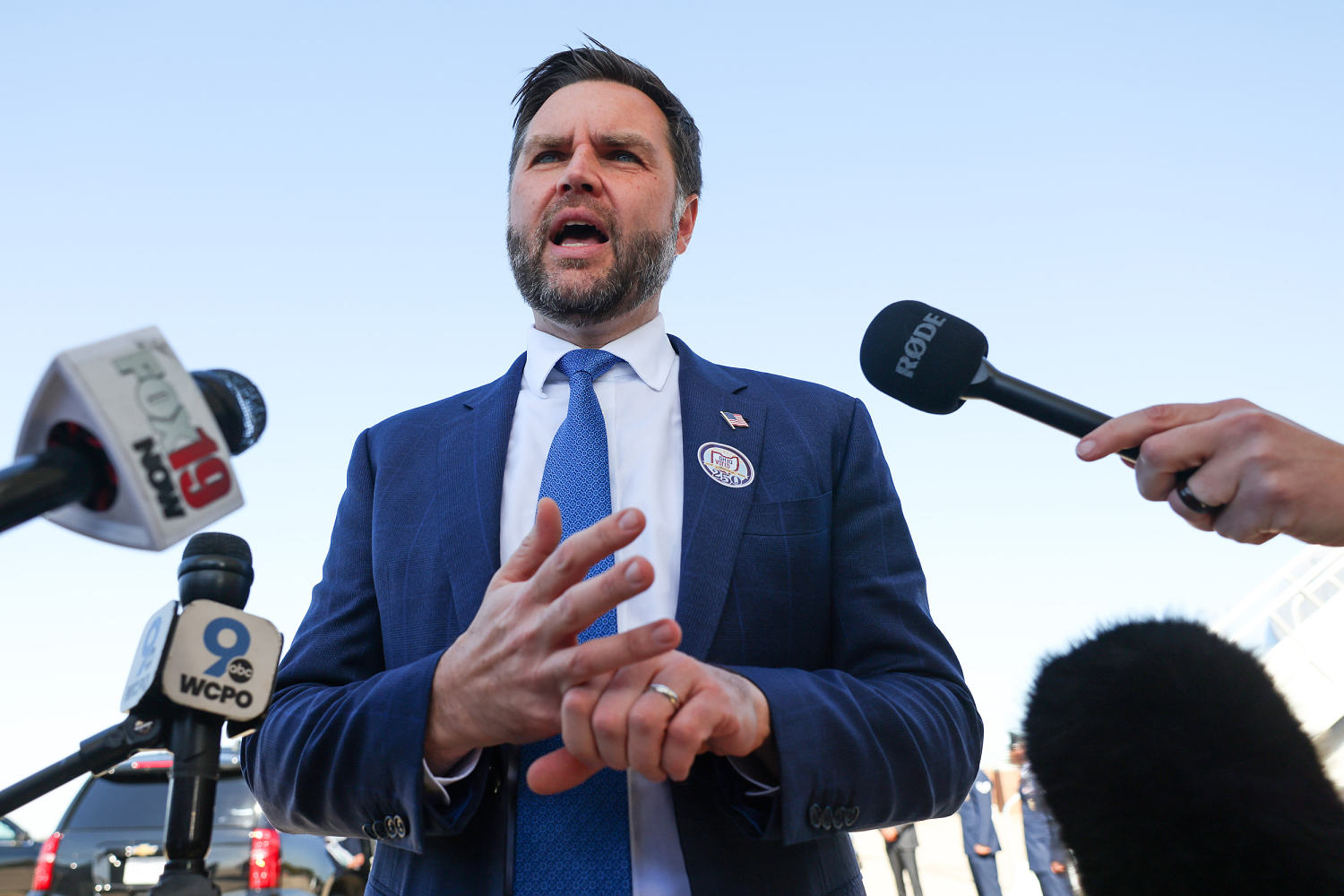
The chattering class is having a collective vapors-fit over the Pentagon's proposal to broadcast the execution of Fort Hood shooter Nidal Hasan. Pete Hegseth floats a livestream, JD Vance shrugs and says he will skip the viewing, and the mainstream press hyperventilates about America descending into Roman colosseum bloodlust.
Everyone is missing the point.
The lazy consensus splits cleanly into two predictable camps. On one side, performative tough guys treat state-sanctioned violence as extreme sports entertainment, salivating at the prospect of digital retribution. On the other side, institutional purists clutch their pearls, warning that broadcasting a firing squad turns justice into a snuff film. Both sides are peddling a false binary.
This isn't about public bloodlust. And it certainly isn't about constitutional transparency. It is a calculated stress test on the architecture of state power, and the friction between Vance and Hegseth isn't a policy disagreement—it is a symptom of a government that no longer knows whether it wants to hide its machinery or weaponize its theater.
If the state claims the moral authority to put a citizen to death, hiding it behind the cinderblock walls of a military prison is an act of institutional cowardice. We outsourced execution out of sight for decades to keep the electorate comfortable, maintaining the polite fiction that state killing is clinical, antiseptic, and entirely divorced from the public that mandates it.
The moment you introduce a high-definition camera to a firing squad, you strip away the sanitized bureaucratic fiction. You force the citizen to look at what the state does in their name. That is why the Washington establishment hates the idea. Not because it is barbaric, but because it breaks the illusion.
Critics like to compare it to cartel videos or medieval spectacles. That is lazy history. Executions used to be public because power was meant to be visible and undeniable. When the state executes a man who slaughtered thirteen of his fellow service members on a military base, tucking it away in the dark is an admission that we are ashamed of our own laws.
Yet, treating it like a Friday night pay-per-view event is equally corrosive. Vance has the right instinct for the wrong reasons. Declaring that he simply will not watch sidesteps the deeper obligation of leadership. If a punishment is too grotesque to be broadcast, it is too grotesque to be executed.
The real debate shouldn't focus on whether a broadband connection turns justice into a circus. The real question is why we demand absolute secrecy for the ultimate penalty while demanding total visibility for everything else.
We live in an era where every drone strike is logged, every police interaction is filmed by a dozen body cameras, and every bureaucratic failure is beamed instantly to our pocket screens. The state operates in a glass house until it decides to take a life. Then, suddenly, it pulls down the blinds and asks for trust.
If Nidal Hasan faces a firing squad, let the cameras roll. Not to satisfy a mob. Not to boost ratings. But to remind every single person cheering or weeping that state killing is a grim, irrevocable act. If you cannot bear to watch the machine work, stop voting to feed it.