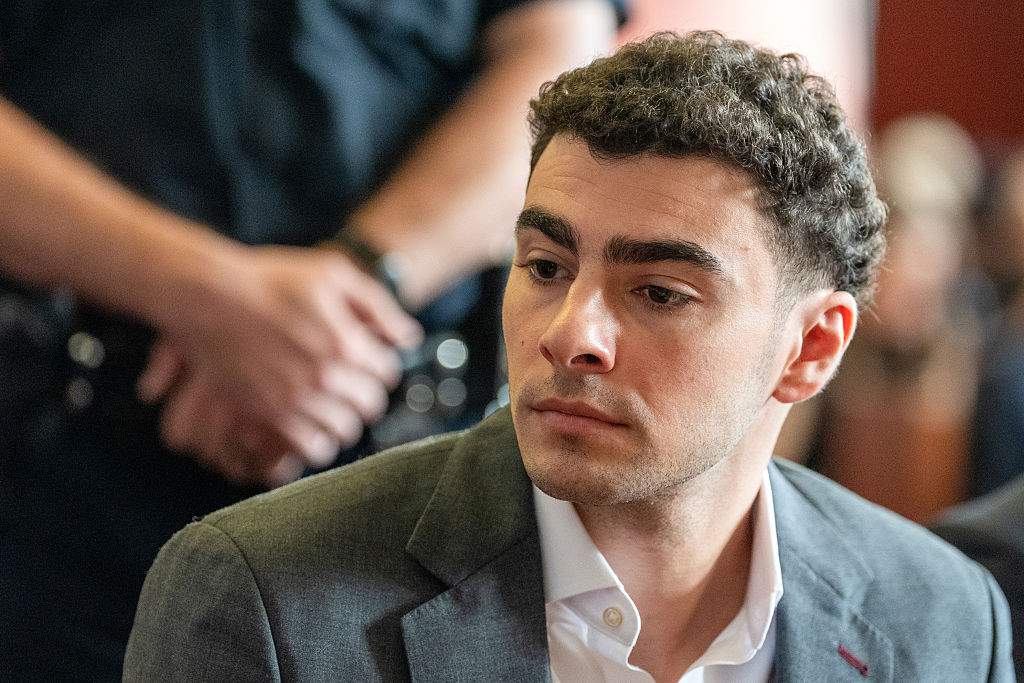
The media wants you to believe that Luigi Mangione standing in a Manhattan courtroom and admitting he shot UnitedHealthcare CEO Brian Thompson is a moral reckoning for the American medical insurance sector. Pundits are falling over themselves to turn a tragic, cold-blooded homicide into a grand referendum on policy deductibles, claim denials, and corporate greed.
They are missing the plot entirely.
This was never an ideological masterclass in activism. It is a high-stakes chess match of criminal procedure, and Mangione’s open guilty plea to federal stalking charges is not a surrender of principles—it is a calculated legal missile aimed straight at the heart of New York State’s upcoming murder prosecution.
Let us look at the actual mechanics of what just happened.
Mangione walked into federal court, bypassed a negotiated plea deal entirely, and pleaded open to two counts of interstate stalking resulting in death. No accommodations, no concessions, and a maximum exposure of life in prison. Within minutes, his defense team deployed their true weapon: a motion to dismiss the parallel New York State murder case based on double jeopardy.
Here is where the lazy consensus falls apart. The public narrative treats a guilty plea as an emotional admission of defeat. In elite criminal defense strategy, an open plea without a deal is often a structural play to force a jurisdictional crisis. By locking in a federal conviction for the exact underlying conduct—the tracking, the ambush, the shooting—the defense has immediately manufactured a constitutional firewall against being tried a second time for essentially the same factual event under state murder statutes.
We have watched similar procedural gymnastics play out in complex white-collar and high-profile federal-state overlapping jurisdictions for decades. When the state tries to stack a second trial after a federal conviction has already cornered the defendant, the defense forces a brutal fight over double-jeopardy protections. New York’s state laws carry notoriously strict interpretations regarding successive prosecutions for the same act. By cutting off the federal trial and forcing an immediate legal battle over the state's right to proceed, Mangione’s team turned a losing PR battle into a sharp procedural chokehold.
The commentators wringing their hands over his courtroom mentions of chronic back pain and bureaucratic hurdles are feeding you a convenient script. They want a neat narrative about a lone crusader lashing out at an insurance giant. Strip away the media theater. The reality is far colder and much more technical.
Violence does not rewrite corporate policy, and a criminal docket is not a ballot box. Treating a homicide defendant as a martyr obscures the actual systemic machinery of the courts, where statutory clauses, jurisdictional overlap, and procedural traps matter far more than op-eds.
The federal judge will hand down a sentence on December 18. Meanwhile, the legal war over whether New York can legally try him a second time for the same shooting is about to test the absolute limits of double-jeopardy doctrine. Watch the filings, not the punditry.