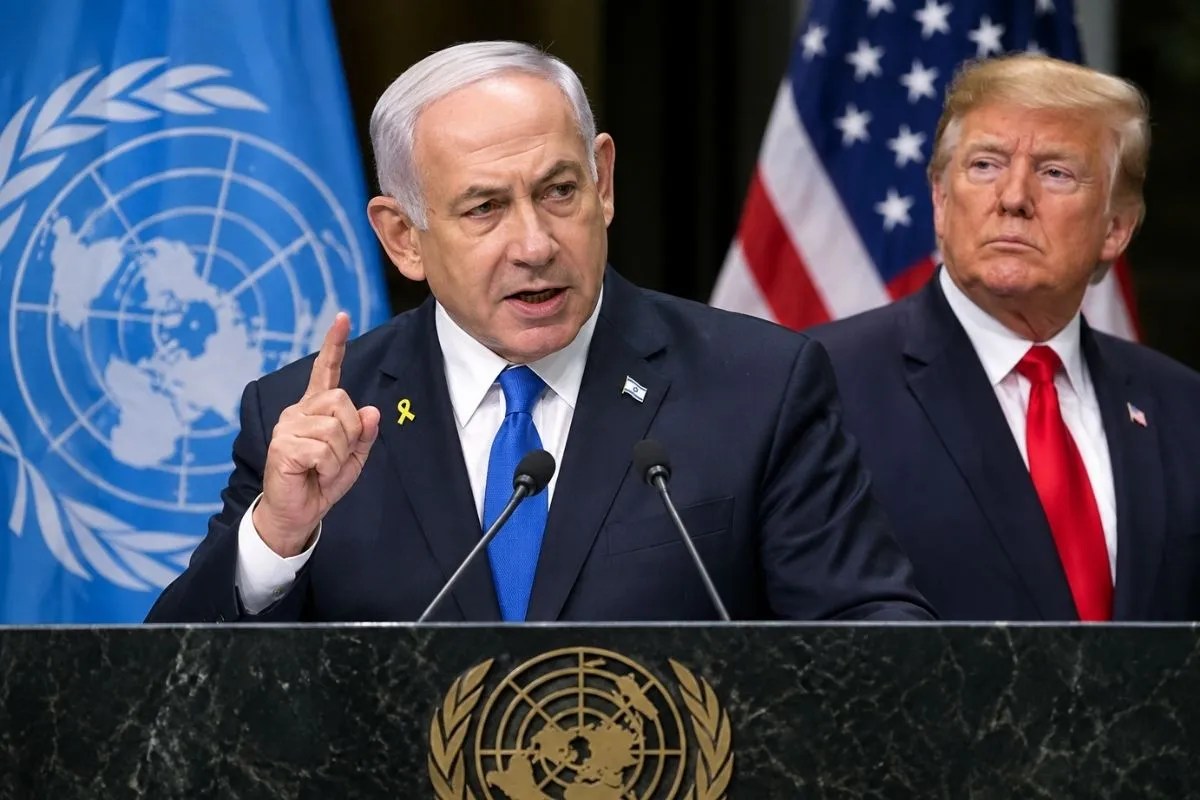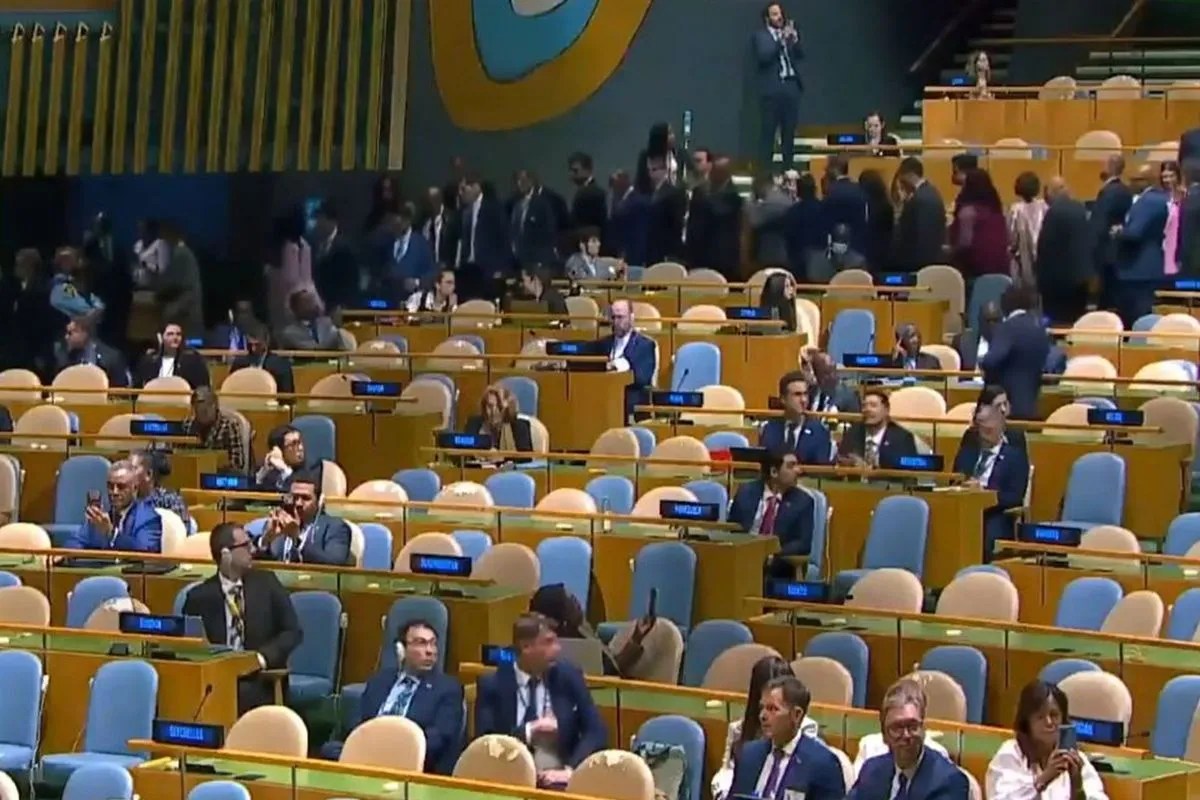
Every autumn, the East River in New York becomes a temporary stage for the most expensive piece of political theater on earth. World leaders line up at the green marble podium to deliver speeches designed not for the delegates sitting half-asleep in the hall, but for cable news chyrons and domestic primary voters back home. When Benjamin Netanyahu took the dais at the United Nations General Assembly, the predictable choreography began. Delegations stood up and walked out. Accusations of moral cowardice echoed through the chamber. Pundits rushed to declare watershed moments and shifting global tides.
It is all a distraction.
The mainstream narrative treats these theatrical clashes as titanic struggles for the soul of international order. That framework is completely backwards. The UN General Assembly is not a parliament of nations shaping destiny. It is a pressure release valve. It is where governments go to simulate action so they can avoid responsibility. Buying into the spectacle of walkouts and fiery retorts means falling for the oldest trick in statecraft: mistaking noise for power.
The Economics of Performative Outrage
Look at the mechanics of the UNGA walkout. It requires zero political capital. It carries zero economic cost. It alters no supply chains, changes no troop movements, and breaks no treaties. A diplomat rises from a leather chair, straightens a tie, and marches up the aisle while cameras flash. Back home, that clip loops on evening news broadcasts, signaling toughness to a domestic constituency demanding blood or theater.
The politician who stays behind to deliver a blistering counter-attack operates from the exact same playbook. Every harsh label, every invocation of moral failure, every calculated insult is calibrated to maximize domestic retention rates. I have spent years analyzing geopolitical risk and state communications, and the correlation between fiery rhetoric at East River and actual policy shifts on the ground is zero. In fact, inverse correlations are more common. When leaders are actually preparing to move militarily or strike secret economic bargains, they whisper in backrooms in Geneva or Doha. When they are shouting from podiums in New York, they are campaigning.
Treating Netanyahu's speech or the resulting walkouts as historical turning points requires ignoring how power actually works. Power does not reside in a hall where non-binding resolutions pass with predictable majorities. Power resides in central banks, logistics hubs, missile defense inventories, and intelligence sharing networks. The General Assembly is where nations lacking any real bargaining power buy the illusion of influence through volume.
Redefining Moral Cowardice
The term moral cowardice gets thrown around with reckless abandon whenever diplomats clash. Critics call leaders cowardly for prosecuting defensive wars or ignoring international consensus. Supporters call detractors cowardly for refusing to name aggressors or confronting terror. Both definitions miss the mark entirely.
True moral cowardice in international relations is the persistent refusal to admit that the post-Cold War institutional architecture is dead.
For decades, global elites have clung to a comforting fiction. They pretend that multilateral institutions possess inherent moral authority, independent of the hard power backing them. When a UN body issues a condemnation or a special rapporteur drafts a scathing report, institutionalists react as if an objective truth has been handed down from Sinai. This is intellectual laziness. Institutions do not possess morals. They possess procedures. When those procedures are captured by numerical majorities with zero skin in the game, the institution ceases to be a forum for justice and becomes an instrument for grievance laundering.
Calling someone morally cowardly from the safety of a diplomatic immunity bubble is the ultimate safe rebellion. Real moral courage would look like a national leader standing up in front of the General Assembly and declaring that the institution's current structure makes global peace impossible, followed by a withdrawal of funding and participation. But nobody does that. Because everyone loves the club, even while pretending to despise its members. The critics need the UN to validate their moral posturing, and the targets need the UN as a foil to rally domestic nationalism.
The Domestic Audience Trap
To understand why these rhetorical battles happen, stop looking at global public opinion. Global public opinion does not exist. There is only a collection of intensely localized domestic publics, each consuming curated versions of reality designed to justify pre-existing beliefs.
When a delegation stages a mass walkout during a contentious address, internationalists cheer the assertion of global standards. They believe the world is uniting against an outlier. That belief is delusional. The countries cheering the walkout have their own domestic imperatives, often involving domestic minority populations, regional rivalries, or energy supply dependencies that dictate their diplomatic posture. They are not standing up for universal human rights; they are balancing domestic ledger books.
Conversely, when a leader uses the UN podium to denounce international hypocrisy, domestic audiences eat it up as David standing against Goliath. It reinforces the siege mentality that keeps leaders in power. The speech is a domestic political campaign ad paid for by member state dues.
I have seen corporate marketing campaigns engineered with less regard for target demographics than a standard UNGA speech. Every applause line is focus-graded against specific voter blocs. Every insult directed at a rival state is calibrated to suppress domestic dissent. When we analyze these events as serious diplomatic encounters, we commit a category error. We are judging a soap opera as if it were a documentary.
The Collapse of Institutional Authority
Institutions rot from the head down, and the United Nations has reached advanced decay. When the body tasked with maintaining international peace and security becomes paralyzed by vetoes and ideological polarization, its subsidiary organs degenerate into ideological echo chambers.
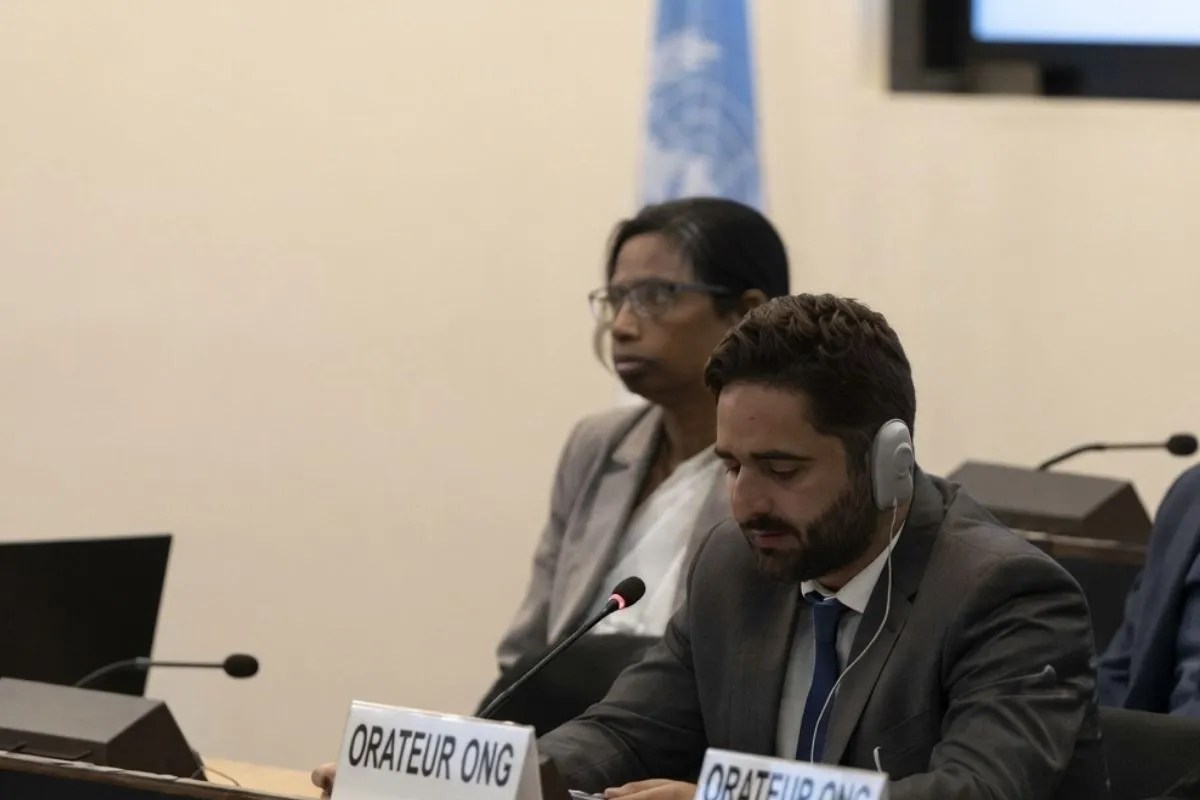
Consider how specific figures and controversies are dragged into these speeches. Names are dropped not to illuminate truth, but to serve as tribal totems. If you invoke certain individuals, you signal your allegiance to a specific coalition. If you denounce them, you signal membership in the opposing camp. It is high school cafeteria politics played out with nuclear arsenals in the background.
The danger of this institutional decay is not that the UN fails to solve crises. Everyone already knows it fails to solve crises. The danger is that it provides a moral laundering service for inaction. When a famine develops, a genocide unfolds, or a war erupts, governments can check the box marked "debated at the UN" and feel they have discharged their duties. The bureaucracy consumes billions of dollars, produces millions of pages of dead-tree resolutions, and leaves the victims of actual violence exactly where they started.
The Mechanics of Diplomatic Deflection
To truly grasp why these high-profile UN blowups occur with clockwork regularity, we must examine the utility of deflection. When domestic economic indicators turn sour, when corruption scandals threaten a ruling coalition, or when military stalemates drag on indefinitely, political leaders face a severe crisis of legitimacy.
The oldest playbook in authoritarian and democratic governance alike is externalization. By manufacturing a grand confrontation on an international stage, a leader forces the domestic populace to choose a side. Nuance dies. Criticism of domestic policy becomes equated with treason or betrayal.
When Netanyahu speaks at the UN, or when his harshest critics take turns denouncing him from the very same podium, they are executing this deflection maneuver in high definition. The international community becomes a convenient prop. The podium becomes a pulpit for domestic salvation. Watch the television coverage in any of the participating countries following these sessions. The domestic media does not analyze the economic impact of sanctions or the logistics of ceasefire negotiations; they focus entirely on the emotional performance. Did our leader look strong? Did the rival delegation look foolish? Did we show them?
This infantilization of foreign policy discourse is poisoning national security decision-making across the globe. Citizens are conditioned to treat geopolitics like a football match, where winning is measured in theatrical insults and walkout counts rather than strategic stability and conflict reduction.
Unconventional Reality
If you want to understand where global politics is actually heading, stop watching the plenary sessions. Turn off the live streams of leaders shouting into microphones while delegates check their phones.
Watch bilateral trade negotiations conducted via encrypted messaging apps. Watch port infrastructure investments in the Indo-Pacific. Watch rare earth mineral supply agreements signed in quiet office parks in Singapore. That is where the world is being rewritten. The UN General Assembly is merely the museum where we display the ruins of the last century's optimism.
Calling out moral cowardice at a podium where nobody bears the cost of their words is the cheapest game in town. The next time a fiery speech dominates the headlines and sparks diplomatic tantrums across continents, remember the golden rule of modern geopolitics. If they are shouting about it in public, it is because they cannot afford to fix it in private.
Stop demanding that the theater become real. Accept that the theater is all they have left.