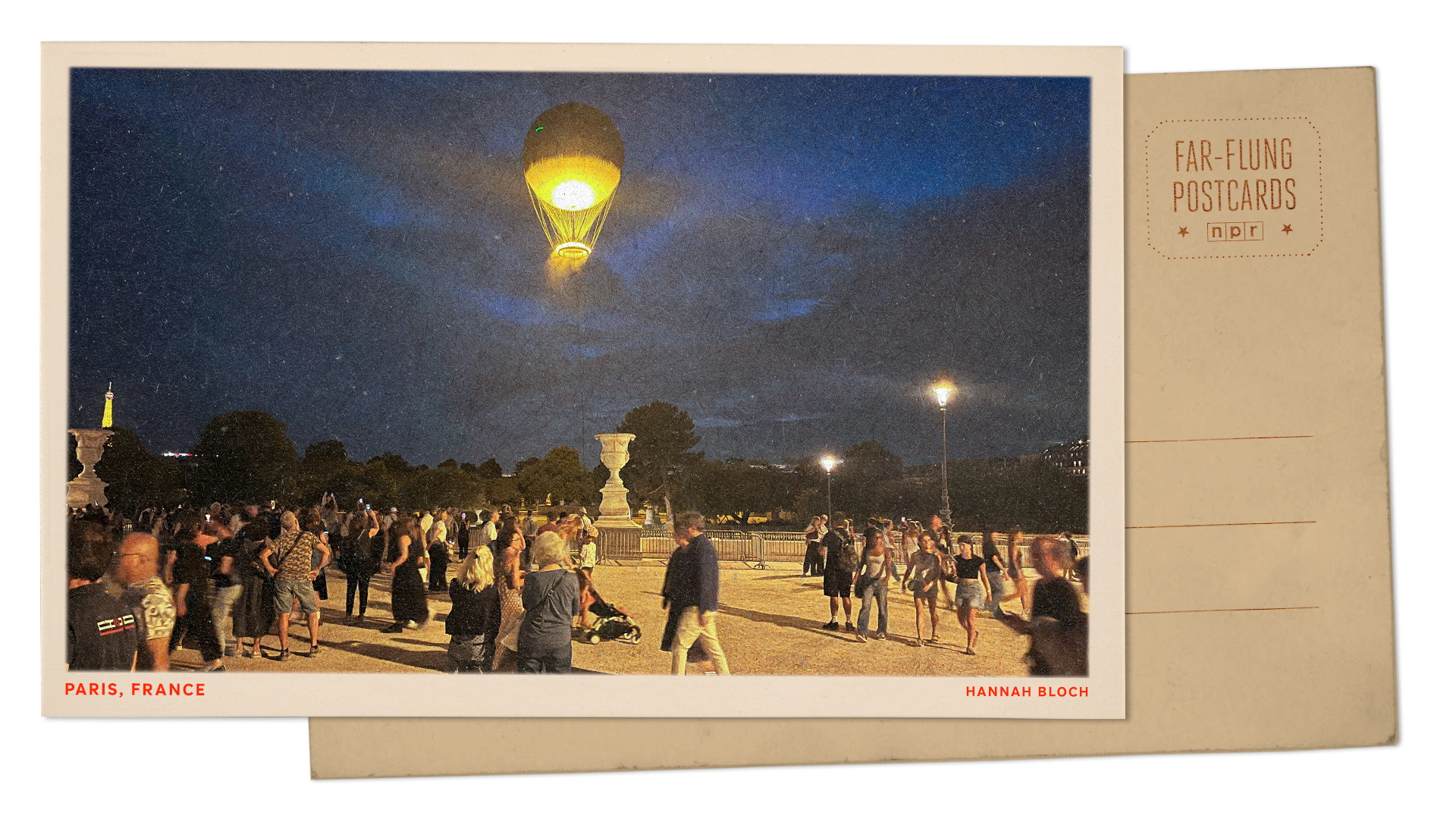
Every summer, commentators flock to the Jardin des Tuileries, gaze into the Parisian dusk, and lose their minds over a tethered clump of nylon and LEDs. They write breathless dispatches about the glowing ring floating into the sky, framing it as a triumph of pure, unfiltered magic. They call it an event of no purpose other than delight. They compare it to childhood fairy tales and sigh about how the world needs more innocent wonder.
It is a comforting narrative. It is also a lazy one. If you enjoyed this article, you should check out: this related article.
Strip away the romantic mist generated by industrial-grade water vapor machines and electric lights, and what you are actually watching is a masterclass in municipal nostalgia masking structural decay. We are told to stand shoulder-to-shoulder on the grass, put our phones away, and marvel at a ghost. Why? Because admitting that modern mega-events leave behind multi-billion-dollar bills, displaced populations, and cynical public relations exercises is far too depressing for travel columnists to process.
Let us dismantle the illusion. For another perspective on this development, check out the recent coverage from The Athletic.
The core myth of the returning Paris cauldron is that it represents an eco-friendly, sustainable legacy. Designer Mathieu Lehanneur and utility giant EDF engineered a smokeless, fuel-free spectacle powered by water and LEDs. Technologically, credit is due. It is neat engineering. But substituting propane with zero-emission lightbulbs does not alter the fact that the object is an expensive monument to corporate greenwashing and bureaucratic self-preservation.
When politicians mandate the return of an Olympic artifact year after year, they are not celebrating sport or community. They are propping up a standardized dopamine hit. They are manufacturing a tourist trap disguised as poetry.
Consider the economics of urban nostalgia. Cities that host global spectacles routinely blow through public coffers, leaving citizens to foot maintenance bills while basic infrastructure frays. Yet, when the bill comes due, authorities wheel out a helium-filled publicity stunt to change the subject. Millions of visitors flood the French capital to snap a selfie beneath a glowing circle, spending capital on overpriced bistros while local housing crises worsen and public services face severe cuts. The balloon goes up, and critical oversight comes down.
Imagine a scenario where cities invested the same bureaucratic energy into fixing affordable housing that they expend on tethering glowing rings above tourist hubs. The contrast highlights the absurdity. We cheer for an illuminated prop because it requires no critical thought. It asks nothing of us except that we look up, feel a brief tingle of collective sentimentality, and forget the systemic failures happening right beneath our feet.
The lazy consensus claims this artifact brings people together. I have spent enough time navigating the cynical underbelly of major sports administration to know that forced legacy projects achieve the opposite. They divide cities into two camps: tourists and marketers who profit from the myth, and locals who pay for the privilege of navigating congested sidewalks for a recycled photo-op.
True cultural vitality does not need to be resurrected by presidential decree or corporate sponsorship. Authentic public spaces belong to the everyday lives of residents, not to nightly theatrical routines designed to justify past municipal overspending.
Stop treating an electric nightlight as a moral awakening. Put down the rose-colored glasses, look past the Tuileries pond, and stop paying homage to a corporate balloon that only goes up because the truth is too heavy to lift.