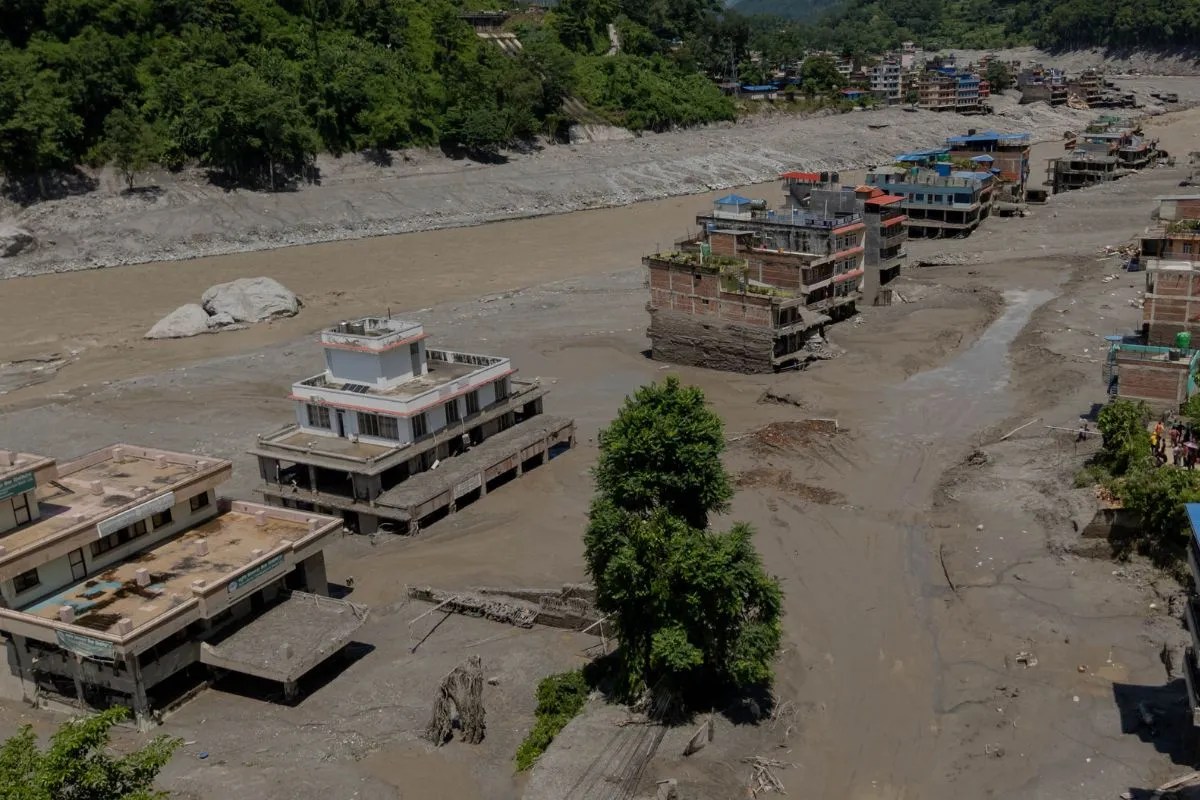
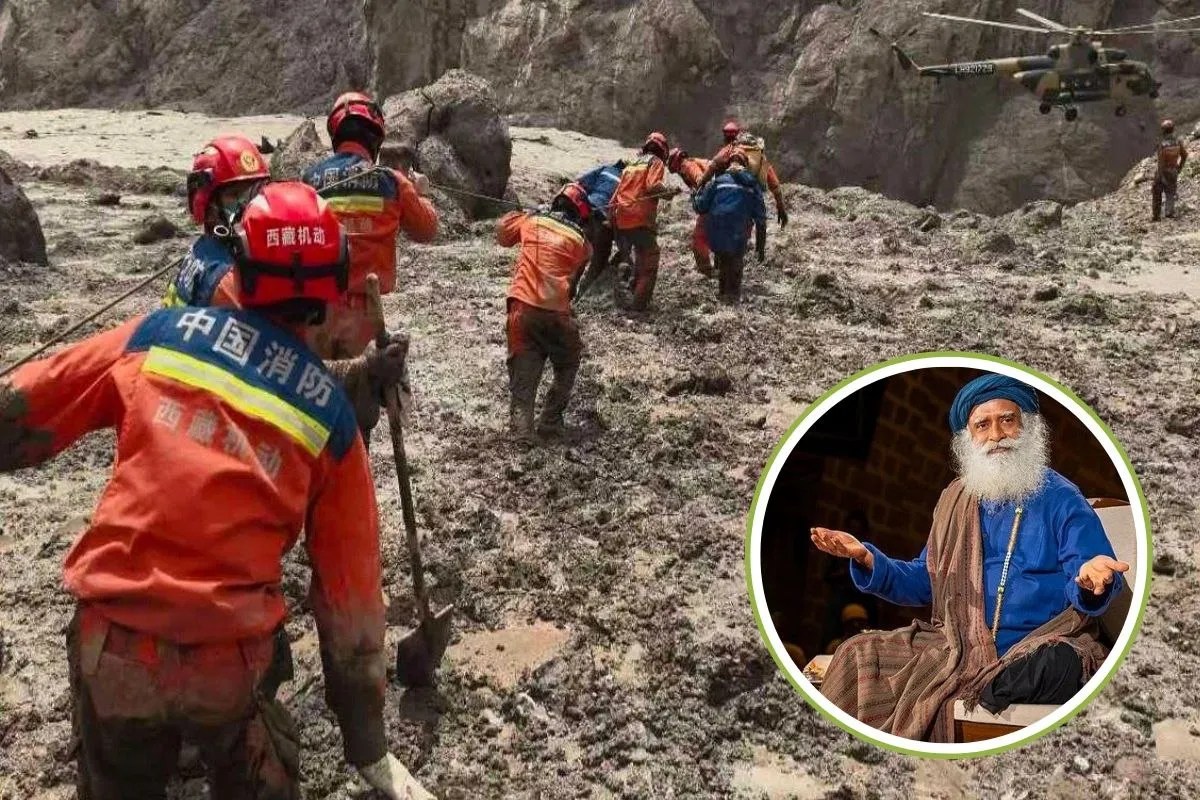
Every monsoon season, the headlines write themselves. Flash floods sweep through the valleys, landslides choke the mountain passes, and the death toll ticks past grim milestones. The media rushes to broadcast the same tired narrative. We watch breathless reports of hovering choppers pulling stranded trekkers and villagers from perilous ledges, praising the swift mobilization of the state.
We are cheering for the ambulance at the bottom of the cliff while ignoring the fact that someone greased the brakes.
The standard media framing treats every disaster in the Himalayas as an act of purely meteorological god-wrath, met by a heroic, albeit under-resourced, rescue apparatus. That narrative is comfortable. It paints a picture of brave pilots fighting impossible odds against nature. It is also fundamentally dishonest. The obsession with high-profile helicopter extractions masks a structural failure in local emergency response, regulatory indifference toward rogue operators, and a disaster management framework that prioritizes optics over infrastructure.
I have spent years analyzing high-altitude expedition logistics and emergency response networks across South Asia. I have watched millions of dollars in international aid vanish into bureaucratic black holes while local health posts run out of gauze. The truth nobody in the tourism boards or insurance boardrooms wants to admit is that our current rescue model in Nepal is not just failing. It is actively incentivizing carelessness.
The Myth Of The Heroic Chopper
Let us dismantle the primary delusion: the helicopter as the ultimate equalizer.
When a trekker goes missing or a village gets cut off, the default reflex of the international insurance desk and the Kathmandu syndicate is to scramble a bird. It makes for fantastic social media footage. It reassures anxious families back in London or Sydney that someone is taking action.
It is also an inefficient, high-risk theater that drains resources from where they are actually needed.
Helicopters in the high mountains are constrained by weather, altitude density altitude limits, and narrow valley corridors. During major monsoon events or massive seismic or weather crises, those choppers are often grounded for days. When they finally fly, they operate under immense pressure to clear backlogs, leading to dangerous piloting decisions. Meanwhile, ground-based first responders—the local guides, tea-house owners, and village porters who actually know the terrain—are sidelined, underfunded, and treated as unskilled labor rather than the primary tactical asset they are.
The lazy consensus says we need more helicopters, more foreign funding, and faster dispatch times.
The reality is that we need fewer fly-ins and vastly superior prepositioned local response units. If a village is cut off by a landslide, a helicopter coming in three days later with a box of dry noodles is a PR stunt, not disaster relief. The infrastructure should already be there.
The Insurance Fraud And The Inflation Of Risk
You cannot talk about the Nepal rescue economy without looking at the grotesque financial incentives driving it.
For years, an unholy alliance of rogue trekking agencies, corrupt guides, and shady medical clinics engineered fake rescue operations to milk travel insurance companies. A trekker gets a mild case of altitude sickness or a twisted ankle, and suddenly they are being airlifted to a private hospital in Kathmandu for a minor sprain, triggering a twenty-thousand-dollar insurance payout.
The insurance industry responded the only way it knew how: by jailing rates for everyone, adding labyrinthine exclusions, and introducing friction that genuinely harms people facing real, life-threatening emergencies.
When you commercialize disaster response to the point where an evacuation is treated like a high-margin tourism product, the entire ecosystem rots. Tourists are sold a fantasy that they can wander into the wilderness with zero survival capability because a flying taxi will pluck them from danger the second it starts raining hard. That mindset kills people. It strips away personal accountability and replaces it with a dangerous consumerist mindset applied to mountaineering.
Real safety in the mountains does not come from a satellite messenger button linked to an insurance policy. It comes from competence, redundancy, and local resilience.
What Real Mitigation Looks Like
If we stopped treating every monsoon catastrophe as an unexpected black swan and started treating it as an annual statistical certainty, the death toll would plummet.
First, we need to decentralize emergency authority. Centralizing dispatch out of Kathmandu offices where bureaucrats look at fuzzy weather radar is a recipe for delay. True agility requires empowering district-level disaster management committees with autonomous budgets and direct communication lines to local trekking cooperatives.
Second, stop subsidizing the helicopter-first mindset. Insurance underwriters and government regulators need to mandate tiered response protocols. Ground teams and satellite-linked early warning systems must take precedence over immediate air extraction for non-critical incidents.
Third, invest ruthlessly in local capability. The people who pull bodies from the mud and guide lost tourists back to safety are not auxiliary volunteers; they are the backbone of the entire Himalayan economy. Yet they are paid pennies, lack basic personal protective equipment, and receive zero formal disaster-medicine training. Give them the tools, the authority, and the compensation they deserve.
Until we dismantle the rescue-industrial complex that profits off drama and relies on reactive panic, the death toll will continue to climb, no matter how many choppers we paint on the brochures.
Stop waiting for the weather to clear. Fix the foundation.