We live in an era where the public square has been replaced by a ring light, and every human interaction is treated as raw inventory for algorithmic consumption. When an influencer broadcasts their entire waking existence to thousands of anonymous strangers, they are not documenting reality. They are manufacturing a hyper-real Truman Show where consent is treated as an optional software update.
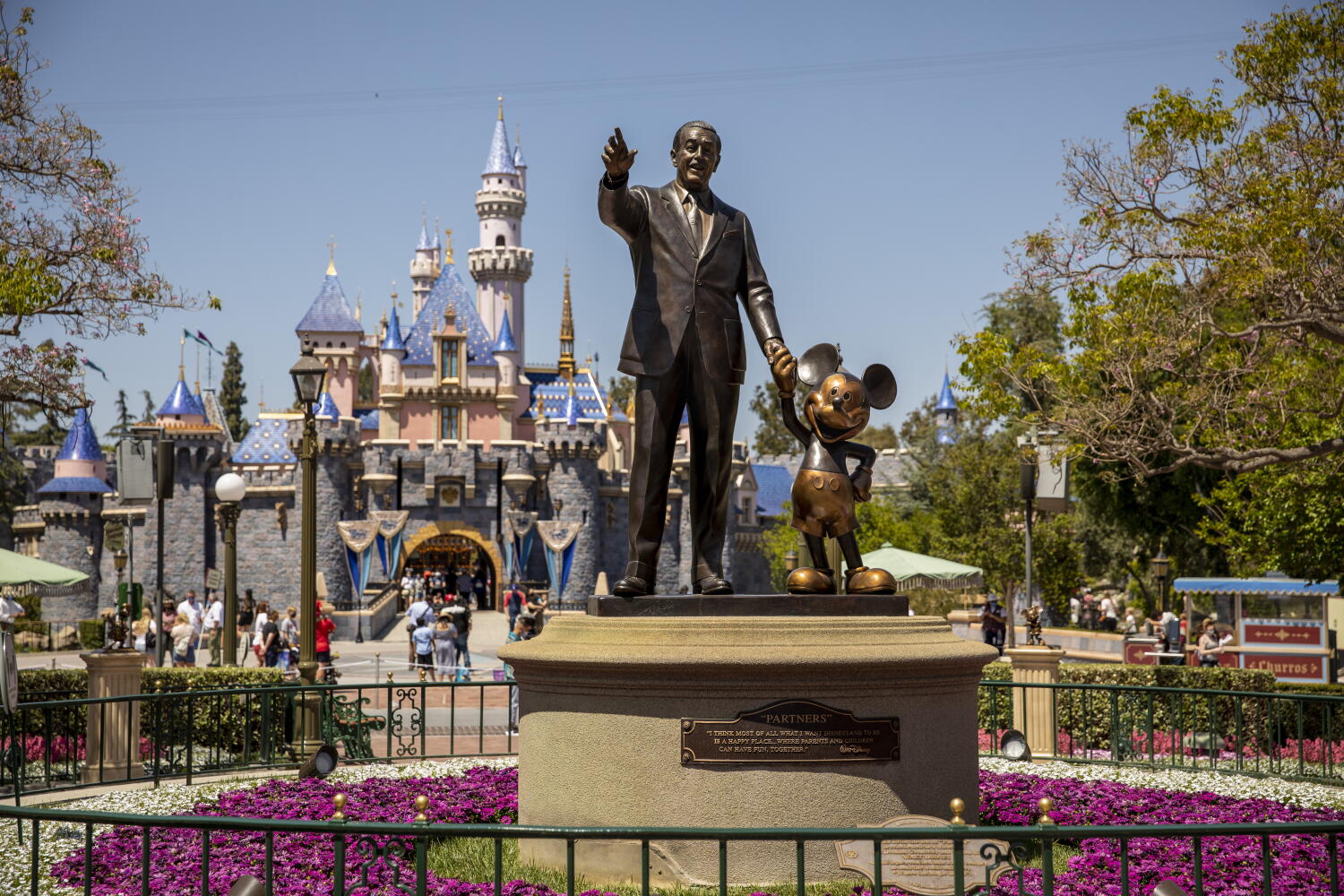
The media circus surrounding the recent arrest at a theme park following a livestreamed incident misses the entire structural rot at the center of modern creator culture. The lazy consensus in every mainstream write-up is simple: bad man commits crime on camera, police arrest bad man, justice is served. It is a neat, comforting narrative that lets everyone ignore the profound sickness of broadcasting every second of public life without the explicit, documented consent of everyone caught in the frame. Don't forget to check out our previous coverage on this related article.
Let us be entirely clear about how modern attention economies operate.
I have watched creators chase engagement metrics down dark alleys, turning public spaces into private monetization studios. They walk through crowded theme parks, streets, and restaurants with multi-cam setups, treating every bystander, child, and passerby as an involuntary extra in their personal commercial. When you point a live camera at a crowd of hundreds of thousands of concurrent viewers, you fundamentally alter the physics of public space. You strip away the fundamental human right to anonymity in a crowd. If you want more about the context here, Al Jazeera offers an excellent breakdown.
Yet, the moment a negative interaction occurs—as it inevitably does when you broadcast your location in real-time to the digital underworld—the creator pivots instantly from independent media mogul to fragile victim.
This is the cognitive dissonance at the heart of the influencer industrial complex. You cannot demand the commercial upside of unmediated, 24/7 hyper-exposure while simultaneously expecting the predictable safety margins of a controlled television set.
The Illusion of Public Consent
Every major platform operates under the legal fiction that filming in public is entirely unrestricted. Legally, yes, you can stand on public property and record. But legal permission does not equal ethical execution.
Imagine a scenario where a local news crew films a public park for a evening broadcast. They capture B-roll, blur faces where necessary, and maintain a journalistic distance. Now compare that to a live-streaming creator walking backwards into strangers, reading chat room comments out loud, and monetizing the reactions of people who have no idea they are being beamed directly to an unfiltered digital mob.
The streamer is not reporting the news. They are performing. And when you perform live without a safety net, you are rolling the dice with your own physical safety for the sake of Super Chats and subscriber spikes.
When the inevitable collision happens between the performer's monetization funnel and the erratic behavior of an unvetted public, the media rushes to frame the creator as an innocent bystander struck by lightning. They gloss over the fact that the lightning rod was built, powered, and pointed directly at the crowd by the creator themselves.
The Metrics of Outrage
Why do creators refuse to turn off the stream? Because safety does not pay. Boredom kills engagement. The longer a stream runs without incident, the more the viewer count dips. Drama, confrontation, and unexpected friction are the lifeblood of live-platform monetization.
We have incentivized a generation of digital personalities to walk directly into hazardous environments while narrating their own vulnerability to a chat room that treats human suffering like a video game spectator sport. When a creator refuses to de-escalate, refuses to put the phone away, and instead shoves the lens closer to an unstable person to capture the "content," they are trading physical safety for clout.
The arrest in question satisfies the legal system, but it does nothing to address the cultural rot. It acts as a band-aid on a gushing wound caused by the normalization of non-consensual surveillance capitalism disguised as entertainment.
Dismantling the Digital Panopticon
If we are going to fix the ecosystem, we need to stop treating influencers as passive victims of the public spaces they choose to monetize.
First, platforms must update their terms of service regarding real-time public broadcasting. Streaming crowds without structural delay or mandatory privacy buffers on bystanders should face strict throttling or demonetization. If you are broadcasting strangers live, you are operating a broadcast network, and you should be held to the ethical and legal standards of one.
Second, viewers need to stop rewarding trauma-tourism. When you click on a stream where a creator is actively baiting conflict or walking blindly through high-risk areas for reactions, you are funding the hazard.
Public spaces belong to the public, not to your subscriber count. Turn off the camera, put down the phone, and experience reality without a filter between you and the world.