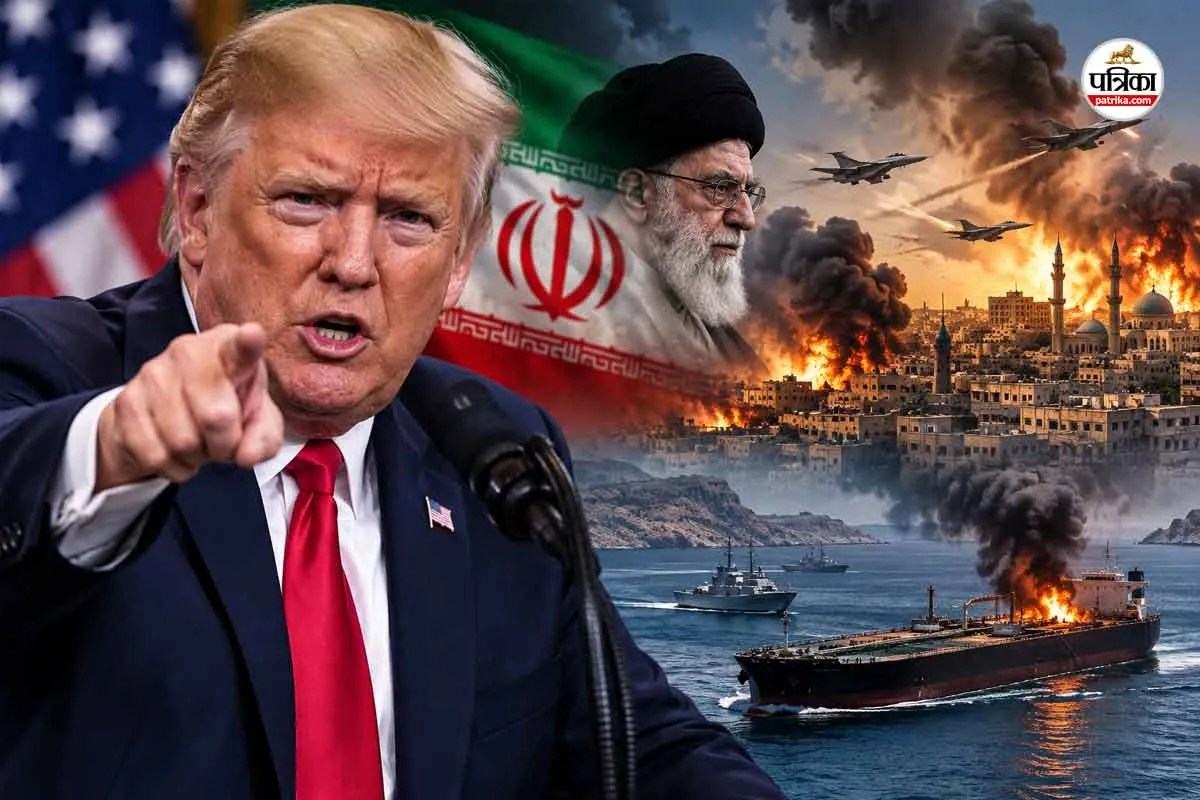
The Strait of Hormuz is burning again, right as Washington insists the war with Iran is almost over.
Just this week, a vessel operated by Abu Dhabi's ADNOC Logistics & Services came under attack while transiting the waterway, leaving one crew member missing and eleven injured. Iran's military also claimed three oil tankers struck naval mines and caught fire in the eastern strait after shutting off navigation systems in areas Tehran declared off-limits, while U.S. aircraft carried out strikes on an Islamic Revolutionary Guard Corps missile launch site on Qeshm Island.
Meanwhile, President Donald Trump says he'll wrap the conflict up soon, and Vice President JD Vance insists the administration won't let it drag into a two-year slog. Tehran, on the other hand, hasn't blinked. Iranian officials say they're still in a state of war and won't tie their posture to foreign politics.
If you're trying to figure out whether this flare-up is a brief blip or another shockwave for fuel and food prices, look past the speeches. Nearly nine months into the conflict that erupted after U.S. and Israeli strikes on Iran in late February 2026, the gap between political optimism and maritime reality is wide—and expensive.
Why Strait of Hormuz Tensions Keep Flare-Ups Alive
Politicians love a neat off-ramp. Shipping lanes don't care about election calendars or diplomatic talking points.
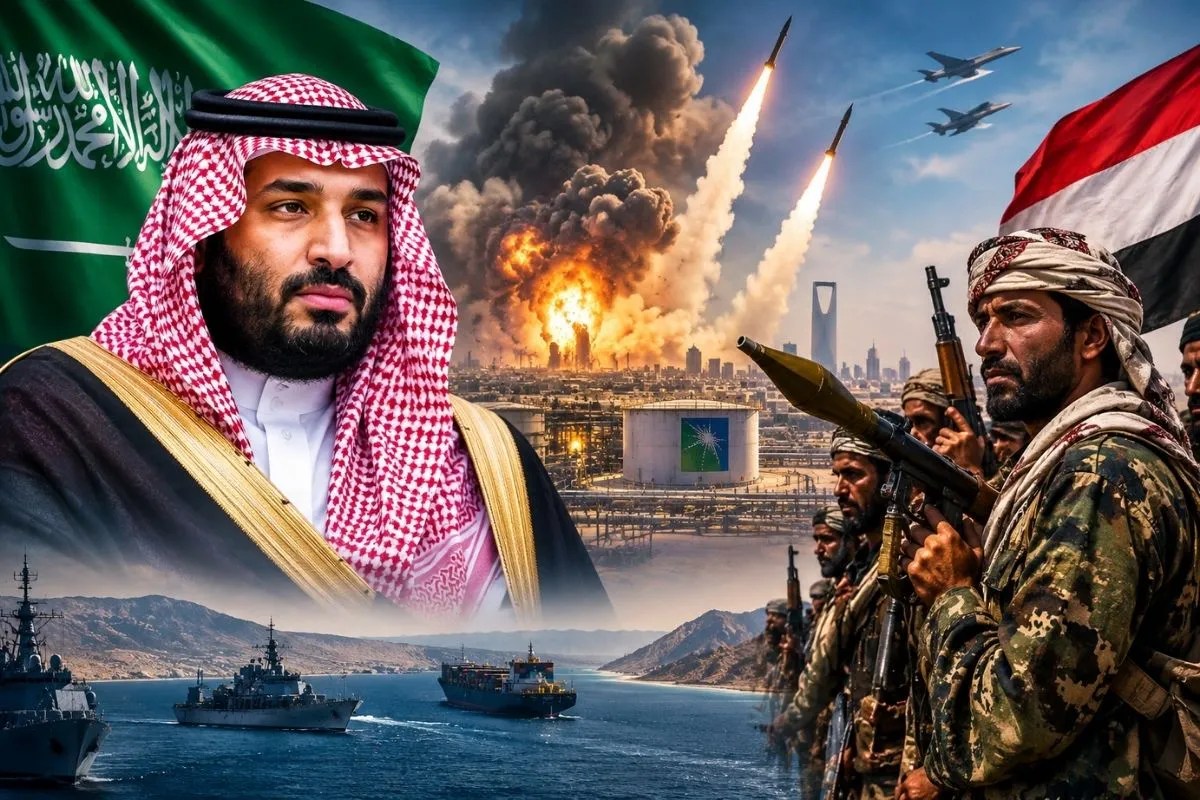
Even after diplomatic mediators like Oman and Qatar stayed in the mix, tit-for-tat strikes have returned with alarming regularity. U.S. forces hit targets on Qeshm Island, Iran launched drones toward U.S. military sites in Bahrain and Kuwait, and commercial ships kept taking hits. When a single narrow chokepoint sits right between Iranian shore batteries, islands, and vital Gulf shipping routes, "limited" actions rarely stay contained.
Trump has argued that the U.S. has total control of the strait and doesn't need help from China or Russia to finish the war. Yet shipping crews and insurers are the ones absorbing the real risk on the water. You can claim control in a press briefing, but if a seafarer goes missing off Khasab or mines spark fires on tankers, captains slow down, reroute, or hesitate.
Honestly, that's the mistake plenty of commentators make when watching this crisis. They treat the Strait of Hormuz like an on-off light switch. It isn't. It's more like a frayed electrical wire—even when the main breaker looks steady, a small spark can knock out power miles away.
What Trump Promises vs. What Tehran Actually Signals
Listen closely to the contrast in tone coming out of Washington and Tehran.
In Washington, the message revolves around containment and closure. Trump has said he wants a lasting deal and intends to finish things off soon, while Vance has stressed that the administration won't let the war become a multi-year commitment. At the same time, Trump has boasted about holding leverage over the strait and pressed ahead with pressure campaigns, including U.S. blockades and targeted strikes.
Tehran's message sounds very different. Iranian officials have pushed back hard against the idea that hostilities are winding down on someone else's timeline. From Tehran's perspective, ongoing U.S. surveillance, port blockades, and retaliatory strikes mean the state of war hasn't ended.
Why Mixed Signals Confuse Markets
Markets hate contradictions, and right now they're getting plenty of them.
One day, officials talk up diplomatic openings and falling crude prices; the next, drones are intercepted over Gulf states and another commercial ship is hit. Even when oil prices dip on hopes of de-escalation or oversupply concerns, underlying physical risks haven't vanished.
International Energy Agency head Fatih Birol warned that the Hormuz crisis has created the largest threat to energy security in history, dwarfing the oil shocks of the 1970s as buffers get drawn down and households face higher costs or supply squeezes. A single diplomatic headline can shave dollars off a barrel for an afternoon, yet a single projectile or mine strike can send war-risk premiums soaring again.
The Hidden Shockwaves Beyond Crude Oil
Most headlines fixate on crude oil. That's understandable, since roughly a fifth to a quarter of global seaborne oil trade normally moves through Hormuz. Still, stopping at oil misses two massive pressure points that hit everyday life harder in plenty of countries.
First is liquefied natural gas and refined fuels. Disruptions in the Gulf and damage to regional energy infrastructure have rattled gas markets—especially in import-dependent economies like Europe—while countries in South and Southeast Asia, including Bangladesh and Pakistan, have faced severe fuel shortages, rationing measures, and economic strain.
Second is fertilizer and food security. That's the angle way too many people overlook. According to the Council on Foreign Relations, up to roughly 30% of internationally traded fertilizers typically transit the Strait of Hormuz, alongside huge shares of global urea and ammonia exports. Combine higher diesel and fertilizer costs with climate shocks like El Niño, and farming budgets get squeezed fast. Higher planting costs today turn into pricier groceries and worse hunger risks months later.
Insurance costs tell a similar story. Before the crisis, war-risk insurance premiums for transiting Hormuz were a tiny fraction of a percent; during the crisis, they surged dramatically, adding millions of dollars to a single large tanker voyage. Even when alternative routes and offshore transfers keep a chunk of crude moving, higher freight and insurance bills still ripple through global supply chains.
Common Myths About Strait of Hormuz Crises
A few persistent myths keep tripping people up whenever tensions spike in the Gulf:
- Myth 1: "If the U.S. Navy escorts ships, shipping goes back to normal." Naval escorts and strikes can deter certain moves and keep lanes partially open, yet asymmetric threats—mines, drones, small craft, and missiles—still create real hazards. Escorts don't erase risk; they manage it at high cost.
- Myth 2: "Oil-producing nations can easily bypass Hormuz overnight." Pipelines and offshore transfers help, and countries with massive reserves—like China's strategic and commercial stockpiles—have more cushion than import-reliant economies. Even so, pipelines have finite capacity, and LNG and fertilizers don't simply teleport around bottlenecks.
- Myth 3: "A political speech saying the war will end soon settles the crisis." Rhetoric can shift sentiment briefly, but lasting calm requires verifiable security on the water and durable diplomatic agreements that both sides actually honor.
Practical Steps If You Manage Business, Fuel, or Household Budgets
You don't need a trading desk to make smarter decisions while Hormuz remains volatile. Keep your plan practical and grounded in cash flow rather than guesswork.
If you run a business that relies on freight, energy, or agricultural inputs, audit your exposure right now. Ask suppliers where their fuel, chemicals, or fertilizers originate, check whether war-risk surcharges or fuel-adjustment clauses are creeping into invoices, and avoid single-supplier lock-in where alternatives exist. Locking in partial supply or building modest safety stock makes more sense than betting everything on an immediate ceasefire.
If you're planning personal finances or household budgets, focus on what you control. High energy and food costs tend to show up in groceries, utility bills, and transport long after—or even when—headline crude prices look calm. Keep a healthy cash buffer, avoid taking on variable-rate debt stretched thin by rising living costs, and treat any sudden drop in pump prices as temporary relief rather than a guaranteed permanent reset.