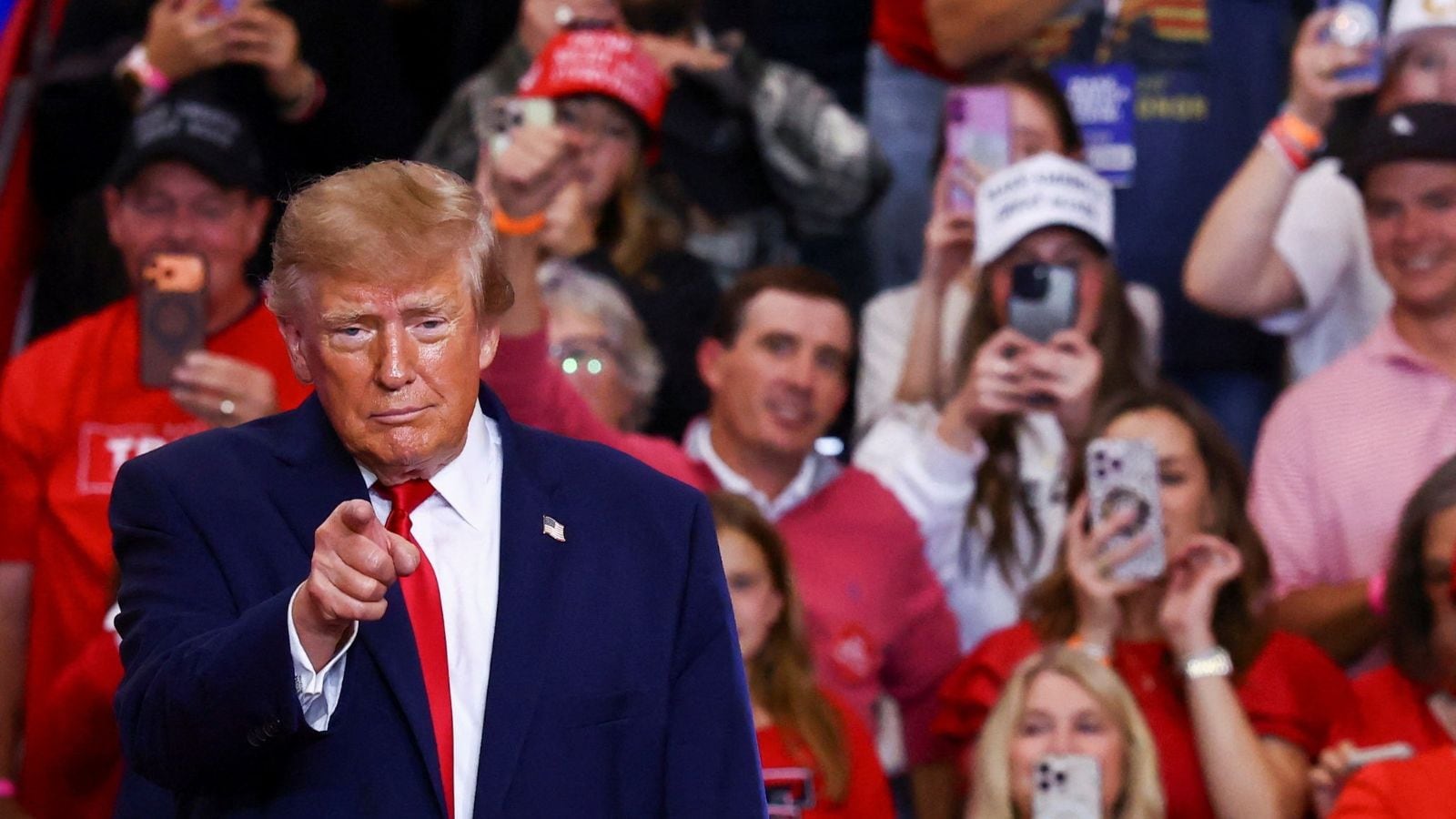
Coverage of Donald Trump’s claim that Gulf countries want the "greatest naval blockade of history" to continue tends to treat regional geopolitics like a binary choice between war and peace. That framing is convenient for cable news chyrons, and it completely misreads how maritime security, energy economics, and diplomatic hedging actually operate in the Persian Gulf.
To understand what is really happening when Washington characterizes Gulf sentiment around naval enforcement, you have to look past the rhetoric of total blockades and examine the structural reality of global maritime law, regional vulnerability, and the sharp divergence between public statements and private risk management.
What the "Blockade" Framing Gets Wrong
In international law, a naval blockade is a specific act of war governed by the San Remo Manual on International Law Applicable to Armed Conflicts at Sea. A true blockade bars all vessels—regardless of flag or cargo—from entering or exiting a specified coastline, requires formal declaration, must be impartial, and must be physically maintained to be legally valid.
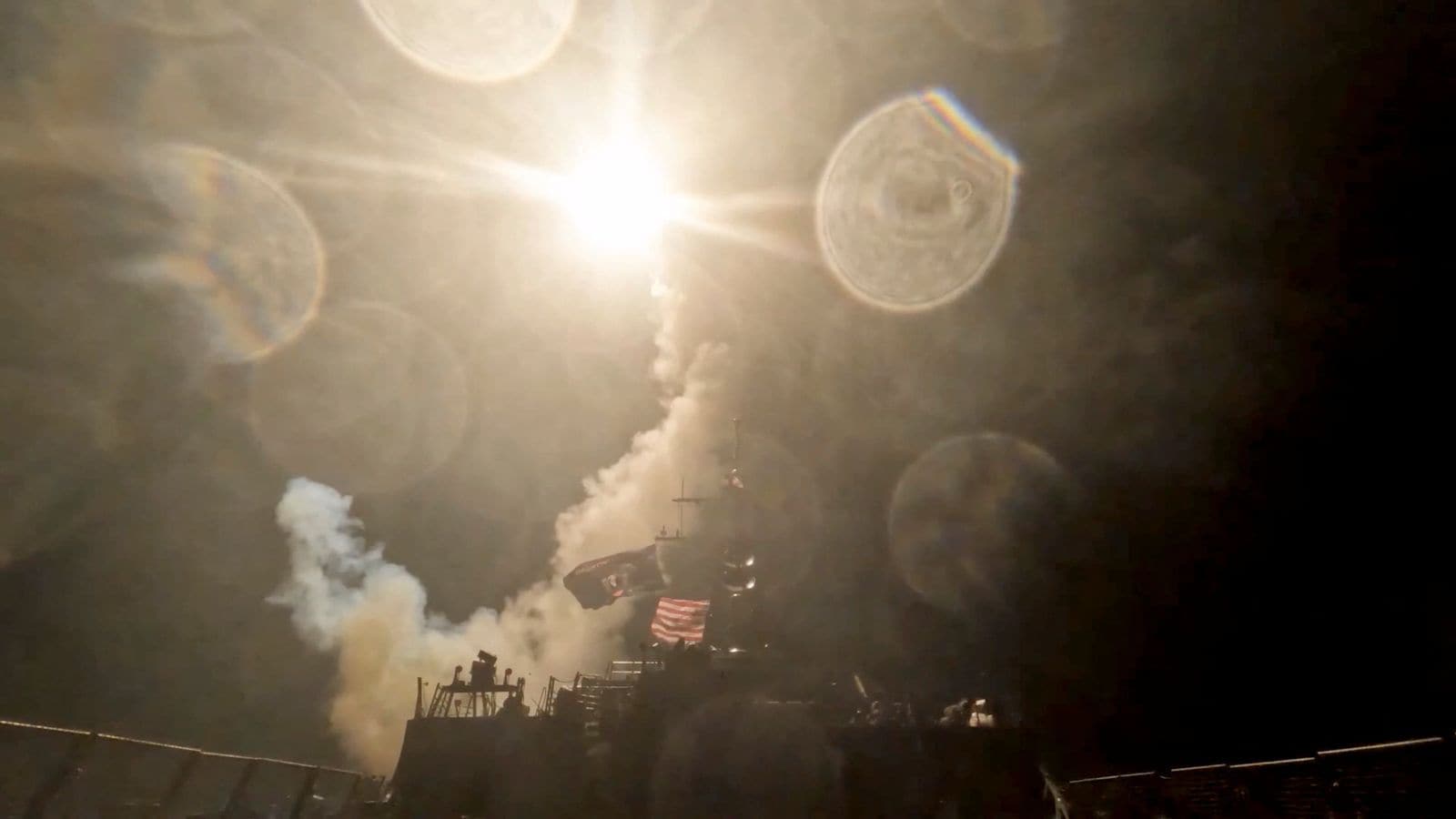
What the United States and its coalition partners have historically conducted in the Persian Gulf and surrounding waters—such as the International Maritime Security Construct or Operation Prosperity Guardian in the Red Sea—are maritime interdiction operations, freedom-of-navigation patrols, and targeted sanctions enforcement. Calling maritime interdiction or sanctions pressure "the greatest naval blockade of history" conflates aggressive naval posturing with an actual legal blockade.
For Gulf Cooperation Council (GCC) states—Saudi Arabia, the United Arab Emirates, Qatar, Kuwait, Bahrain, and Oman—that distinction is not academic. It is existential.
The Structural Paradox Facing Gulf Capitals
The standard media narrative suggests Gulf monarchies secretly cheer maximum naval confrontation because it weakens their regional adversaries. Analysts at institutions like the International Institute for Strategic Studies (IISS) and the Center for Strategic and International Studies (CSIS) have repeatedly documented a much more complicated reality.
Gulf states sit on the receiving end of regional escalation. When maritime chokepoints tighten, three immediate consequences hit GCC economies:
- Export Strangulation: Roughly one-fifth of global petroleum liquids consumption passes through the Strait of Hormuz. Even with overland bypass pipelines like Saudi Arabia's East-West Pipeline (Petroline) and the UAE's Habshan-Fujairah pipeline, the region cannot reroute the majority of its crude or liquefied natural gas (LNG) exports. Qatar, one of the world's top LNG exporters, has zero pipeline bypass capacity to bypass Hormuz entirely for its seaborne cargo.
- Desalination Vulnerability: Major Gulf coastal cities depend on desalination plants for up to 90 percent of their potable water. A naval conflict or widespread maritime mining in the Persian Gulf threatens water intake infrastructure within days, not months.
- War-Risk Insurance Spikes: Markets do not wait for a formal blockade to punish shipping. Even limited naval friction sends Lloyd's of London war-risk premiums soaring, raising the landed cost of every imported food item, industrial component, and consumer good entering Jebel Ali, Dammam, or Doha.
A prolonged, full-scale naval blockade does not isolate one actor in the Persian Gulf. Because of the geography of the basin, shutting down or heavily militarizing the Strait of Hormuz traps everyone inside the same bottleneck.
What Gulf Leaders Actually Signal vs. How Washington Frames It
Political rhetoric in Washington often translates complex regional bargaining into unconditional endorsement. According to public diplomatic readouts and regional reporting over the past several years, Gulf states have consistently pursued a dual-track strategy rather than endorsing open-ended naval escalation.
On one track, GCC governments rely on the United States security umbrella to deter direct state-on-state aggression and keep sea lanes open against asymmetric threats, such as unmanned surface vessels, mines, and fast-attack craft. In this narrow sense, Gulf defense ministries value a visible, credible naval presence that deters harassment of commercial tankers.
On the other track, Riyadh, Abu Dhabi, and Doha have invested heavily in diplomatic de-escalation. The 2023 Beijing-brokered normalization agreement between Saudi Arabia and Iran, alongside the UAE’s restoration of ambassadorial ties with Tehran, reflected a deliberate calculation by Gulf leadership: American naval power alone cannot insulate Gulf infrastructure from drone and missile retaliation if a confrontation spirals out of control.
When U.S. political figures claim Gulf nations want a historic blockade to continue, they are frequently projecting a maximalist American deterrence posture onto regional partners whose primary goal is predictable maritime transit and commercial stability.
Why Maritime Chokepoints Resist Simple Force
Consider a scenario where a naval coalition attempts to enforce a strict, indefinite blockade against a major littoral state in the Persian Gulf while allowing allied commercial tankers to pass freely.
In open ocean warfare, naval superiority dictates who controls the sea lanes. In a narrow, shallow body of water like the Strait of Hormuz—just 21 nautical miles wide at its narrowest point, with two-mile-wide shipping lanes separated by a two-mile buffer zone—asymmetric geography neutralizes conventional naval dominance.
- Shore-based anti-ship cruise and ballistic missiles can target vessels across the entire width of the strait with minimal warning time.
- Naval mines laid by small commercial dhows or submarines can halt commercial shipping insurance immediately, regardless of how many aircraft carriers or destroyers patrol the area.
- Commercial operators self-detain. Major shipping lines like Maersk, MSC, and Hapag-Lloyd do not wait for naval escorts to test live-fire zones; they reroute around the Cape of Good Hope or suspend bookings at the first credible threat of kinetic exchange.
This is why naval historians and maritime strategists distinguish between sea control (preventing an adversary from using the sea) and sea denial (preventing anyone from using the sea safely). A superpower can achieve sea control against a regional navy, yet a regional actor with cheap coastal defenses can still achieve sea denial against commercial shipping.
The Economic Reality Behind the Rhetoric
If Gulf countries truly wanted a sustained naval blockade, global energy markets and regional sovereign wealth strategies would look completely different.
Saudi Arabia's Vision 2030 and the UAE's economic diversification plans require trillions of dollars in foreign direct investment, global tourism, logistics hub dominance, and aviation connectivity. None of those sectors survive prolonged maritime warfare on their doorstep.
Furthermore, sustained naval tension distorts oil markets in ways OPEC+ producers struggle to manage. While short-term geopolitical risk premiums temporarily lift Brent crude prices, prolonged supply disruption accelerates demand destruction, pushes consuming nations toward strategic reserve releases, and incentivizes long-term shifts away from Gulf energy suppliers. Gulf oil ministers have spent decades trying to position themselves as reliable, stable suppliers—precisely the opposite image projected by an active naval blockade.
How to Read Future Claims About Gulf Naval Operations
When headlines report sweeping claims about naval blockades or unanimous Gulf backing for aggressive maritime measures, three specific indicators reveal what is actually happening on the water:
- Joint Maritime Task Force Participation: Watch which GCC navies formally commit hulls and command officers to U.S.-led task forces versus which ones quietly limit their involvement to intelligence sharing or port access. Formal participation signals genuine regional buy-in; quiet abstention signals fear of retaliation.
- War-Risk Insurance Advisories: Track notices from the Joint War Committee in London. If underwriters expand listed high-risk areas in the Persian Gulf or Gulf of Oman, commercial risk is rising regardless of diplomatic assurances.
- Official GCC Foreign Ministry Statements: Compare political summaries in Washington with the exact wording released by the Saudi, Emirati, and Qatari foreign ministries. Gulf diplomatic language carefully distinguishes between "supporting freedom of navigation" and endorsing offensive naval operations.
Naval power in the Persian Gulf remains indispensable for deterring piracy, smuggling, and episodic harassment of merchant vessels. Treating maritime deterrence as synonymous with an indefinite, historic blockade ignores the basic geography, legal definitions, and economic survival instincts that govern every capital on the Gulf coast.