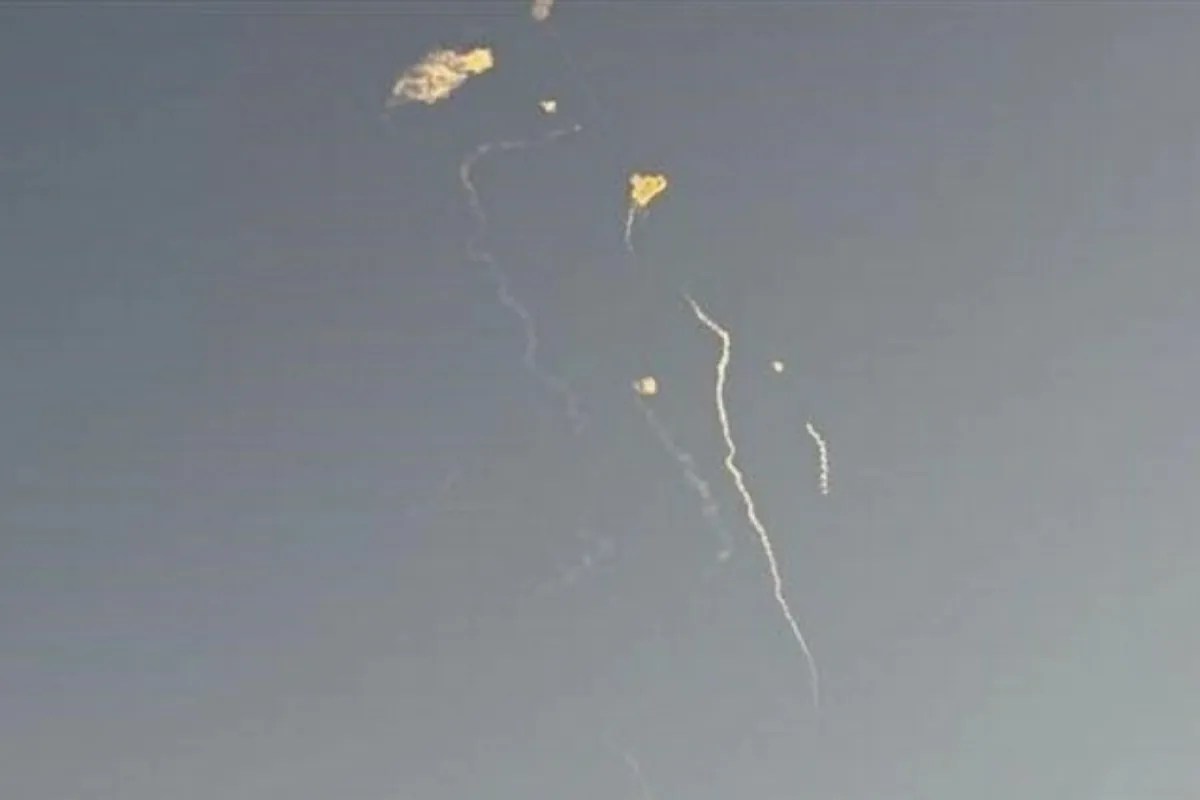
The United States Navy recently intercepted a swarm of Iranian one-way attack drones targeting commercial shipping vessels in the Strait of Hormuz. While the immediate tactical victory belongs to the coalition forces patrolling the world’s most critical maritime chokepoint, the incident exposes a deeper, structural vulnerability in global trade that military intervention alone cannot fix. Washington wants the world to believe the situation is under control. The reality on the water tells a completely different story.
Western defense strategies rely heavily on high-cost kinetic interception to neutralize low-cost asymmetric threats. This economic and tactical asymmetry is unsustainable. By launching cheap, domestically produced suicide drones, Tehran forces its adversaries to expend million-dollar air defense missiles to protect aging cargo hulls. This dynamic does more than just drain military inventories. It shifts the entire risk calculus for global shipping companies, marine insurers, and energy markets.
The Economics of Asymmetric Maritime Warfare
The math behind the defense of the Strait of Hormuz is fundamentally broken. A standard Iranian delta-wing attack drone, manufactured using off-the-shelf components and commercial GPS technology, costs anywhere from $20,000 to $50,000 to produce. Intercepting that same drone typically requires a ship-launched missile costing upwards of $2 million.
+-----------------------------------+-----------------------------------+
| Weapon System                     | Estimated Cost Per Unit           |
+-----------------------------------+-----------------------------------+
| Iranian One-Way Attack Drone      | $20,000 - $50,000                 |
| SM-2 Interceptor Missile          | $2,100,000                        |
| ESSM (Evolved SeaSparrow)         | $1,800,000                        |
+-----------------------------------+-----------------------------------+
Naval commanders cannot afford to play the lottery with incoming radar tracks. If an unidentified object flies toward a civilian tanker or a billion-dollar destroyer, the crew must fire. Iran knows this. The strategy is not necessarily to sink every target, but to impose a financial and logistical tax on Western naval presence until the cost of deterrence becomes too high to bear.
This attrition strategy extends beyond the military balance sheet. When a drone attack occurs, the ripples move instantly through the maritime insurance markets in London. War risk premiums spike. Shipping conglomerates face a brutal choice: pay the exorbitant insurance rates to transit the 21-mile-wide strait, or reroute vessels around the Cape of Good Hope, adding weeks to transit times and millions in fuel costs.
Beyond the Official Military Briefings
Pentagon press releases consistently emphasize the precision of allied response mechanisms and the ironclad commitment to the free flow of commerce. These statements mask a frantic scramble behind the scenes to adapt to a shifting operational environment.
The swarm tactics utilized in the latest encounter reveal significant advancements in Iranian command and control. These are no longer isolated, uncoordinated launches. The drones are deployed in mixed packages alongside fast-attack craft and shore-based anti-ship cruise missiles. This multi-domain approach is designed to saturate shipboard radar systems, forcing automated defense networks like the Phalanx CIWS or Aegis combat system to prioritize targets under extreme time pressure.
The Limits of Electronic Warfare
Many defense analysts point to electronic jamming and directed energy as the silver bullet for drone threats. The truth is far more complicated.
- Satellite Navigation Reliance: Early generations of civilian-grade drones were easily neutralized by spoofing GPS signals, causing them to lose orientation or crash.
- Inertial Guidance Backup: Newer iterations found in the Iranian arsenal utilize redundant inertial navigation systems that do not rely on external radio signals once the vector is locked.
- Optical Tracking: Some variants now deploy terminal optical guidance, allowing the drone to lock onto the physical silhouette of a large container ship without needing active radar or satellite feeds.
When electronic warfare fails, naval forces must rely on physical ammunition. Destroyers carry a finite number of vertical launching system cells. Rearming those cells requires returning to a specialized port, effectively removing a multi-billion-dollar asset from the theater of operations just to reload. Iran’s industrial capacity to produce basic airframes vastly outpaces the West's capacity to manufacture sophisticated interceptor missiles, creating a dangerous logistical bottleneck.
The Geopolitical Calculation Behind the Swarms
Tehran does not operate these drone networks in a vacuum. Every escalation in the Strait of Hormuz serves as a calibrated diplomatic lever. By demonstrating its ability to close the chokepoint through which one-fifth of the world’s petroleum passes, Iran signals its leverage to global superpowers.
"The message is clear: if our economy is restricted by international sanctions, the stability of the global energy supply will remain precarious."
This strategy specifically targets the vulnerabilities of energy-importing nations in Asia and Europe. Even a temporary disruption in crude oil tankers transiting the Persian Gulf triggers immediate spikes in Brent crude futures. The resulting inflationary pressure hits Western political leadership where it hurts most: at the domestic fuel pump.
Furthermore, this proxy-style warfare grants Iran a layer of plausible deniability. While the drones are undeniably of Iranian origin, the operations are often launched from obscure coastal sites or coordinated through regional non-state actors. This complicates the international legal framework for retaliation. A direct military strike on Iranian territory risks triggering a wider regional war that no Western administration wants to initiate, leaving the coalition stuck in a perpetual, reactive defensive posture.
Why Current Maritime Coalitions are Failing to Deter
The establishment of international maritime task forces was intended to project a unified front. Instead, it has highlighted the divergent economic and political interests of the participating nations.
Some regional powers refuse to openly align with US-led initiatives out of fear of direct retaliation from Tehran. Other nations provide only token support, unwilling to commit their primary naval assets to a grinding war of attrition. This lack of strategic cohesion creates gaps in the defensive umbrella that drone operators can exploit.
Commercial shipping companies have noticed this hesitation. They are increasingly taking matters into their own hands, hiring private maritime security teams and experimenting with onboard counter-drone technologies. However, a private security team armed with rifles cannot stop a military-grade suicide drone striking from the upper atmosphere. The burden remains squarely on state navies, which are currently burning through billions of dollars to maintain a fragile, temporary status quo.
The international community must face the reality that policing the Strait of Hormuz with traditional naval deployment is a losing proposition over a long horizon. As drone technology becomes cheaper, more autonomous, and more destructive, the gap between the cost of attack and the cost of defense will widen into a chasm. Relying on interceptor missiles to solve a geopolitical and economic crisis is a band-aid on a structural fracture. The shipping lanes will remain volatile as long as the underlying asymmetric economic imbalance is ignored.