The global economy runs on a knife-edge, and right now, that edge is the Strait of Hormuz. When maritime traffic through this narrow chokepoint stalls, energy markets don't just twitch—they flatline. If you've been wondering why fuel prices refuse to settle down or why international diplomacy between Washington and Tehran feels like a perpetual powder keg, you have to look straight at the Persian Gulf.
The ongoing standoff has transformed a vital shipping lane into a militarized zone. Tankers are dodging projectiles, insurance premiums are hitting absurd highs, and diplomatic backchannels involving global players like Russia and the United States are failing to produce a lasting ceasefire. Meanwhile, the crisis has bled southward into Yemen, pulling regional proxies and critical red-sea routes into the chaos.
The Chokepoint Trap
Let's look at the raw mechanics. Roughly a fifth of the world's liquefied natural gas and a massive chunk of its seaborne oil trade pass through the Strait of Hormuz daily. When the Islamic Revolutionary Guard Corps (IRGC) starts enforcing strict permissions, targeting vessels, and laying sea mines, the psychological impact on global shipping companies is immediate.
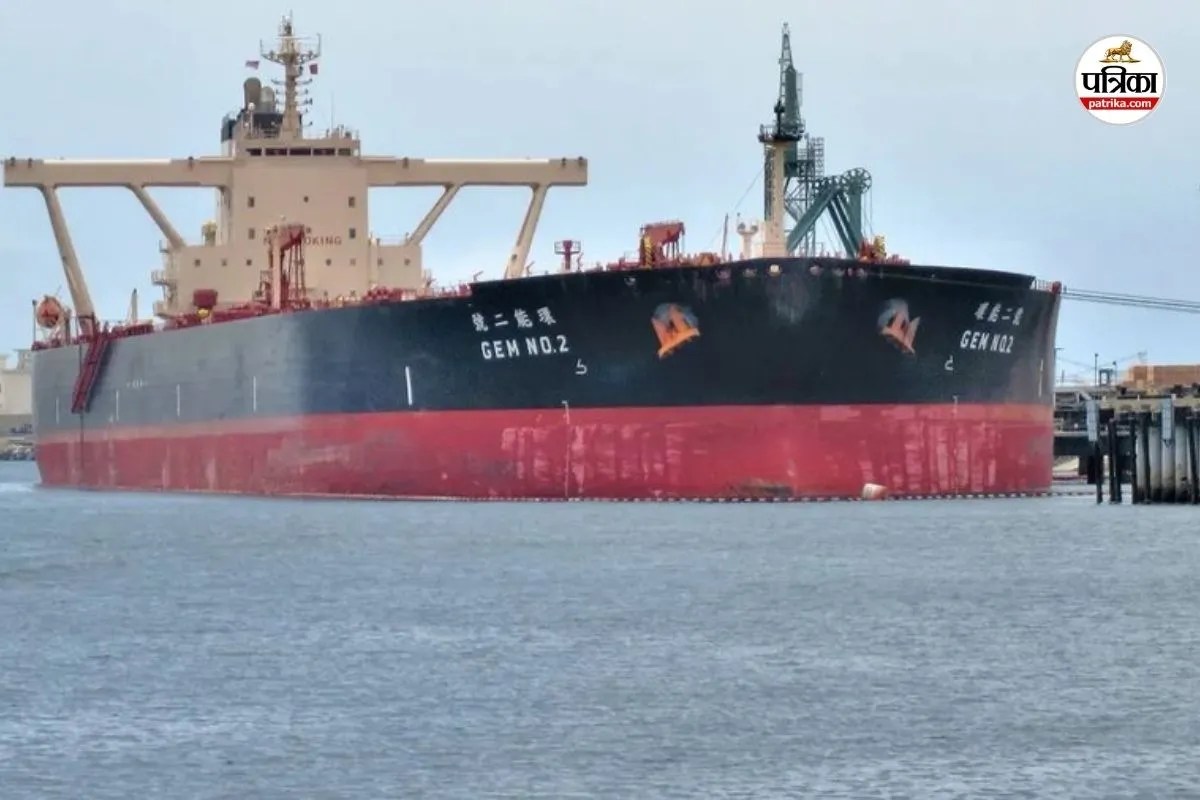
You can't run a multi-million-dollar cargo operation if your crew is dodging drone strikes or hitting unmapped explosives near Qeshm Island. Tankers have repeatedly been forced to alter courses, abandon vessels, or seek expensive military escorts provided by the U.S. Navy. Even when crude exports manage to claw their way back toward pre-conflict percentages through offshore transfers or alternative pipelines, the shipping costs remain punishingly high.
The Geopolitical Chessboard
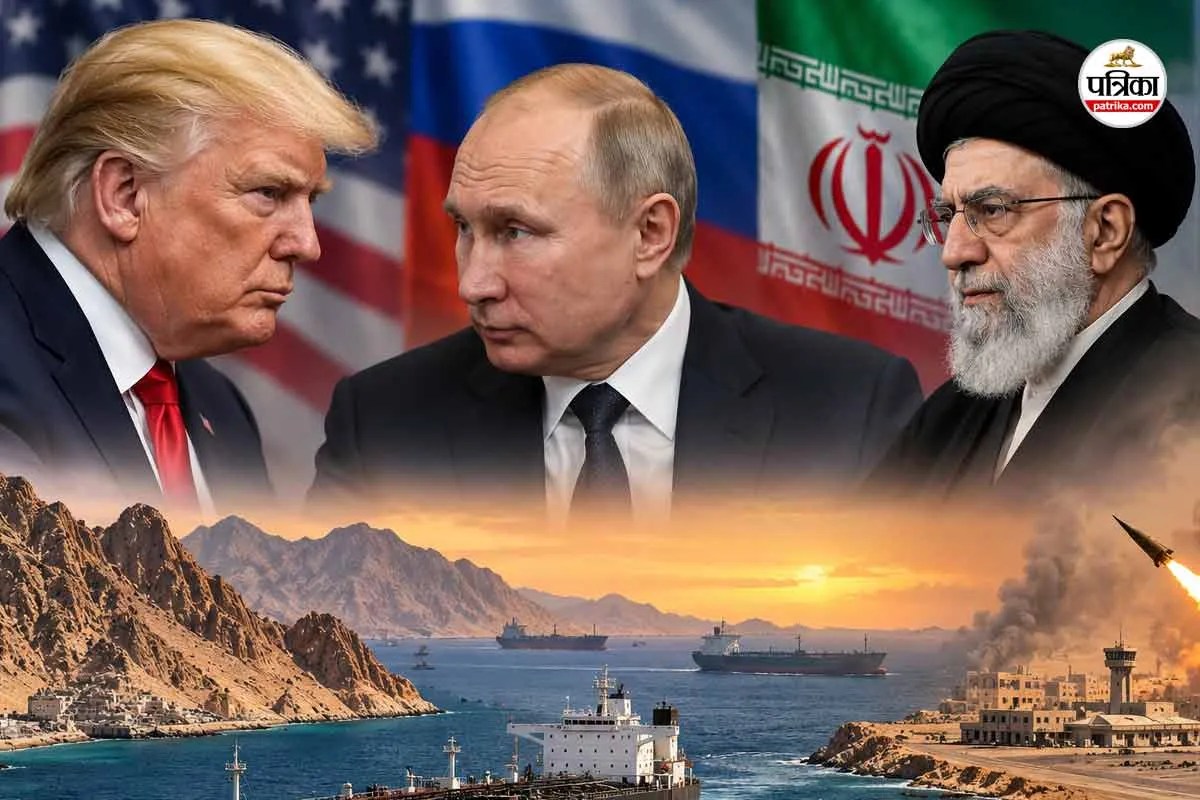
This isn't just about local skirmishes. Major powers are heavily invested in the outcome. High-level diplomatic friction involving Donald Trump's administration and Russian counterparts highlights a fundamental disagreement on how to handle Tehran's nuclear ambitions and regional posture. While Washington maintains a posture of active deterrence—striking radar systems and missile launch sites on Iranian territory in response to drone attacks on allied bases in Bahrain—the underlying security dilemma remains entirely unresolved.
Trump’s stance has consistently dismissed the idea that Iran could permanently choke off international trade without severe military retribution, yet the reality on the water tells a grittier story. Every time a tanker catches fire or a missile hits infrastructure, Brent crude futures react violently, hovering well above $90 a barrel.
The Yemeni Front and Spillover Effects
You cannot separate the Hormuz crisis from what's happening in Yemen. The Iran-backed Houthi movement continues to exert immense pressure on strategic southern corridors like the Bab el-Mandeb strait. Recent ground shifts—such as government-aligned southern forces withdrawing from vital coastal positions to defend Aden—demonstrate just how fragile anti-Houthi containment lines really are.
When Houthi forces launch drones or missiles toward critical pipeline infrastructure and neighboring regional territories, they create a two-front energy crisis. Gulf partners are forced to defend installations on multiple flanks, turning the entire Middle East into an interconnected zone of friction.
What This Means for You
If you think a localized conflict thousands of miles away won't touch your wallet, think again. Supply chain bottlenecks in urea, ammonia, and petroleum products ripple directly into manufacturing, agriculture, and everyday consumer goods. Fertilizer costs spike, shipping delays lengthen, and inflation sticks around longer than central banks care to admit.
Navigating this reality means keeping a close eye on alternative export routes, inventory reports from the American Petroleum Institute, and shifts in naval escort policies. Until a genuine diplomatic breakthrough replaces the current cycle of strikes and counter-strikes, the global energy supply will remain hostage to the tides of the Persian Gulf.