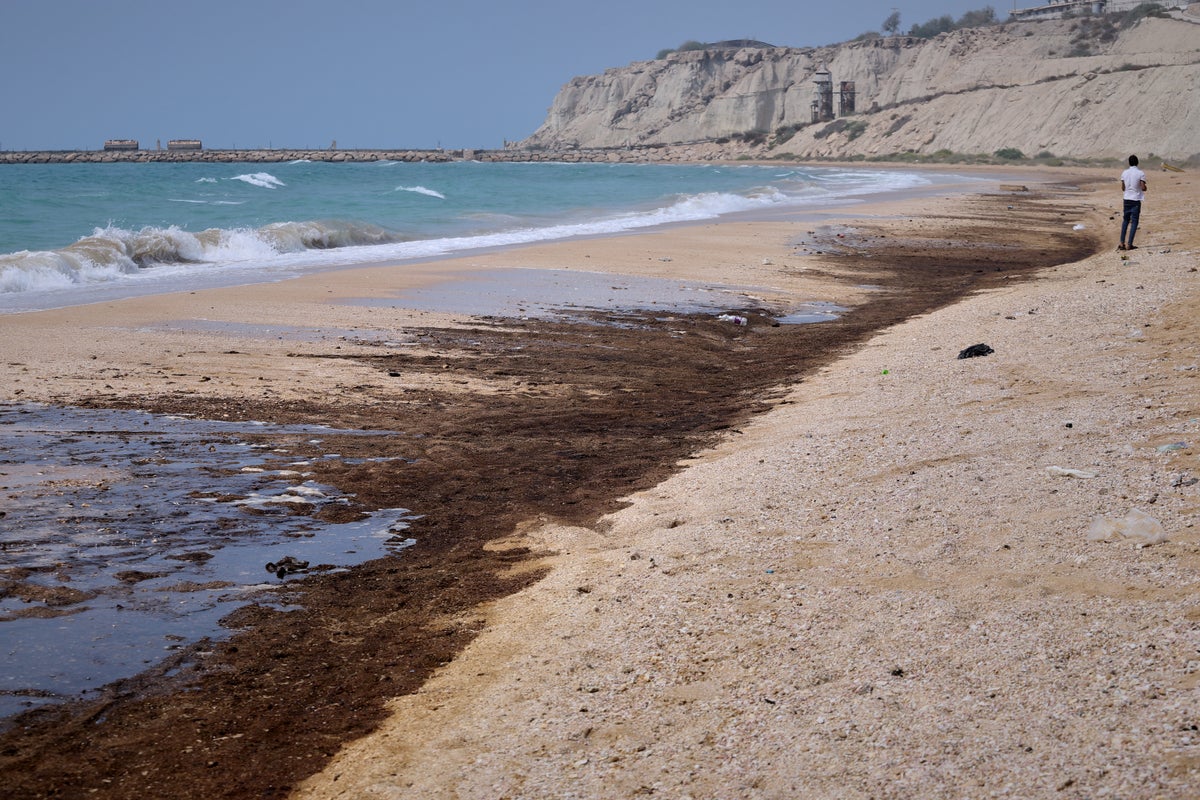
Commercial shipping through the Strait of Hormuz just turned into a high-stakes gamble. If you think events halfway across the world won't impact your daily fuel and energy costs, look closer at the map. A vessel outbound from the strategic waterway took a direct hit off the coast of Oman, blowing open a new wave of danger for global supply chains.
The British military's UK Maritime Trade Operations center confirmed that an unidentified projectile smashed into a ship's engine room. That strike triggered a crew casualty and left authorities scrambling to assess the damage. No one has claimed immediate responsibility. Even so, the attack underscores a brutal reality. Iran continues to throttle traffic through a choke point that handles roughly one-fifth of the globe's traded oil supply. If you found value in this piece, you should check out: this related article.
The Stalled Diplomacy and Omani Talks
Washington and Tehran remain locked in a bitter standoff. A provisional sixty-day negotiating window recently expired without an extension or a breakthrough. Both governments stand as far apart today as they did when talks began.
Iran's parliamentary speaker Mohammad Bagher Qalibaf made Tehran's terms crystal clear. The strait stays shut to normal traffic until the United States lifts its maritime blockade, releases frozen assets, and drops oil sanctions. Meanwhile, Washington maintains total control ambitions over the passage, leaving commercial captains caught in the crossfire. For another angle on this story, see the recent update from The Guardian.
While U.S.-Iran diplomacy sits on ice, Tehran pursued separate talks with Oman to map out an independent vessel management plan. That back-channel maneuver drew immediate fury. Reports indicate Washington threatened severe repercussions if Oman moves forward without American alignment.
Global Ripple Effects and Regional Shifts
Energy markets react instantly to every explosion near the Persian Gulf. Brent crude futures surged as traders priced in the ongoing threat to tankers and cargo ships. When transit volume drops ninety percent below pre-conflict averages, pump prices everywhere feel the squeeze.
Diplomatic pressure isn't limited to Washington and Tehran. Turkish President Recep Tayyip Erdogan recently urged continued diplomatic engagement during a call with U.S. leadership, warning that maximum dialogue remains essential. At the same time, regional defense realignments are shifting rapidly. A recent security pact binding Turkey, Saudi Arabia, and Pakistan treats an armed attack on one member as an assault on all three.
What Comes Next for Global Shipping
Commercial operators can't afford to treat these incidents as isolated anomalies. If you manage supply chains or logistics touching international oil markets, expect prolonged unpredictability. Insurance premiums for Persian Gulf transits will stay sky-high, and alternate land-based pipelines will face intense capacity strains.
Monitor real-time maritime advisory boards for routing changes. Keep close tabs on your downstream energy contracts because this choke point won't open easily.
This video provides an overview of how shipping restrictions and military strikes in the Strait of Hormuz complicate diplomatic efforts between the United States and Iran.
http://googleusercontent.com/youtube_content/1


