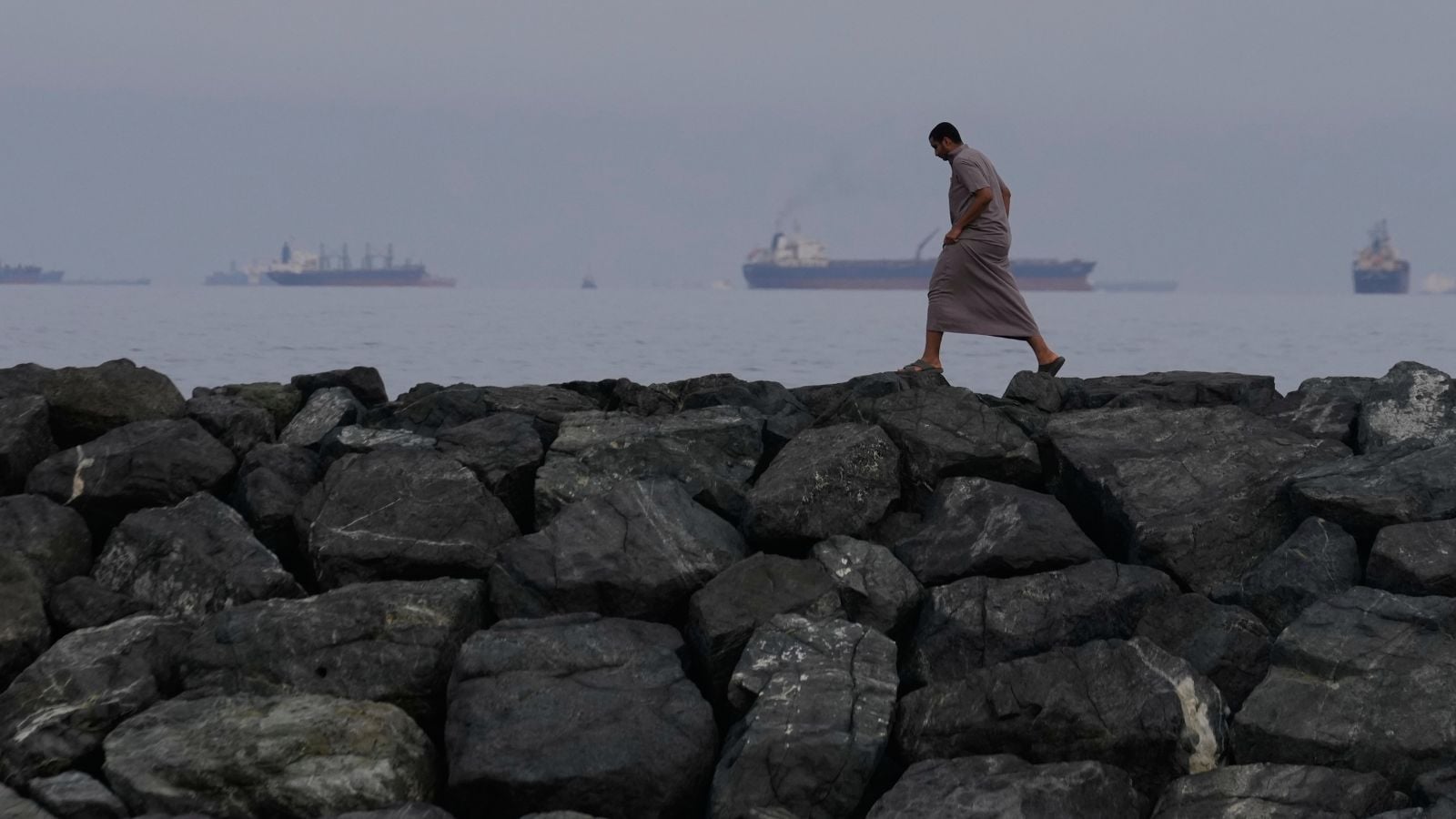
Don't let the headlines fool you. While Iran's Foreign Minister Abbas Araghchi just announced the Strait of Hormuz is "completely open" for commercial vessels, the reality on the water is a lot messier. This isn't a return to normal; it’s a high-stakes chess move in a game that’s far from over.
If you're a ship captain or a global trader, you aren't breathing easy just yet. There’s a massive catch to this reopening that the mainstream news is glossing over.
The Fine Print of the 10 Day Truce
On Friday, April 17, 2026, Araghchi confirmed that passage is restored—but only for the duration of the 10-day ceasefire between Israel and Hezbollah in Lebanon. That's a tiny window. Iran isn't giving up its leverage for free. They're tying maritime freedom directly to the survival of this fragile truce.
Even more concerning? You can’t just sail anywhere. Iran is forcing all commercial traffic onto a specific "coordinated route" near Larak Island. They claim the traditional lanes are littered with sea mines from the recent conflict. Whether those mines are real or just a convenient way to keep every ship under the watchful eye of the Iranian Revolutionary Guard is anyone’s guess.
Trump Says Thank You Then Double Down
President Trump's reaction was classic. He started with an all-caps "THANK YOU!" on Truth Social, celebrating the opening as a victory for his "all or none" pressure campaign. But the mood shifted fast. Within minutes, he clarified that the U.S. Navy’s blockade on Iranian ports and ships stays in place.
It's a bizarre standoff. The Strait is "open" for everyone else, but the U.S. is still strangling Iran's own exports. Trump is holding out for what he calls a "100% complete transaction"—which basically means he isn't pulling back his warships until Tehran hands over its enriched uranium stockpile.
The U.S. Navy isn't just watching; they're actively enforcing a blockade line from Ras al Hadd, Oman, to the Iran-Pakistan border. If you're a tanker carrying Iranian oil, you're still a target, regardless of what Araghchi says about the Strait being open.
The Human Cost of Seven Weeks at Sea
While the politicians argue over "transactions" and "coordinated routes," there’s a humanitarian crisis sitting in the Arabian Gulf. Roughly 949 merchant vessels have been trapped west of the Strait for nearly two months. That’s around 20,000 seafarers running low on food, fuel, and fresh water.
These crews have been stuck in a literal cage while the U.S. and Iran used the waterway as a bargaining chip. Even with the reopening, clearing that backlog is going to be a logistical nightmare. Insurance companies are already hiking premiums for any ship brave enough to test the "coordinated route."
Why Oil Prices Are Plummeting Anyway
The market doesn't care about the fine print as much as the volume. The moment news hit that the 20% of the world's oil supply might start moving again, prices tanked.
- WTI Crude dropped over 14% to $81.31.
- Brent Crude fell roughly 13% to $86.41.
Wall Street is betting that once the gates open, they won't be able to shut them again without a global revolt. But that's a risky bet. The U.S.-Iran ceasefire is set to expire on Tuesday, April 22. If those talks in Islamabad or Pakistan fall through, we could be right back to a closed Strait by next weekend.
The Reality for Global Shipping
European leaders like Macron and Starmer are already calling the 10-day window "unworkable." They’re pushing for a permanent, international mission to secure the Strait—one that doesn't rely on Iran's "coordinated routes" or Trump's "blockades."
Next week, military planners are meeting in London to discuss a "strictly defensive" mission to clear mines and protect tankers. It shows a total lack of trust in both the Iranian and American narratives. Nobody believes the water is actually safe yet.
What Happens Next
If you're tracking this for your business or your portfolio, watch the AIS tracking data over the next 48 hours. If the big tankers actually start moving through the Larak Island route, the Lebanon ceasefire might actually hold. If they stay anchored, we’re looking at a hollow announcement designed to buy Tehran time.
Keep your eye on the April 22 deadline. That's the real "make or break" moment for global energy markets. Until then, the Strait of Hormuz is "open" in name only.