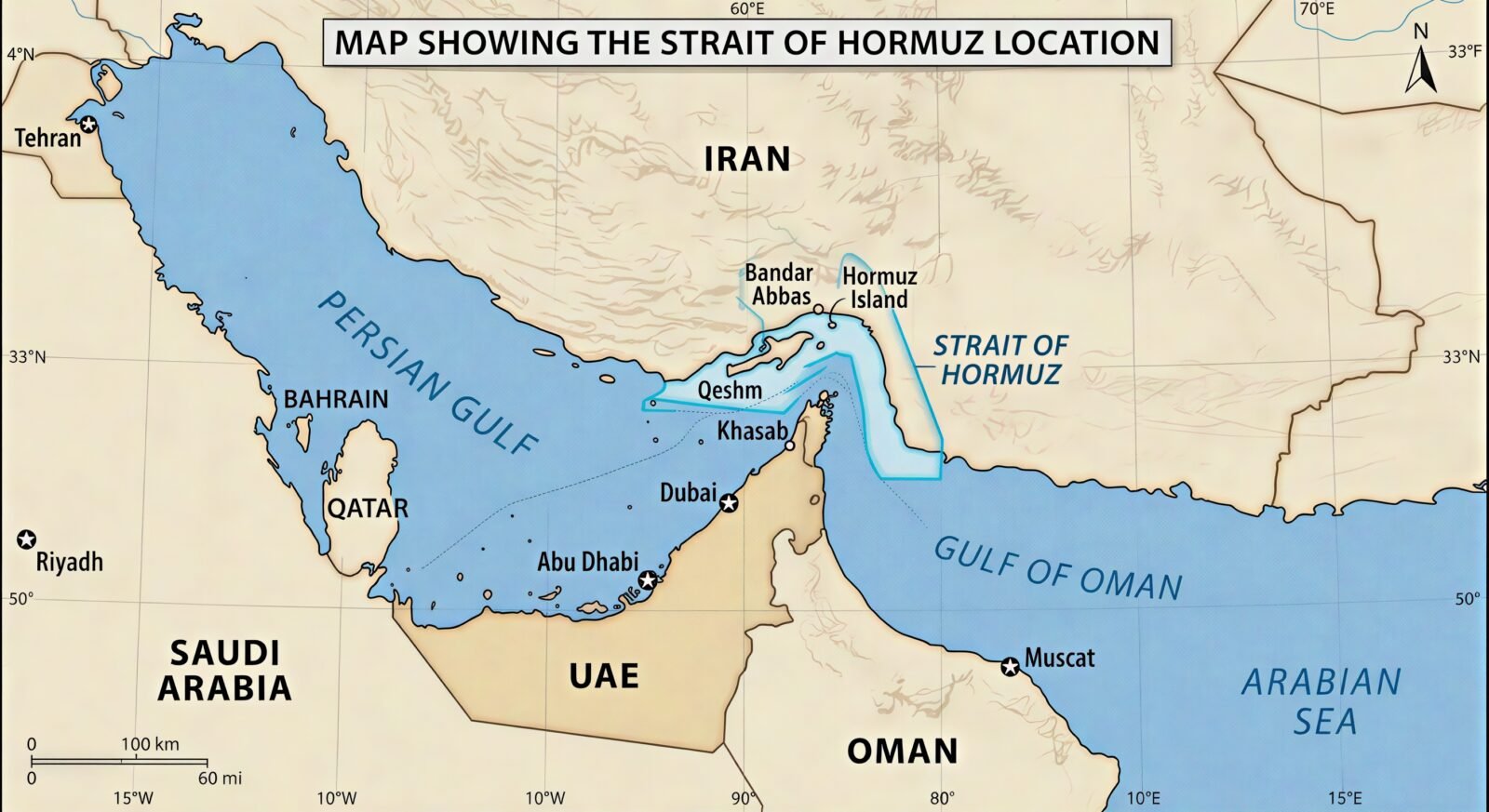
The narrow waters of the Strait of Hormuz are staying firmly shut. Iran's chief negotiator and parliament speaker, Mohammad Bagher Ghalibaf, made it crystal clear that Tehran won't budge on reopening the vital energy corridor until Washington fully complies with an unravelling interim agreement.
If you trade oil, watch global supply chains, or just track international security, this isn't background noise. This is the main event.
The Breaking Point Behind the Blockade
For months, the West Asia conflict has choked a passage where nearly a fifth of the world's petroleum and liquefied natural gas flows. Ghalibaf's latest stance pours cold water on any immediate hopes for a diplomatic breakthrough. Tehran's demands are uncompromising. The United States must lift its marine blockades, dismantle sweeping oil sanctions, release billions in frozen Iranian assets, and permanently halt military threats on all fronts.
Back in June, an interim memorandum of understanding looked like a lifeline. It promised a temporary halt to hostilities and a pathway toward a permanent settlement. But it collapsed almost as quickly as it was signed. Washington accused Iran of refusing to reopen the passage, while Tehran countered that the White House reneged on core economic promises.
Now, diplomacy has hit a brick wall.
What Tehran's Hardline Strategy Actually Achieves
Ghalibaf's announcement tells us a lot about how Iran views its current leverage. By maintaining an effective blockade and controlling transit traffic, Tehran retains a chokehold on international markets. Recent incidents, including commercial vessels sustaining damage from projectiles near the Omani coast, underscore the very real physical dangers facing civilian shipping crews in the region.
The U.S. administration previously pinned hopes on separate talks—such as diplomatic channels with Oman—to bypass the deadlock and restore oil flows. But Iran's Islamic Revolutionary Guard Corps quickly shut down that narrative, insisting that any reopening depends entirely on Tehran's own set of mechanisms, independent of third-party mediation.
Economic Fallout and Shipping Realities
Shippers are paying the price. Navigating the Persian Gulf requires dealing with an active conflict zone where maritime insurance rates have spiked to punitive levels and routing adjustments add weeks to voyages. The UK Maritime Trade Operations continues to field emergency reports of vessels struck by unknown hazards, proving that safety guarantees simply do not exist right now.
Energy markets hate uncertainty, yet they are drowning in it. Until Washington and Tehran bridge an unbridgeable chasm over sanctions relief and asset unfreezing, the water route stays locked. Monitor upcoming shipping data and insurance risk adjustments closely, because normal transit isn't returning anytime soon.


