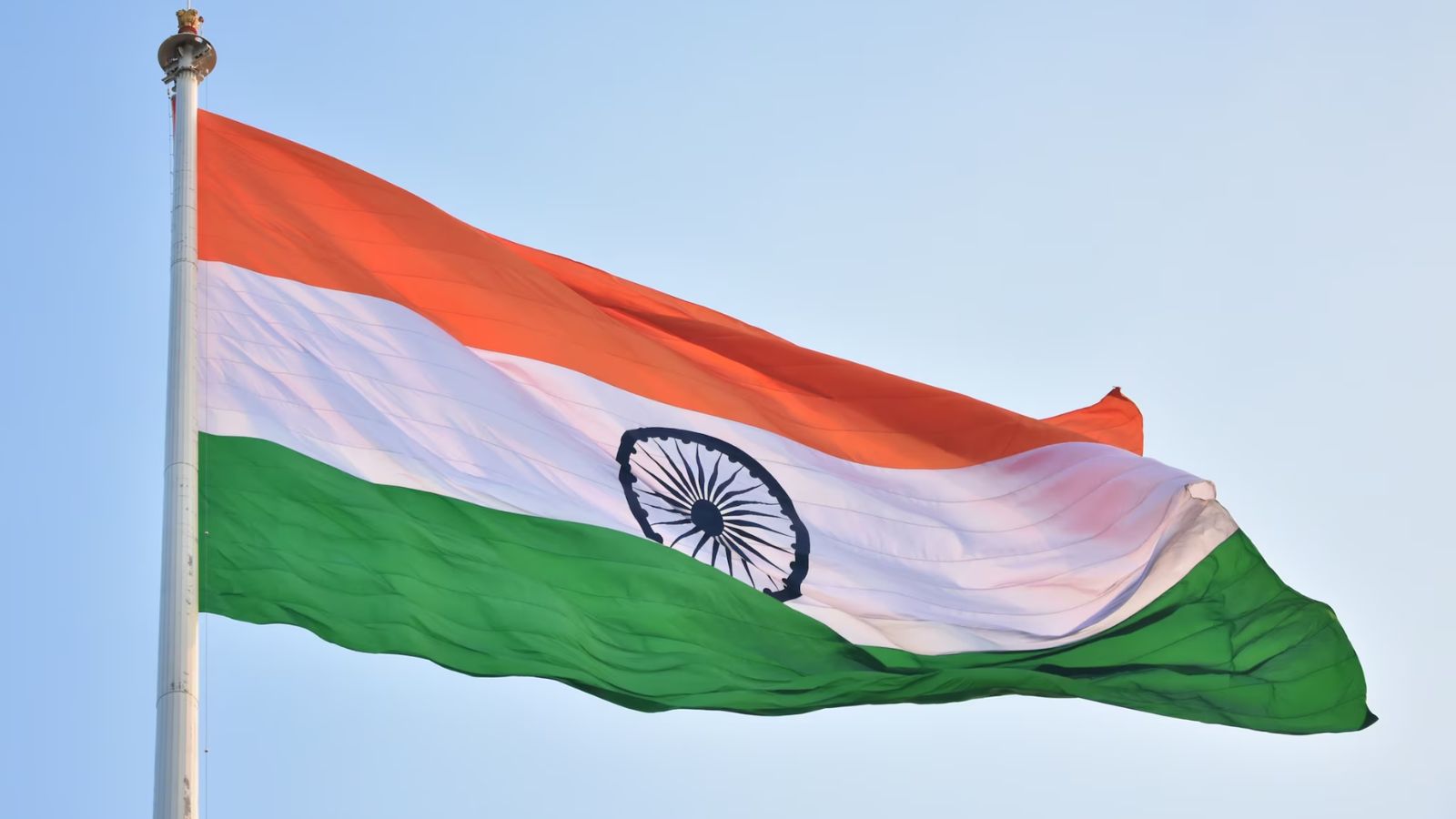
New Delhi’s decision to declare an official day of national mourning for the passing of Qatar’s former leadership reflects far more than standard international courtesy. It is a calculated manifestation of hardheaded geopolitics. When the Indian government orders flags to fly at half-mast across the country, it signals a profound alignment of economic, strategic, and human interests concentrated in the Persian Gulf. This symbolic gesture underscores a vital reality. India cannot afford friction with Doha.
Beneath the formal proclamations of shared sorrow lies a complex web of mutual dependence that dictates foreign policy in South Asia. For decades, India has treated the Gulf Cooperation Council states not merely as trading partners, but as fundamental pillars of its domestic economic stability. The immediate declaration of state mourning serves as a diplomatic shock absorber, designed to reinforce ties at a time of generational transition in the Middle East.
The Mechanics of Symbolic Diplomacy
Diplomacy operates on two parallel tracks. The first involves the public signing of treaties, bilateral trade agreements, and defense pacts. The second, often more potent track, relies entirely on symbolism, prestige, and the meticulous management of state protocol. The declaration of national mourning falls squarely into this second category. It costs little in terms of treasury resources, yet it yields immense goodwill in a region where personal relationships between ruling elites govern multi-billion-dollar state enterprises.
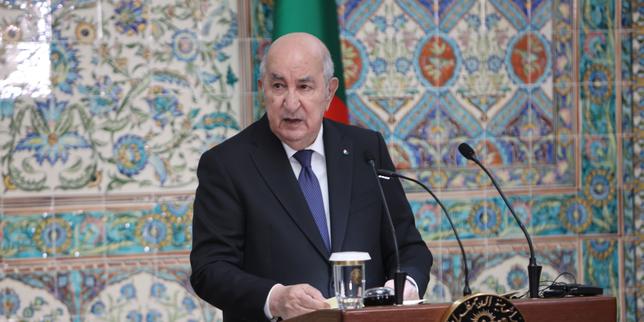
By lowering the tricolor, New Delhi sends a direct message to the Emiri Diwan in Doha. The message is simple. India recognizes Qatar as a premier partner on the global stage. This formal acknowledgment is particularly significant given the historical friction that occasionally surfaces between the two nations, ranging from shifting geopolitical alliances to the treatment of migrant labor.
The bureaucratic machinery required to execute a national day of mourning is swift. The Ministry of Home Affairs issues directives to all state capitals, halting official entertainment and lowering flags on all government buildings. While critics domestic and foreign sometimes question why a secular republic pauses to honor an absolute monarch, the answer remains rooted in pragmatism. Foreign policy is driven by national interest, not ideological purity.
Energy Security and the Liquefied Natural Gas Lifeline
India imports the vast majority of its crude oil and natural gas. Qatar sits atop the North Field, the largest non-associated natural gas field in the world. This geographical reality binds the two nations together in a permanent economic embrace. Petronet LNG, India’s largest gas importer, relies heavily on long-term contracts with QatarEnergy to supply the factories, power plants, and households driving the subcontinent’s industrial expansion.
The numbers reveal the sheer scale of this reliance. India imports millions of tons of liquefied natural gas annually from the Qatari peninsula. These are not short-term spot market purchases that can be easily replaced if diplomatic relations sour. They are decades-long commitments backed by massive infrastructure investments, including specialized cryogenic shipping fleets and regasification terminals along the Indian coastline.
A disruption in this supply chain would trigger immediate economic shockwaves across India. Inflation would spike. Power grids would face instability. Industrial output would contract. By honorific gestures like national mourning, New Delhi insulates its energy pipeline from political volatility. The state funeral or memorial service becomes a venue for quiet, high-level economic diplomacy where energy ministers confirm that shipments will continue uninterrupted despite leadership changes.
The Human Capital Equation and Remittance Corridors
Human labor forms the second pillar of the bilateral dynamic. Hundreds of thousands of Indian nationals reside within the borders of Qatar, making up a significant portion of the country's total population. This diaspora spans the entire economic spectrum, from blue-collar construction workers building modern infrastructure to high-earning white-collar professionals managing financial institutions, healthcare networks, and engineering firms.
The economic impact on the Indian mainland is direct and measurable. The flow of remittances from Doha to cities and villages across Kerala, Tamil Nadu, Andhra Pradesh, and Uttar Pradesh provides a crucial influx of foreign exchange. These funds sustain millions of families, paying for education, healthcare, and local commerce.
Typical Annual Remittance Flows to India (Regional Share Estimate)
+-------------------+-------------------+
| Region            | Estimated Share   |
+-------------------+-------------------+
| Southern States   | 45%               |
| Northern States   | 30%               |
| Western/Eastern   | 25%               |
+-------------------+-------------------+
This human bridge creates a unique vulnerability for Indian policymakers. Any systemic shift in Qatari immigration policy, labor laws, or political sentiment toward foreign workers can result in mass deportations or reduced employment opportunities. When New Delhi honors a deceased Qatari leader, it is also safeguarding the welfare and legal standing of its citizens abroad. The gesture reassures the host nation that India views its workers not just as economic exports, but as cultural ambassadors operating under the umbrella of mutual respect.
The Geopolitical Tightrope Between Doha and New Delhi
The relationship has not always been seamless. Recent years have tested the diplomatic capabilities of both capitals, most notably during the high-stakes legal crisis involving former Indian Navy personnel detained in Doha on sensitive charges. For months, the issue threatened to derail decades of cooperation, inflaming public sentiment in India and forcing diplomats into tense, closed-door negotiations.
The eventual resolution of that crisis, which saw the men returned safely to India, demonstrated the maturity of the bilateral channel. It proved that both sides valued the broader strategic architecture over individual points of friction. The decision to declare state mourning for the former Emir reflects this broader perspective. It shows that New Delhi chooses to remember the long-term architects of the relationship rather than fixate on transient geopolitical disputes.
Furthermore, India must balance its ties with Qatar against its deep relationships with other regional powers, notably Saudi Arabia and the United Arab Emirates. The Gulf is not a homogenous political bloc. It is a hyper-competitive arena where intra-regional rivalries frequently dictate foreign policy. India has managed the remarkable feat of maintaining close strategic partnerships with Riyadh, Abu Dhabi, and Doha simultaneously.
Achieving this balance requires an even-handed approach to state rituals. If India honors a leader in Riyadh, it must match that gesture when a leader passes in Doha. Failure to do so would be interpreted as a deliberate diplomatic snub, a misstep that New Delhi’s professional diplomatic corps works tirelessly to avoid.
Beyond the Ritual of State Mourning
As India positions itself as a global economic powerhouse, its approach to the Middle East will continue to evolve from a buyer-seller relationship into a comprehensive strategic partnership. Joint military exercises, intelligence sharing on counter-terrorism, and reciprocal investments in technology and renewable energy are becoming the new baseline.
The ritual of state mourning belongs to an older tradition of international relations, one based on personal honor and sovereign respect. Yet its survival in the modern era proves its enduring utility. As the flags return to the top of the masts tomorrow, the daily realities of shipping gas, processing remittances, and managing regional security will resume. But the message has been delivered, received, and logged in the diplomatic ledger of West Asia. India remembers its partners, ensuring that when the next geopolitical storm arrives, the foundation remains secure.