The press release reads like a victory lap. Headlines trumpet the new energy agreements between India and the UAE as a milestone for "energy security" and "strategic cooperation." On Friday, officials will sign off on deals involving Liquefied Petroleum Gas (LPG) and the expansion of strategic petroleum reserves (SPR). The mainstream financial press is treating this as a masterstroke of geopolitical maneuvering.
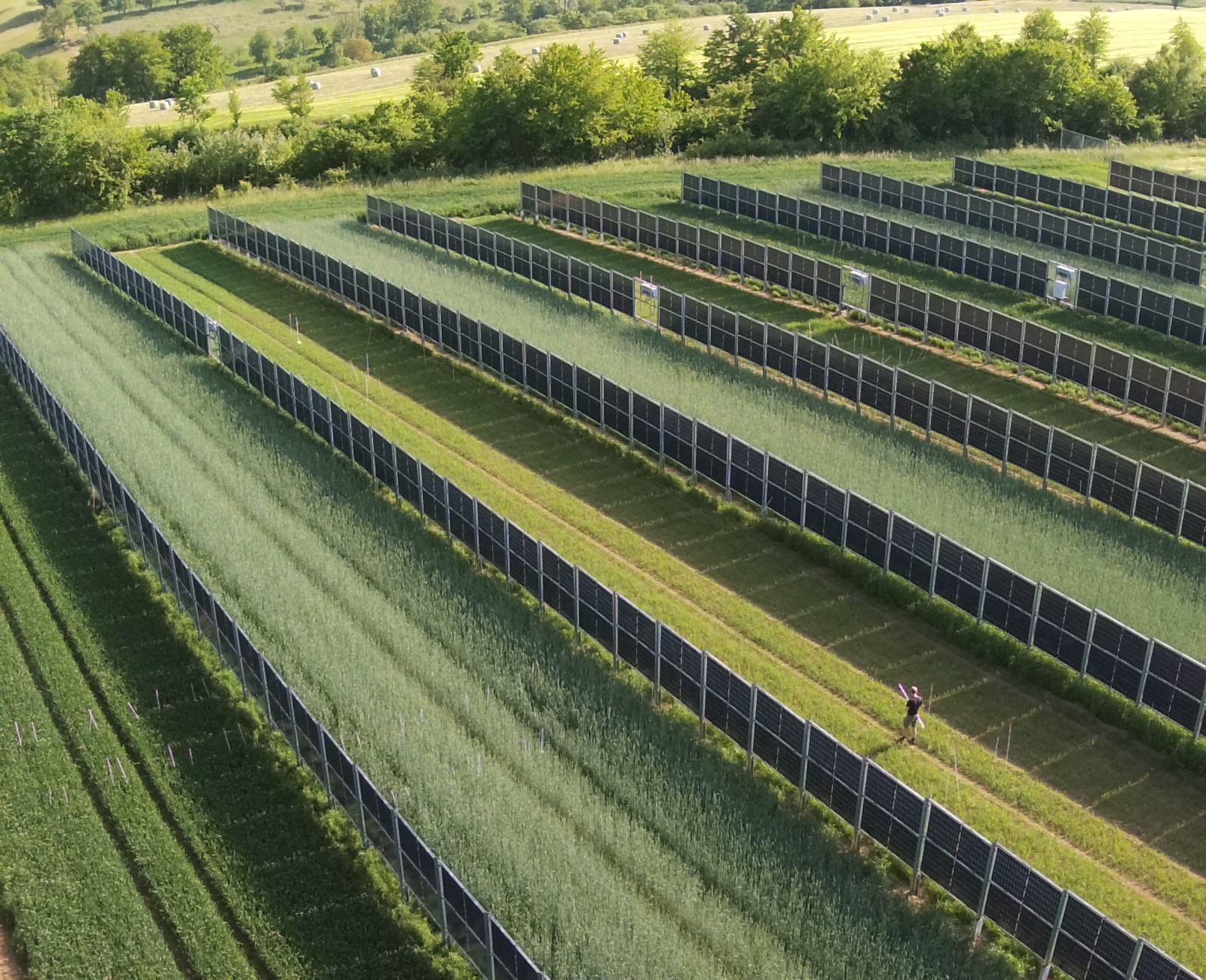
They are wrong. Recently making headlines in related news: Agrivoltaics is a Land Grab Dressed in Green Linen.
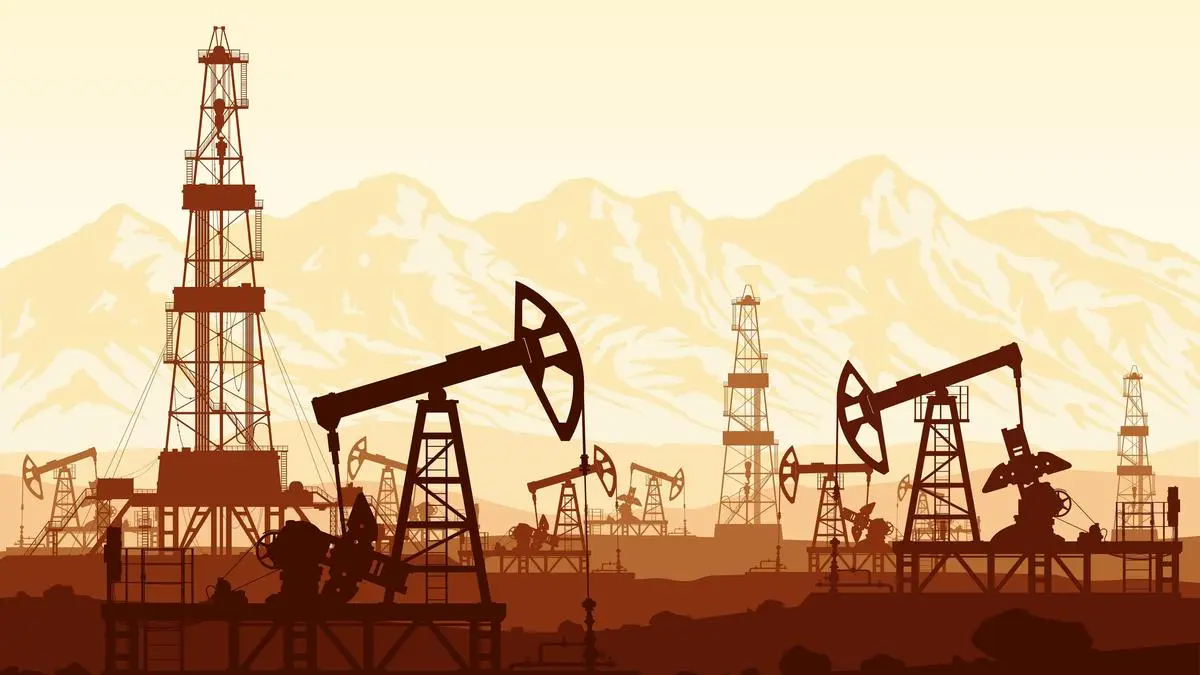
This isn't a forward-thinking strategy; it is a defensive crouch in a world that is moving past the era of physical commodity hoarding. By doubling down on massive, underground tanks of crude oil and long-term LPG contracts, India is tethering its economic future to a volatile, declining asset class while calling it "stability." True energy security in 2026 isn't about how much oil you can bury in a hole in Karnataka; it’s about how quickly you can stop needing that oil in the first place.
The Strategic Reserve Fallacy
The obsession with Strategic Petroleum Reserves is a hangover from the 1973 oil crisis. The logic is simple: keep 90 days of oil on hand to survive a supply shock. But the math doesn't hold up in a modern, hyper-connected economy. Additional insights on this are covered by Investopedia.
India’s current SPR capacity covers roughly 9.5 days of its crude requirements. Even with the proposed expansions involving the Abu Dhabi National Oil Company (ADNOC), we are looking at a drop in the bucket. To reach a 90-day cushion, the capital expenditure required would be astronomical—money that is effectively dead capital.
When you lock billions of dollars into physical oil reserves, you aren't just buying insurance; you are making a massive, leveraged bet on high oil prices. If the global energy transition accelerates and oil prices stay suppressed due to a permanent demand peak, those "strategic" reserves become the world's most expensive paperweights. I have seen private equity firms and sovereign funds burn through billions trying to time the "inevitable" return of $120 oil. It’s a sucker’s game.
The LPG Trap
The focus on LPG long-term contracts is equally short-sighted. The narrative suggests that securing LPG from the UAE protects Indian households from price spikes. In reality, these contracts often lack the flexibility needed to pivot when cheaper alternatives emerge.
We are seeing a massive shift toward the electrification of everything. From industrial heating to urban cooking, the efficiency of heat pumps and induction technology is beginning to crush the economics of burning gas. By locking into long-term UAE supply chains, India is disincentivizing the rapid rollout of domestic, renewable-powered thermal solutions.
Why build a smarter, localized grid when you’ve already committed to buying millions of tons of LPG for the next decade? It’s a classic sunk-cost trap disguised as national policy.
The ADNOC Paradox
The partnership with ADNOC is often framed as a win-win. The UAE gets a guaranteed buyer; India gets a "reliable" supplier. But look closer at the power dynamic.
By allowing ADNOC to store oil in Indian reserves—which they can then sell to the Indian market or export elsewhere—India is essentially subsidizing the UAE’s storage costs. We are providing the real estate and the geopolitical cover for a foreign state-owned entity to manage its inventory.
This isn't a "pact of equals." It is the behavior of an economy that still views itself as a desperate importer rather than a dominant market force that should be dictating terms. If India wanted real leverage, it wouldn't be building more tanks for Middle Eastern oil; it would be building the world's most aggressive battery manufacturing and green hydrogen infrastructure to make that oil irrelevant.
Redefining Security
If you ask a traditional energy analyst about "People Also Ask" queries regarding India’s energy future, they’ll tell you about diversifying supply routes or hedging against the Strait of Hormuz. They are answering the wrong question.
The right question is: How do we decouple GDP growth from carbon imports?
Every barrel of oil India stores is a reminder of a failure to innovate. Modern energy security is digital and decentralized. It is found in:
- Software-defined grids that can balance intermittent loads without needing gas peaker plants.
- Solid-state battery storage that offers better density and safety than the current lithium-ion standard.
- Decentralized hydrogen production at the site of industrial use, bypassing the need for massive shipping infrastructure.
The UAE knows this. That is why they are reinvesting their oil profits into massive solar arrays and global tech plays. They are selling us the past while they buy the future. We are the ones left holding the physical barrels.
The Hidden Cost of "Stability"
There is a psychological comfort in seeing massive tankers and giant storage domes. It looks like "strength." But this physical infrastructure is brittle. It’s a target for cyberattacks and physical sabotage. It requires constant, expensive maintenance.
In contrast, a distributed energy system—millions of solar rooftops, thousands of community-scale batteries, and a flexible EV-to-grid network—is nearly impossible to take down. It is resilient by design. The India-UAE pact ignores this shift entirely, preferring the comfort of 20th-century industrialism.
Stop Hoarding Oil, Start Hoarding Innovation
The real "strategic reserve" India needs isn't oil. It’s the intellectual property and manufacturing capacity for the next generation of energy tech.
Imagine a scenario where the $1.5 billion earmarked for SPR expansion was instead diverted into a sovereign fund dedicated strictly to domestic perovskite solar cell production or long-duration iron-air batteries. The long-term ROI on that shift would dwarf any "security" gained from a few extra days of crude oil.
We are witnessing a massive transfer of wealth that reinforces an old hierarchy. The UAE is brilliant for offloading their inventory and securing long-term market share while they transition their own economy. India, meanwhile, is patting itself on the back for becoming a better customer.
Real industry insiders know that the era of the "energy pact" is dying. The future belongs to the nations that don't need pacts because they own the source of their own power.
Stop celebrating the expansion of the gas tank. Start questioning why we are still building the tank at all.
Every rupee spent on a strategic oil reserve is a rupee that isn't being spent on the technology that will eventually make that reserve worthless. That isn't strategy. It's nostalgia.
The Friday signing isn't a step forward. It's a gold-plated anchor.