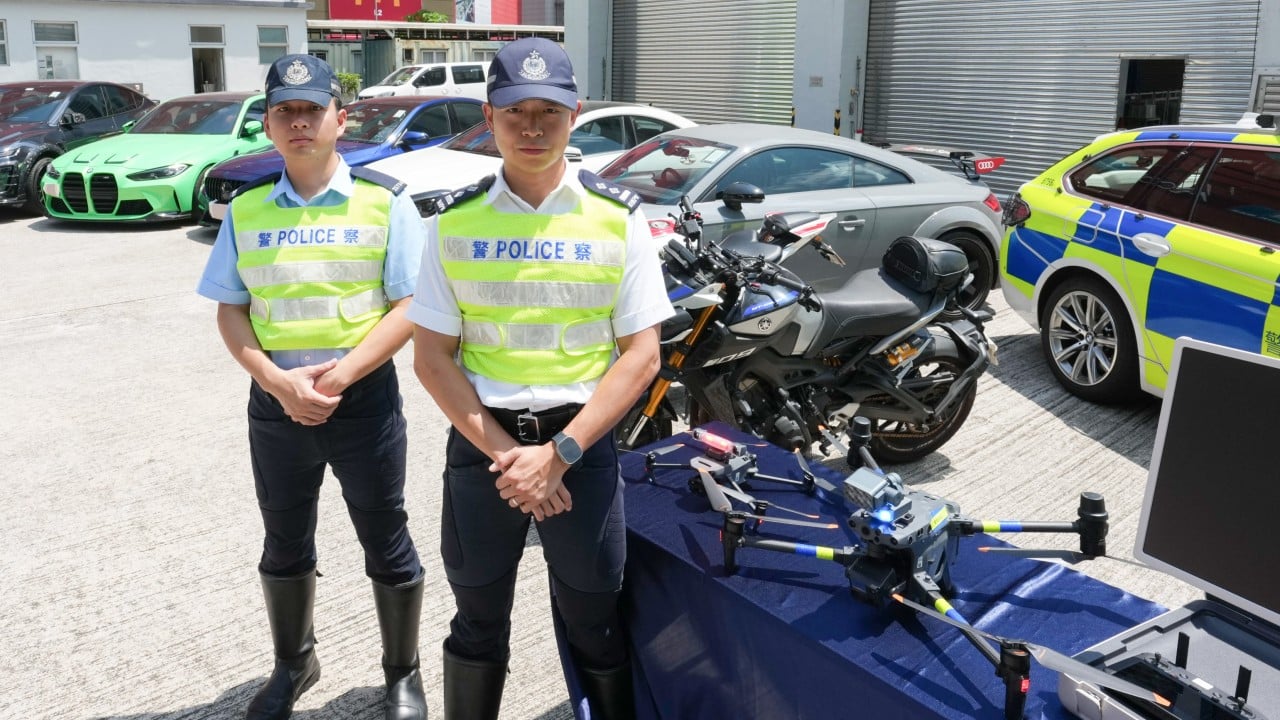
Street racing is getting smarter. Law enforcement is fighting back with surveillance tech you didn't know existed.
Ten drivers recently found out the hard way that midnight drifting loops and empty highway drag strips are no longer a safe bet. Police agencies are ditching standard cruiser chases. They are swapping out marked squad cars for unmarked stealth vehicles and deploying high-altitude drones.
If you think a fast car and dark tinted windows protect you from a ticket, you're living in the past. The math has changed. You can't outrun a thermal camera tracking your exhaust heat from five hundred feet in the air.
Most people look at these high-profile busts and assume the problem is solved. It isn't. Let's look at why illegal street racing keeps happening, how the enforcement playbook is shifting, and what this means for anyone who loves car culture.
The Reality Behind Modern Street Racing Busts
Midnight car meets used to be simple affairs. A few friends texting on burner phones, an empty industrial park, and a couple of runs down a straightaway. Today, social media algorithms turned underground meets into massive, disorganized flash mobs.
Thousands of spectators show up. Traffic blocks whole intersections for sideshows. Police response times used to lag behind because dispatchers didn't know where the crowd was moving next.
That delay is gone. Thermal-equipped drones change the game entirely. Operators track the convoy from the air without needing a cruiser to tail them at dangerous speeds. Stealth cars blend into highway traffic, recording license plates and vehicle modifications before the drivers even realize an officer is near.
When ten drivers got arrested in that recent sting, it wasn't because an officer happened to sit at a red light. It was the result of coordinated aerial surveillance and digital footprint tracking. Cops are treating street racing like organized crime now.
Why Traditional Tickets Stop Working
Slapping drivers with a hefty fine doesn't stop street racing. Most offenders treat speeding tickets as a tax on having fun. Impound lots fill up for thirty days, and then the cycle repeats.
Law enforcement realized traditional deterrence was broken. When you fine a driver three hundred dollars for reckless endangerment, they just laugh it off and plan the next meetup on a private messaging app.
That is why prosecutors are pushing for much harsher penalties. We are seeing vehicle forfeiture laws applied aggressively. If you use your car to shut down a public highway for donuts, you might lose that car forever.
States are also targeting the spectators. Standing on a street corner cheering on a reckless driver used to carry zero risk. Now, new municipal codes make attending an illegal street race a punishable offense with steep fines and possible jail time. Cut off the audience, and the performers lose their stage.
The Technology Changing Highway Patrols Forever
Law enforcement budgets for traffic enforcement keep growing, and cities are spending that money on hardware.
Drones are cheap to fly and impossible to spot in a dark sky. They don't get stuck in traffic. They don't risk causing a multi-car pileup by trying to pit-maneuver a modified sedan at one hundred miles per hour.
Stealth vehicles are equally effective. These aren't just unmarked Crown Victorias anymore. Police departments use confiscated muscle cars, modern electric vehicles, and standard family crossovers equipped with heavy-duty police packages and hidden light bars.
You cannot spot them by looking for the silhouette. They look like every other tired commuter on the interstate.
When police rely on these tactics, arrests spike. But arrests alone don't fix the underlying urge for car enthusiasts to find a place to push their vehicles to the limit.
Where Car Culture and the Law Collide
There is a massive gap in our infrastructure. We have millions of gearheads, modified cars, and high-horsepower engines, but legal tracks are shutting down across the country due to noise complaints and rising land values.
When you eliminate legal outlets for speed, people take it to the streets. It is that simple.
You can deploy all the drones you want. You can buy every stealth car on the market. As long as young drivers have fast cars and nowhere safe to drive them, illegal street racing will exist.
Smart cities are starting to realize this. Instead of only playing defense with tactical units, a few forward-thinking jurisdictions are partnering with local car clubs to open up airstrips and track days on weekends.
Enforcement has to be paired with alternatives. Otherwise, you are just bailing water out of a sinking boat with a spoon.
If you modify your car or enjoy the late-night automotive scene, understand that the risk profile has changed completely. The days of seeing a cruiser in your rearview mirror and simply dropping a gear to escape are over. Keep your racing on an approved track, or expect a drone to watch you get loaded onto a flatbed tow truck.


