When Luiz Inácio Lula da Silva trailed after the first round of Brazil's presidential vote, standard political wisdom dictated that he was trapped. His conservative rival held a tight grip over social media feeds, algorithmic reach, and digital messaging channels. Yet within three critical weeks, Lula pulled off an extraordinary political comeback, securing 51.8% of the vote.
The key to that turnaround wasn't just traditional political speeches. It was a aggressive dual strategy that married massive street mobilization with a decentralized digital counter-offensive.
┌─────────────────────────────────────────────────────────┐
│               LULA'S TWO-PRONGED STRATEGY               │
├────────────────────────────┬────────────────────────────┤
│      STREET MOBILIZATION   │    DIGITAL COUNTER-SWARM   │
├────────────────────────────┼────────────────────────────┤
│ • Massive city rallies     │ • Student Telegram networks│
│ • Worker union turnout     │ • Viral WhatsApp channels  │
│ • Visible public presence  │ • TikTok creator swarms    │
└────────────────────────────┴────────────────────────────┘
Ground Waves and Physical Turnout
Digital campaigning usually dominates headlines, but physical presence creates an psychological momentum that screens can't replicate. Lula's campaign recognized that to break through digital echo chambers, they needed visible, undeniable human scale on the ground.
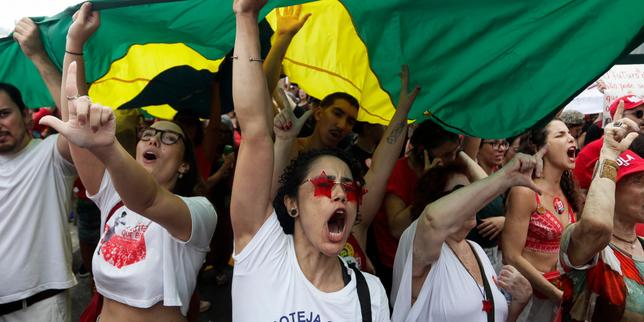
Massive rallies across major urban hubs served three distinct functions:
- Creating Visual Authority: Photographs of packed avenues flooded television broadcasts and newspaper covers, directly challenging the narrative of rival dominance.
- Re-energizing the Base: Direct contact with voters converted passive supporters into active campaign volunteers.
- Generating Organic Content: Every rally provided thousands of attendees with raw, authentic video footage to share across their own personal feeds.
Street marches weren't just old-school political theater. They were the primary content engine powering the online war.
Breaking the Algorithmic Barrier
For years, conservative networks in Brazil outpaced the left in algorithmic engagement. To counter this deficit, Lula's campaign didn't rely solely on official party broadcasts. They empowered a decentralized network of student activists, independent creators, and grass-roots WhatsApp channel admins.
Instead of polished political ads, the campaign flooded platforms with bite-sized, highly shareable video content. Short-form clips on TikTok and Instagram highlighted everyday economic issues—inflation, food prices, and employment—framing the election around personal livelihoods rather than abstract political doctrine.
This decentralized approach bypassed traditional digital chokepoints. When platform algorithms favored high-velocity, controversial posts, Lula's supporter network responded by generating continuous, high-volume interaction that forced their messages into main trending feeds.
Key Takeaways for Modern Campaigns
Political battles are no longer won in single arenas. Relying purely on digital ads leaves candidates vulnerable to algorithmic shifts, while relying strictly on traditional rallies limits reach.
- Build hybrid feedback loops: Ensure physical events are structured specifically to generate high-volume, user-generated digital content.
- Decentralize content creation: Official messaging is often ignored; empowered grassroots networks move faster and feel more authentic to voters.
- Focus on material concerns: Complex political rhetoric rarely wins tight runoffs; grounding arguments in daily economic reality mobilizes undecided voters.
To understand how these dynamics play out visually on the ground, watching actual rally footage and digital strategy breakdowns offers clear insight into modern campaign mechanics.
To dive deeper into the tactical side of political mobilization and digital media, check out The Guardian's detailed coverage on Brazil's election comeback, which explores how grassroots student networks and WhatsApp channels reshaped voter sentiment.