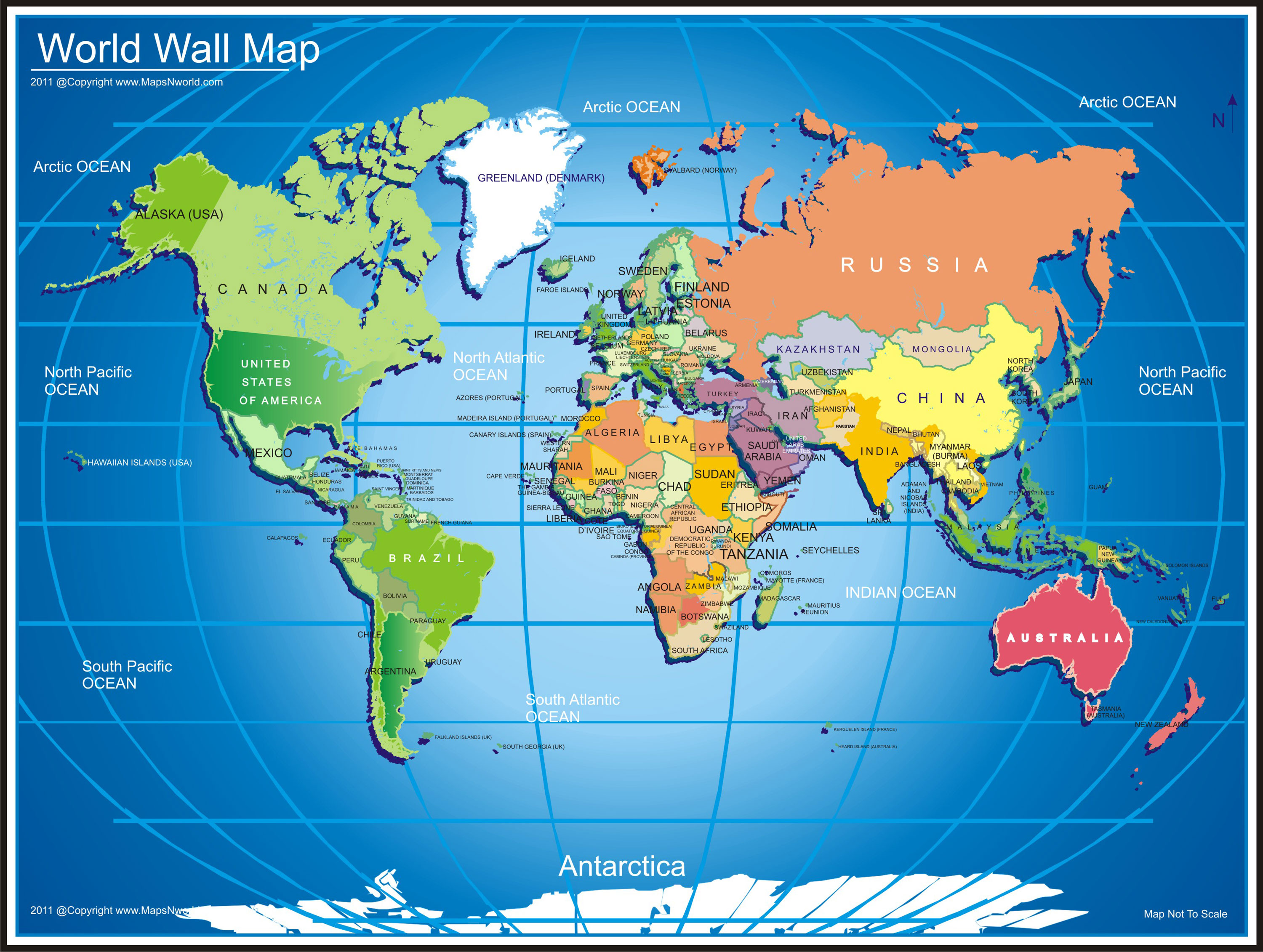
Global power distribution operates through dual architectural pillars: Washington commands the mechanisms of international monetary settlement, anchored by dollar-denominated clearing networks, while Beijing controls critical industrial processing nodes, including rare earth elements and specialized chemical inputs. Contemporary conflicts function as stress tests for these complementary spheres of influence. When kinetic operations disrupt vital energy corridors, the secondary shockwaves reveal the operational limits of financial coercion. Rather than participating directly in localized military escalations, external actors optimize structural positioning by absorbing discounted commodity flows while insulating domestic financial institutions from direct exposure to secondary sanctions.
The cost function of unilateral economic warfare involves a direct trade-off between penalizing targeted jurisdictions and preserving the structural integrity of the reserve currency system. To enforce total financial isolation on a major resource exporter, regulatory authorities must sever secondary economic partners from access to dollar clearing facilities. When those partners occupy indispensable positions in global manufacturing and hold substantial sovereign debt reserves, executing such measures risks accelerating alternative settlement architectures. This dynamic creates a distinct strategic constraint. Financial penalties targeting systemic trading entities generate immediate incentives for bilateral clearing mechanisms outside Western jurisdiction, gradually eroding the transaction volume that underpins global monetary hegemony.
Sourcing strategies for energy and industrial inputs undergo rapid bifurcation during protracted regional conflicts. Importers exposed to maritime choke-point vulnerabilities systematically diversify procurement channels toward overland pipeline networks and domestic reserves. This structural shift reduces long-term dependency on maritime transport lanes while altering long-term volumetric projections for liquefied natural gas and crude imports. Concurrently, states facing severe external pressures rely on institutional intermediaries to maintain export capacities, transforming bilateral trade into a controlled conduit for non-dollar resource exchange.
The deliberate avoidance of systemic banking sanctions during periods of acute escalation highlights the operational calculus governing great power competition. Policymakers balance the immediate objective of diplomatic signaling against the risk of triggering immediate retaliatory controls on critical material exports, such as refined rare earth minerals. Consequently, regulatory enforcement tends to focus on peripheral entities while sparing core financial institutions, reflecting an implicit recognition of mutual economic vulnerability.
To navigate this fragmented operating environment, multinational enterprises and state planners must model exposure not merely through traditional direct-compliance frameworks, but by accounting for the systemic drift toward multi-currency invoicing systems and localized payment bypass networks. Reallocate capital reserves away from single-jurisdiction clearing dependencies and establish redundant supply chains that account for permanent friction in maritime trade chokepoints.
China Responds to US Sanctions: "Illegal" Threat Over Iran Trade Branded Operation Economic Outcast
This video provides direct context on how Beijing officially frames and responds to Washington's secondary sanctions regarding energy trade.
http://googleusercontent.com/youtube_content/1



