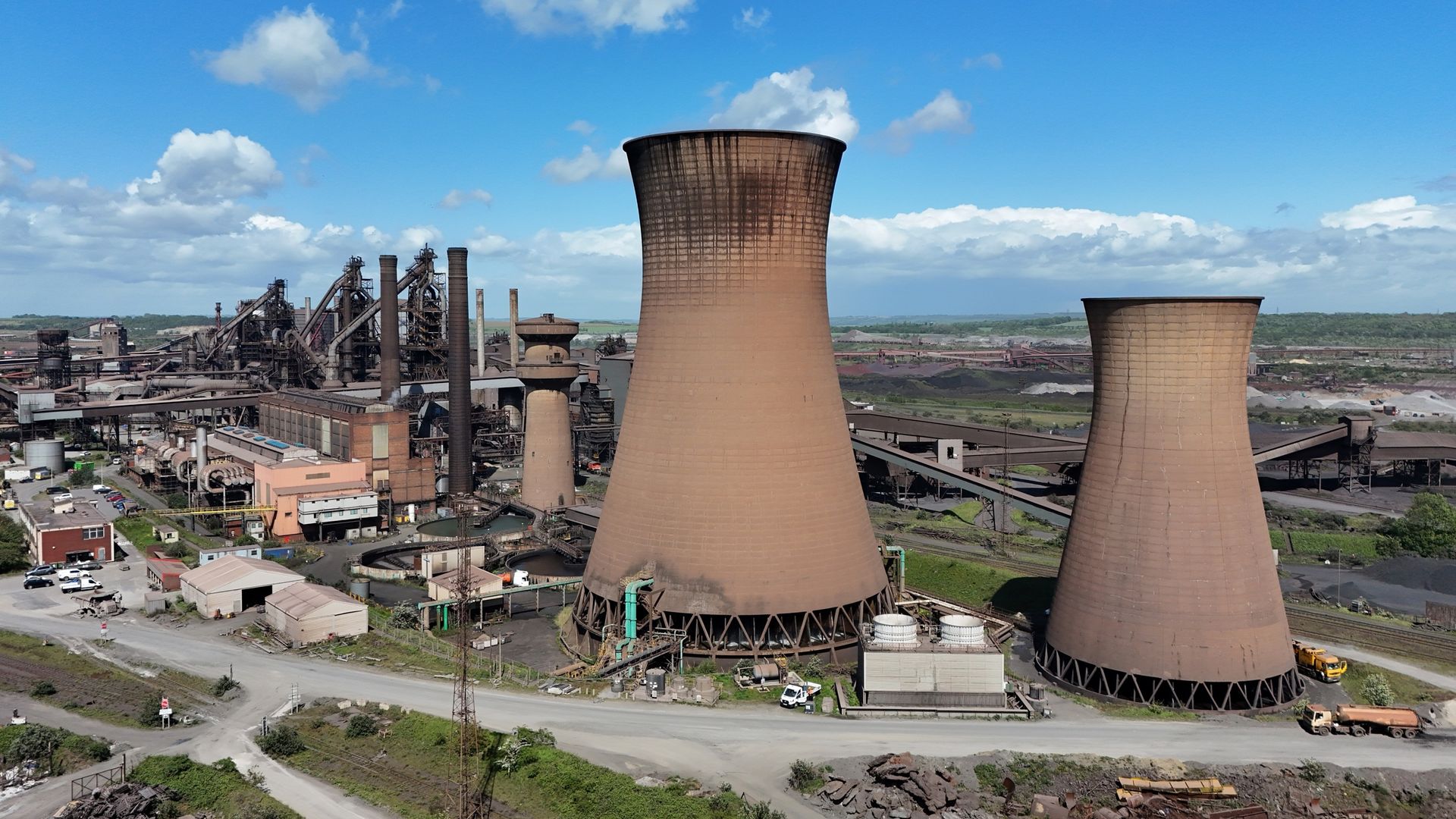
State intervention in heavy manufacturing creates an immediate fiscal friction point between national sovereignty and baseline microeconomic viability. When the United Kingdom brought British Steel onto the public balance sheet following operational collapse and international trade shocks, it inherited a daily cash drain exceeding one million pounds. Scrutiny from the Public Accounts Committee reveals that hundreds of millions in public capital have been injected without an articulated framework for long-term operational sustainability. To understand why this asset remains structurally unprofitable, one must deconstruct the underlying cost mechanics, operational legacy constraints, and macroeconomic asymmetries governing primary steel production.
The Cost Structure of Blast Furnace Production
Primary steelmaking via traditional blast furnaces operates on high fixed-cost economics. Unlike electric arc furnaces that recycle scrap metal with variable energy inputs, integrated steelworks require continuous thermal operation. Shutting down a blast furnace is chemically and structurally catastrophic; keeping it running incurs relentless baseline expenditures regardless of market demand.
The primary cost drivers break down into three distinct operational variables:
- Raw Material Volatility: Sourcing coking coal and iron ore exposes production margins to international supply chain fluctuations, exacerbated by domestic geographic isolation from high-grade deposits.
- Energy Intensity: Heavy industry requires massive, continuous power inputs. High domestic energy tariffs relative to continental or Asian competitors place an immediate structural disadvantage on production units.
- Capital Depreciation: Decades of deferred maintenance and asset sweating mean that physical plants require massive capital expenditure merely to maintain baseline operational efficiency, let alone compete with modern global facilities.
When these fixed and variable costs intersect with a depressed global pricing environment driven by oversupply, the gross margin turns negative before administrative or debt-servicing overheads are even calculated. The enterprise is fundamentally incapable of generating positive cash flow under current market conditions.
The Strategic Dilemma of Nationalized Industrial Capacity
Public ownership of critical manufacturing infrastructure alters the traditional risk-reward matrix. Private entities liquidate or restructure assets when economic returns fall below the cost of capital. A sovereign state, conversely, evaluates industrial assets through a geopolitical lens, factoring in defense supply chains, regional employment numbers, and the systemic risk of total domestic de-industrialization.
This divergence creates a persistent moral hazard loop. If the market knows the state views an asset as too vital to fail, operational discipline degrades. Management and labor lack the structural impetus to negotiate necessary concessions because the ultimate downside risk—liquidation—is removed by government intervention.
The intervention in Scunthorpe bought temporal runway, but time is an expense rather than a solution unless paired with a profound technological or operational pivot. Pumping operating cash into a structurally obsolete cost model merely subsidizes inefficiency.
Macroeconomic Asymmetries and Global Competition
The core driver of the British Steel deficit is not localized administrative mismanagement, but a broader structural mismatch between domestic cost environments and global trade realities.
- Regulatory Compliance Costs: Stringent environmental mandates and decarbonization targets impose direct capital expenditures on domestic producers that international competitors operating in less-regulated jurisdictions do not face.
- Global Overcapacity: Massive state-backed production output from major Asian manufacturing hubs depresses international spot prices, forcing high-cost European producers into a persistent margin squeeze.
- Trade Policy Friction: The imposition of protective tariffs by external trading partners creates retaliatory export barriers, shrinking the addressable market for domestic output while failing to protect domestic downstream consumers from cheaper imports.
These forces combine to create a negative feedback loop: lower output volume increases per-unit production costs, which widens the operating loss, requiring larger public subsidies just to maintain status quo operations.
Capital Allocation and Transition Pathways
Resolving a chronic cash drain requires abandoning the premise that traditional blast furnace operations can be restored to profitability through incremental cost-cutting. The structural deficit is too deep for marginal efficiencies.
Management face a binary strategic fork: transition the asset base entirely away from primary ore processing toward green electric arc furnace technology utilizing domestic scrap, or systematically wind down operations while managing the regional economic fallout. Electric arc technology reduces capital intensity, lowers carbon compliance exposure, and provides demand-responsive production flexibility that rigid blast furnaces lack.
Execute a comprehensive capital expenditure audit to separate sunk asset maintenance from future-viable infrastructure, tie any further public capital injection strictly to milestones in decarbonization technology migration, and decouple regional employment support from the economic defense of obsolete production methods.


