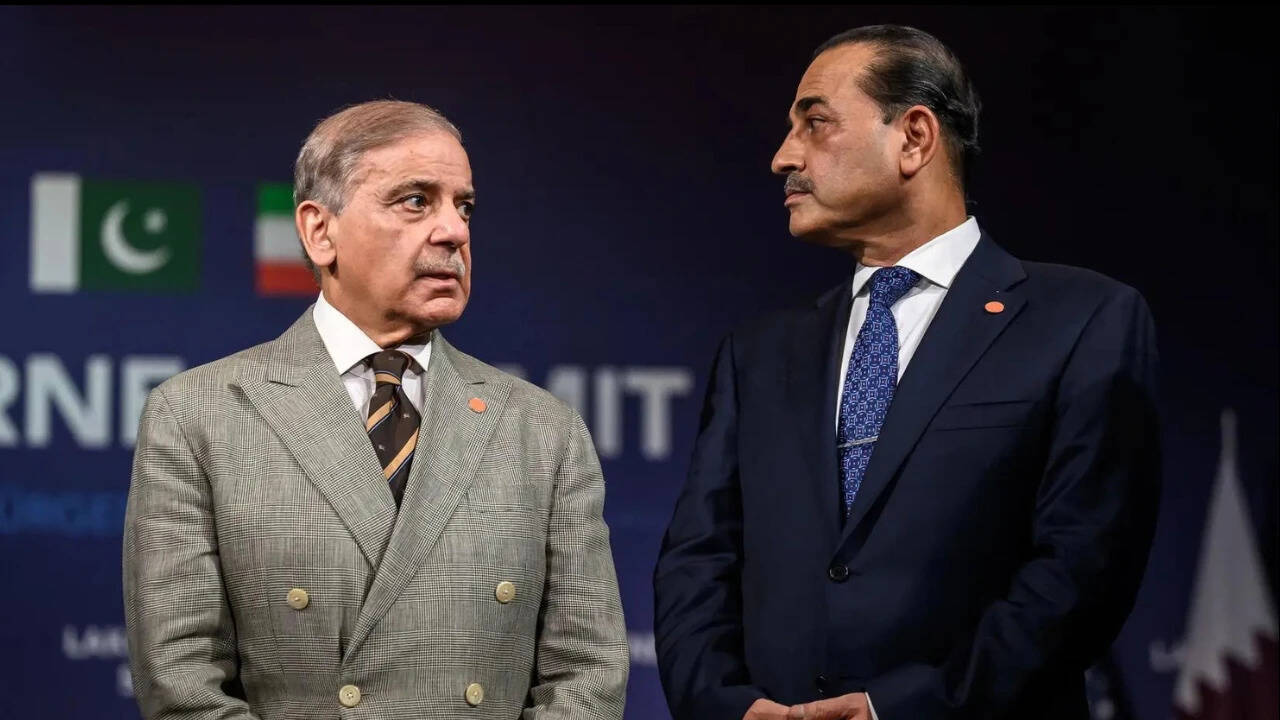
The operationalization of the Makkah Joint Defence Agreement exposes a structural shift in South Asian civil-military relations. When Field Marshal Asim Munir expanded military asset deployments to Saudi Arabia—anchored by approximately 8,000 ground personnel, a squadron of JF-17 Thunder multirole fighters, and integrated air defense infrastructure at King Abdulaziz Air Base—the execution bypassed traditional legislative friction. This maneuver highlights a recurring institutional dynamic in Islamabad: strategic foreign policy execution managed exclusively by the General Headquarters (GHQ) while civilian leadership retains nominal administrative oversight.
Understanding this development requires moving past diplomatic communiqués to examine the strategic calculus, financial incentives, and systemic vulnerabilities shaping the trilateral axis between Riyadh, Islamabad, and Ankara.
The Financial-Security Vector
The deployment cannot be evaluated purely through a security lens; it operates as an interdependent economic transaction. Pakistan’s foreign exchange reserves and macroeconomic stability remain structurally fragile. Saudi financial backing—typified by repeated multi-billion dollar debt rollovers and central bank deposits—functions as a vital fiscal cushion for Islamabad.
The security arrangement operates on a clear quid pro quo:
- Capital and balance-of-payments relief provided by Riyadh.
- Professional expeditionary military capability, tactical air cover, and technical defense management provided by Pakistan.
- Defense-industrial integration and drone-manufacturing supply chains provided by Turkey.
This tripartite framework allows Saudi Arabia to diversify its security dependency away from Western partners whose political conditions often complicate long-term defense planning. For Pakistan, dispatching assets to the Gulf generates reliable hard-currency inflows and shores up bilateral economic accords signed under the Strategic Mutual Defence Agreement.
Operational Realities and the Cost Function of Collective Deterrence
Under the terms of the Makkah Pact, an attack on one signatory constitutes an attack on all three. However, the operational cost function for Pakistan diverges sharply from that of Turkey or Saudi Arabia.
When regional flashpoints—such as cross-border engagements involving Houthi drone and missile strikes—threaten Saudi critical infrastructure, the deployed Pakistani air and ground units face immediate operational exposure. This transforms Pakistan's military apparatus from a strictly national defense force into an expeditionary component of Gulf security architecture.
The strategic risk for Islamabad lies in strategic overextension:
- Geographic Contradiction: Pakistan shares an extensive, volatile border with Iran. Deepening military integration with Riyadh while managing diplomatic signaling with Tehran creates severe friction, necessitating delicate backchannel negotiations to prevent western border destabilization.
- Domestic Social Friction: Pakistan houses a substantial Shia demographic. Overt alignment in active regional conflicts against actors aligned with Tehran carries domestic sectarian externalities that the civilian government is ill-equipped to manage.
- Force Readiness: Committing high-value assets—specifically multirole aircraft and specialized air-defense batteries—to an external theater strains internal operational readiness profiles at a time when Islamabad faces persistent insurgent threats along its domestic frontiers.
Institutional Bypass and Decision-Making Autonomy
The speed at which the Makkah Pact moved from bilateral foundations in September 2025 to full trilateral ratification in November 2026 demonstrates the absolute primacy of the military establishment in defining national security parameters.
While the Ministry of Foreign Affairs and the federal cabinet formally ratified the text to satisfy legal requirements, the operational implementation was driven directly by military leadership. The absence of substantive parliamentary debate underscores a persistent systemic reality: strategic decisions involving foreign troop deployments are insulated from legislative scrutiny. Prime Minister Shehbaz Sharif’s administration remains constrained by macroeconomic realities that make rejecting Saudi security requests economically unviable.
Strategic Forecast
The Makkah pact establishes a formal regional security bloc independent of traditional Western command structures. However, its long-term viability depends on the precise calibration of deterrence thresholds. If kinetic engagements in the Gulf escalate, Islamabad will face mounting pressure to transition from static defense and air-policing to offensive deterrence operations.
The institutional precedent set by this deployment confirms that Pakistan's foreign policy parameters will continue to be dictated by military necessity rather than parliamentary consensus, cementing a security-first doctrine designed to extract maximum financial support from the Gulf while absorbing the inherent geopolitical blowback.