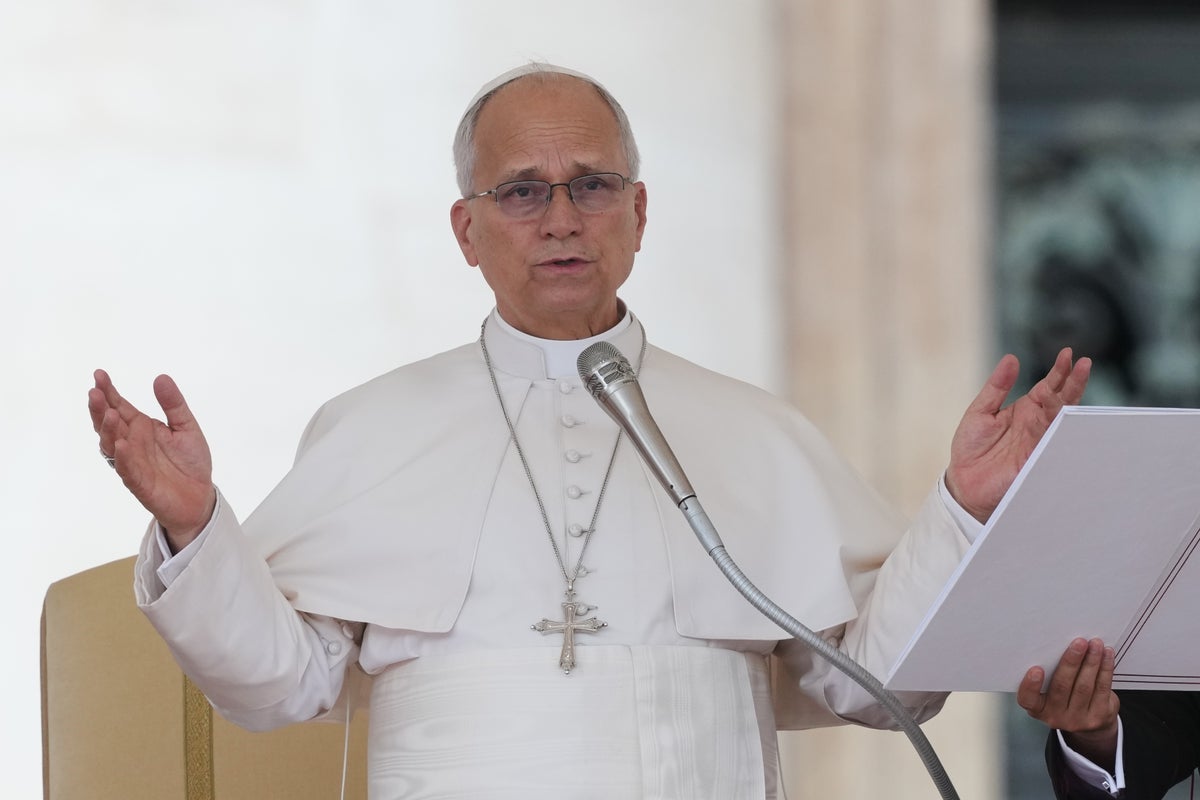
Commemorative milestones function as institutional stress-tests for international security architecture. Twenty-five years after the September 11 attacks, the structural variables governing global conflict and state security have shifted from asymmetric non-state actors back toward systemic state competition and economic polarization. When Pope Leo XIV addressed the twenty-fifth anniversary from St. Peter's Square, his framing moved past mere sentimentality to isolate the underlying variables that sustain global friction: structural poverty and systemic injustice. Analyzing this intervention requires stripping away rhetorical veneer to examine the mechanics of peace as an economic and structural asset rather than a passive moral ideal.
The Cost Function of Global Instability
Security analysts frequently miscalculate the variables of modern conflict by treating violence as an isolated anomaly rather than a continuous cost function. Sustained geopolitical friction operates on a compounding deficit model:
- Resource Depletion: Capital diverted from developmental infrastructure toward militarization reduces long-term global growth yields.
- Institutional Decay: Protracted states of emergency erode international norms, degrading the predictive capability of diplomatic frameworks.
- Human Capital Erosion: Long-term displacement and systemic deprivation create recurring generations of disenfranchised populations, directly feeding the recruitment loops of extremist networks.
The twenty-five-year retrospective of post-9/11 security policy demonstrates that physical fortification without systemic economic adjustment yields diminishing marginal returns. The expenditure on counter-terrorism architecture outpaced investments in foundational stabilization, creating a permanent imbalance in global risk management.
The Mechanics of Disarmament and Mutual Trust
Institutional stability cannot rely indefinitely on deterrence models rooted in symmetric capability or nuclear parity. Following the analytical tradition established by mid-century frameworks like John XXIII's Pacem in Terris, durable security requires replacing the mechanics of fear with structural interdependence.
The primary friction points in modern statecraft stem from three systemic failures:
- Asymmetric Economic Enfranchisement: Markets that exclude sub-segments of populations from baseline subsistence generate endogenous instability that cannot be suppressed by police action alone.
- Information Opacity: Lack of transparent communication channels between competing power blocs increases the probability of catastrophic miscalculation during localized crises.
- Institutional Inertia: Legacy international governance bodies designed in the mid-twentieth century fail to allocate sufficient voting power or economic agency to emerging regional actors.
Strategic Allocation for Long-Term Stabilization
To transition from crisis management to structural peace, international policymakers must re-engineer resource allocation models. The implementation of an "unarmed and disarming" policy framework requires measurable institutional adjustments:
- Capital Redirection: Shift a fixed percentage of sovereign security budgets toward infrastructure and educational development in fragile states to neutralize the foundational drivers of radicalization.
- Verification Protocols: Upgrade diplomatic communication rails with real-time verification technology to minimize the window for military escalation based on faulty telemetry or intelligence.
- Decentralized Governance: Empower regional coalitions to manage local disputes before they require intervention by superpower blocs, thereby reducing systemic contagion risks.
The longevity of international stability depends entirely on abandoning reactive crisis containment in favor of preventative economic architecture. Memory without systemic structural reform merely documents decline; targeted resource allocation remains the only viable hedge against systemic collapse.
Pope Leo XIV prays for victims of 9/11 attacks and for peace
This video provides primary footage and coverage of the papal address commemorating the twenty-fifth anniversary of the 9/11 attacks and the call for international peace.