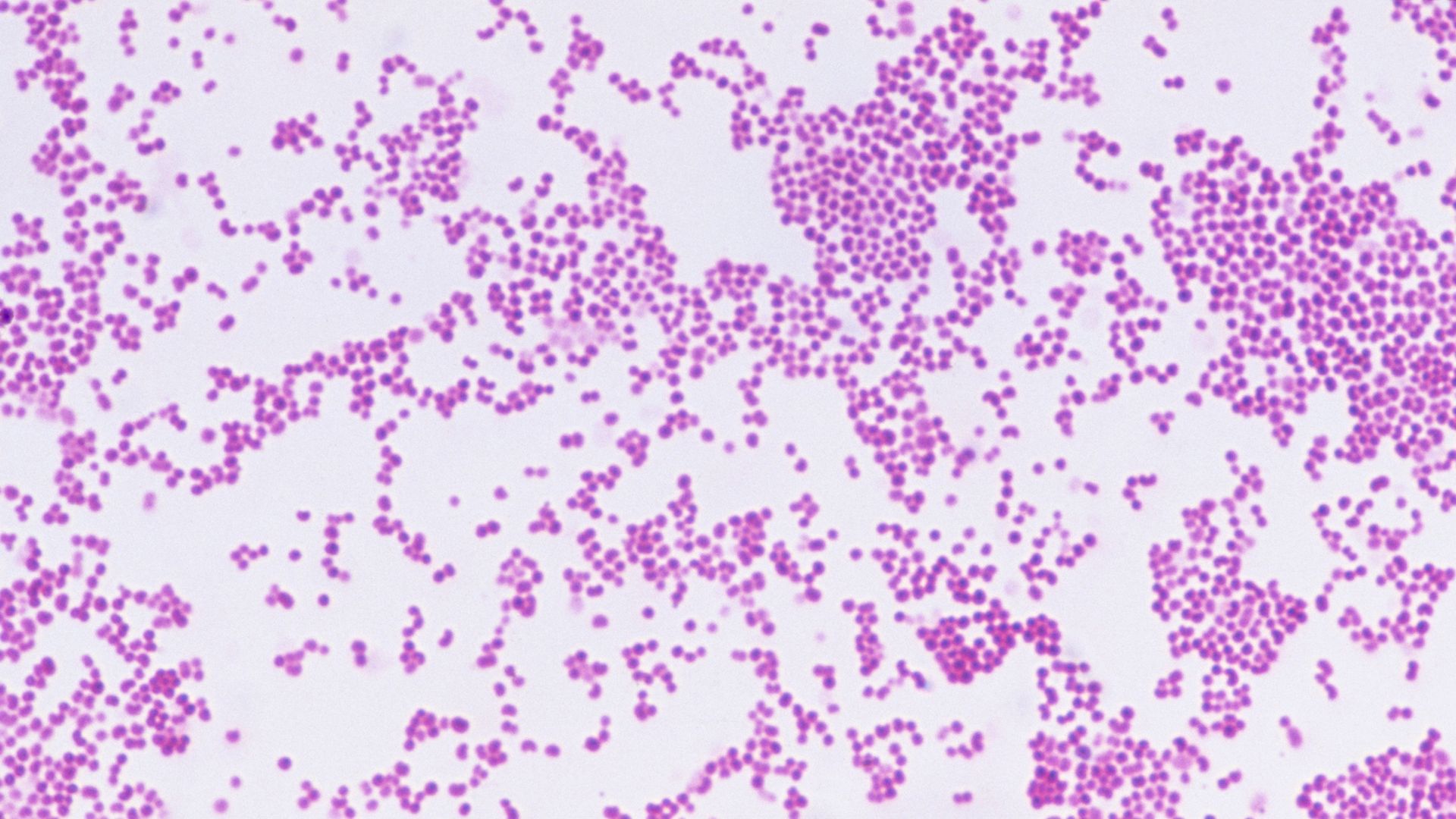
The recent cluster of meningitis cases in Kent serves as a biological stress test for public health infrastructure, revealing a specific vulnerability in the 18-to-24-year-old demographic. This cohort represents a high-risk intersection of physiological susceptibility and social density. To treat these outbreaks as "cruel reminders" is a failure of analytical rigor; they are, in fact, the predictable result of declining vaccine uptake, the biological window of colonization, and the unique environmental stressors found in higher education and communal living settings.
Understanding the trajectory of an outbreak requires a deconstruction of the meningococcal transmission cycle. Neisseria meningitidis, the bacterium responsible, is not a resilient environmental pathogen; it requires direct human-to-human contact via respiratory droplets or throat secretions. The efficiency of this transmission is dictated by three primary variables: the prevalence of asymptomatic carriage, the density of the social network, and the specific serogroup virulence.
The Asymptomatic Carriage Reservoir
The primary driver of any outbreak is the hidden reservoir of asymptomatic carriers. In the general population, carriage rates of Neisseria meningitidis hover around 10%. In the targeted youth demographic, particularly within the first six months of university residence, this figure can spike to 25% or higher.
The bacterium colonizes the nasopharynx without causing disease in the vast majority of hosts. However, the "carrier-to-case" ratio shifts based on the introduction of hyper-virulent strains or the degradation of host immunity. When a new strain enters a high-density environment—such as a dormitory or a crowded social venue—the rate of acquisition accelerates. The risk of invasive disease is highest in the days immediately following the acquisition of a new strain, before the host has developed a mucosal immune response.
The Triple-Threat Vulnerability Framework
The susceptibility of young adults is not a random occurrence but a product of three converging factors:
- Immunological Gaps: The efficacy of childhood vaccinations, specifically the MenACWY conjugate vaccine, wanes over time. If a booster is not administered during the late teenage years, the individual enters a period of high social exposure with a declining antibody titer.
- Environmental Density: Shared living spaces create a "closed-loop" transmission environment. Factors such as shared utensils, proximity in sleeping quarters, and poorly ventilated social spaces lower the threshold for successful droplet transmission.
- Physiological Stressors: High-intensity academic periods, sleep deprivation, and the use of tobacco or alcohol can compromise the mucosal lining of the throat. This physical degradation provides the bacterium with an easier pathway to breach the bloodstream, transitioning from harmless colonization to life-threatening invasive meningococcal disease (IMD).
The Pathophysiology of Rapid Escalation
The progression from the first non-specific symptom to multi-organ failure can occur in under 24 hours. This compressed timeline creates a diagnostic bottleneck. Early symptoms—fever, headache, and irritability—are indistinguishable from common viral infections like influenza or glandular fever.
The mechanism of injury in meningitis is driven by endotoxin release. As the bacteria multiply in the bloodstream, they shed fragments of their outer membrane (lipopolysaccharides). These endotoxins trigger a massive inflammatory response, leading to:
- Systemic Vasculitis: Inflammation of the blood vessels, causing the characteristic non-blanching purpuric rash.
- Disseminated Intravascular Coagulation (DIC): A breakdown in the body's clotting mechanism, leading to internal bleeding and tissue necrosis.
- Cerebral Edema: Swelling of the brain tissue within the rigid structure of the skull, leading to neurological deficit or death.
The presence of the "glass test" rash is often a late-stage indicator. Relying on this symptom for diagnosis is a reactive strategy that significantly increases mortality risk. Strategic intervention must shift toward identifying the "red flag" cluster of neck stiffness, photophobia, and altered mental status before the onset of septicemic shock.
Failure Modes in Public Health Communication
The Kent outbreak highlights a significant disconnect between clinical risk and public perception. There are five distinct serogroups (A, B, C, W, and Y) that cause the majority of disease. While the MenACWY vaccine has been integrated into many school-age programs, it does not cover Serogroup B.
Meningitis B remains the leading cause of invasive disease in the UK. Many students and parents operate under a "false sense of security" bias, believing that the standard school-age vaccinations provide comprehensive coverage. This creates a psychological barrier to seeking immediate care, as the individual assumes they are biologically immune to the pathogen.
Furthermore, the "social stigma" of illness in a new environment prevents early reporting. Students in the first weeks of university are less likely to seek medical attention for "flu-like" symptoms to avoid missing social integration opportunities, thereby extending the window of transmission within the community.
Quantifying the Economic and Social Burden
The cost of a localized outbreak extends far beyond the immediate clinical treatment. An analytical assessment of the burden must include:
- Prophylactic Costs: The immediate administration of antibiotics (typically ciprofloxacin or rifampicin) to all close contacts of the index case.
- Surveillance Overheads: Increased laboratory testing and genomic sequencing to identify the specific strain and its antibiotic sensitivity.
- Long-term Morbidity: Approximately 10% to 20% of survivors experience permanent sequelae, including limb loss, hearing impairment, and cognitive deficits. The longitudinal cost of care for these individuals represents a significant state liability.
The Mechanism of Herd Immunity Degradation
Herd immunity for meningitis is primarily achieved through the reduction of carriage. If a sufficient percentage of the population is vaccinated with conjugate vaccines, the prevalence of the bacteria in the nasopharynx of the entire community drops, protecting even those who are unvaccinated.
However, herd immunity is a fragile state. When vaccination rates dip below the critical threshold—often cited as 80-85% for high-density settings—the "shielding" effect collapses. The Kent outbreak should be analyzed as a symptom of this threshold being breached. The decline in routine immunizations during recent global health disruptions has created "immunity gaps" in specific age cohorts that are now entering the period of peak social density.
Diagnostic Advancement and the "Gold Standard" Fallacy
Historically, the gold standard for diagnosis has been the culture of N. meningitidis from blood or cerebrospinal fluid (CSF). However, the sensitivity of culture-based methods is severely limited if antibiotics have already been administered.
Modern protocols must prioritize Polymerase Chain Reaction (PCR) testing, which detects bacterial DNA. PCR is faster and remains effective even after the start of treatment. The bottleneck is no longer the technology, but the speed of sample acquisition. Every hour of delay in the administration of parenteral penicillin or ceftriaxone increases the probability of a fatal outcome by an estimated 7% to 10%.
Strategic Resource Allocation for Containment
To mitigate future clusters, the strategy must move from reactive crisis management to proactive risk layering.
Level 1: Immunological Fortification
Institutions must mandate or highly incentivize the "Freshers' Booster." This involves ensuring that incoming students are not only up to date with MenACWY but are also educated on the availability of the MenB vaccine, which is currently not part of the standard adolescent program in all regions.
Level 2: Environmental Surveillance
Implementing wastewater testing in high-density student accommodations can serve as an early warning system. While still an emerging field for bacterial pathogens compared to viral ones (like COVID-19 or Polio), the detection of specific meningococcal DNA signatures could trigger localized screening before the first clinical case emerges.
Level 3: Peer-Led Triage Networks
Since roommates are the first to observe the onset of symptoms, training resident assistants and student leaders in "high-acuity" identification is more effective than top-down health posters. The focus must be on the "lethargy and light sensitivity" phase rather than the "rash" phase.
Operationalizing the Response
The containment of the Kent outbreak relies on the rapid deployment of the "Ring Prophylaxis" model. This involves identifying the primary social circles of the infected individuals and administering a single dose of antibiotics to clear carriage within that specific sub-network. This stops the "leap-frogging" of the bacteria from one household to another.
The success of this intervention is measured by the "Serial Interval"—the time between the onset of symptoms in the first case and the onset in the second case. A shrinking serial interval indicates a failure of containment; a lengthening one indicates the network-level intervention is working.
Immediate institutional action requires the bypass of standard appointment-based triage. During a confirmed cluster, any student presenting with a fever and any one neurological symptom (photophobia, neck stiffness, or confusion) must be treated as a medical emergency. The priority is the administration of intravenous antibiotics first, and definitive diagnostic imaging or lumbar puncture second. In the context of Neisseria meningitidis, the clinical window for intervention is too narrow to permit a "wait and see" approach.
The strategy for the next 18 months must be a targeted audit of vaccination records for all individuals entering high-density living environments, coupled with a standardized protocol for PCR-based rapid testing at the primary care level. Failure to close the immunity gap in the 18-to-24 demographic will result in the periodic recurrence of these clusters as new, highly-mobile cohorts replace those who have developed natural or vaccine-induced immunity.